Waking up to the aroma of freshly brewed coffee is one of life’s simple pleasures, but who has time for a full pot every morning? If you’re seeking a quick, convenient, and perfectly portioned cup of joe, a single-serve coffee maker is your answer. These compact powerhouses have revolutionized how we enjoy coffee at home, offering speed, variety, and minimal fuss. Whether you’re a busy professional, live in a small household, or simply love exploring different coffee flavors, finding the right single-serve machine can elevate your daily ritual. This comprehensive guide will walk you through everything you need to know, from understanding the various types to essential buying factors, maintenance tips, and common troubleshooting solutions, ensuring you make the best choice for your caffeine cravings.
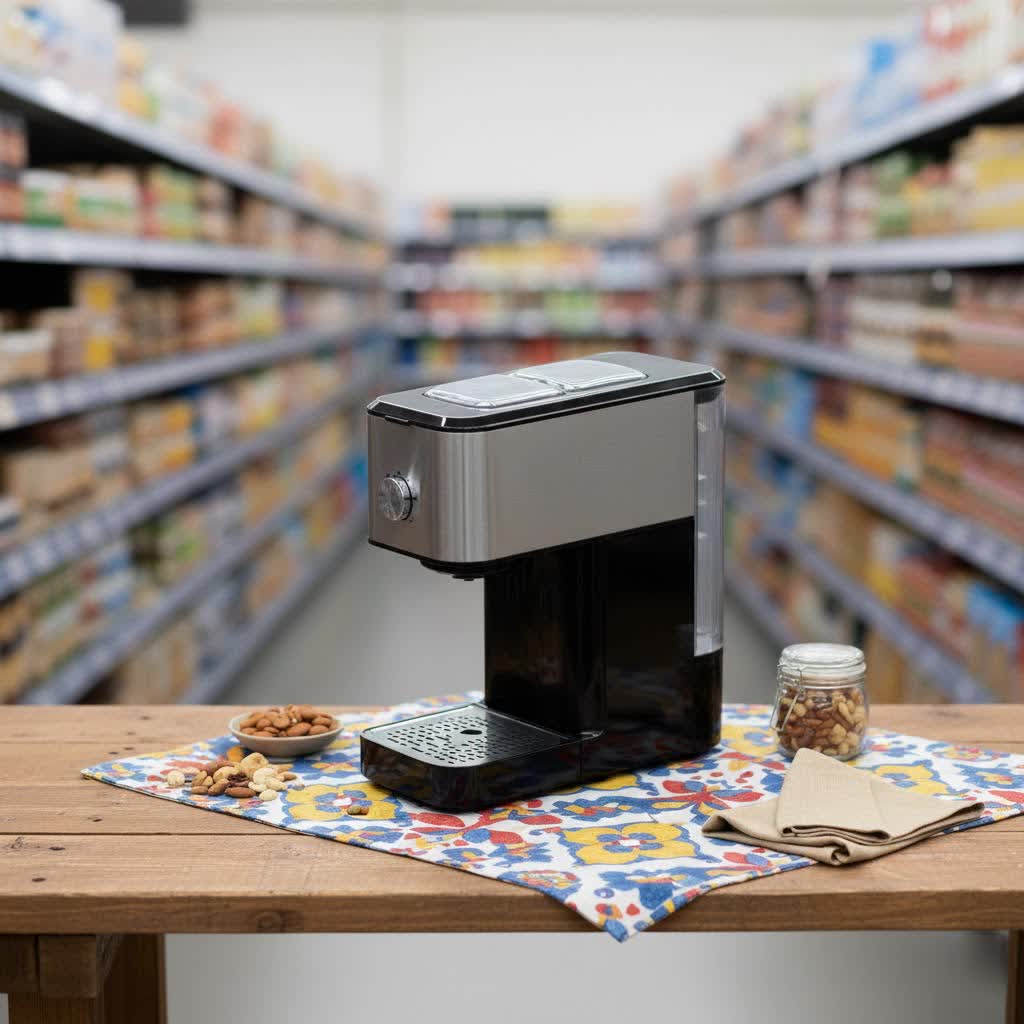
Popular Types of Single Serve Coffee Makers
The world of single serve coffee makers is diverse, catering to every preference and lifestyle. Understanding the main categories is the first step to finding your perfect brew.
-
Pod-Based Systems (K-Cup & Nespresso): These are arguably the most popular, renowned for their unparalleled convenience. You simply insert a pre-filled pod or capsule and press a button.
- K-Cup Compatible Machines: Widely available and offer an enormous variety of coffee, tea, and even hot chocolate flavors from numerous brands. They are known for their ease of use and speed.
- Nespresso Pod Machines: Designed for espresso-style beverages, focusing on premium coffee and producing a rich crema. Nespresso has two main lines: OriginalLine for traditional espresso and Vertuo for both espresso and larger coffee sizes.
- Proprietary Pod Systems: Some brands have exclusive pod formats, which can limit third-party options.
- Pros: Ultimate convenience, vast flavor selection (K-Cup), consistent results, minimal cleanup.
- Cons: Higher cost per cup, environmental concerns with single-use plastic/aluminum pods, taste might not satisfy purists.
- Best for: Those prioritizing speed, variety, and hassle-free brewing.
-
Grounds-Based Single Serve Brewers: These machines allow you to use your own freshly ground coffee, often with a reusable filter basket.
- Examples: Hamilton Beach The Scoop, certain Cuisinart models, Sboly, and Mixpresso offer options for ground coffee.
- Pros: More eco-friendly (reduces pod waste), cost-effective per cup, allows for personal choice of coffee beans and grind size, often produces a fresher taste.
- Cons: Requires a bit more effort (measuring grounds, cleaning reusable filter), can be slightly messier.
- Best for: Environmentally conscious users, those who prefer specific coffee blends, or want to save on per-cup costs.
-
Manual Single Serve Coffee Makers: For the coffee connoisseur who enjoys a more hands-on approach and full control over their brew.
- Pour-Over: (e.g., Kalita Wave, Chemex, Hario V60) Involves pouring hot water over ground coffee in a filter. Offers exceptional flavor clarity and customization.
- AeroPress: A versatile, portable device that uses immersion and pressure to brew coffee or espresso-style concentrates quickly. Known for its clean, low-acid brews.
- French Press: (e.g., Bodum Chambord) Coffee grounds steep in hot water, then a plunger separates the grounds. Produces a rich, full-bodied cup.
- Moka Pot: (e.g., Bialetti Moka Express) A stovetop brewer that makes strong, espresso-like coffee by passing boiling water pressurized by steam through ground coffee.
- Pros: Superior flavor control, portable (AeroPress), no electricity needed (most models), often more affordable upfront.
- Cons: Requires more time and technique, not as convenient for rushed mornings.
- Best for: Enthusiasts who value quality, control, and enjoy the brewing process as much as the drink itself.
-
Dual-Function / Combo Machines: Some innovative coffee makers offer the best of both worlds, capable of brewing both single-serve pods and ground coffee, or even a full carafe alongside single cups.
- Examples: Ninja Specialty Coffee Maker, Cuisinart Premium Single-Serve Coffeemaker.
- Pros: Unmatched versatility, caters to varied preferences within a household, saves counter space.
- Cons: Can be bulkier, sometimes more expensive.
- Best for: Households with diverse coffee drinking habits or those who entertain frequently.
How to Choose a Single Serve Coffee Maker: Key Factors to Consider
Selecting the ideal single serve coffee maker involves balancing your personal habits, desired features, and budget. Consider these factors to make an informed decision:
- Budget: Single serve coffee makers range from under $50 for basic models to several hundred dollars for feature-rich, premium machines. Determine how much you’re willing to invest, keeping in mind that pod-based systems have ongoing pod costs, while grounds-based machines require purchasing beans.
- Usage Needs:
- Number of Users: If you’re the only coffee drinker, a compact, single-serving reservoir might suffice. For multiple users or guests, a larger water reservoir (40-80 ounces) that minimizes frequent refilling is more convenient.
- Frequency: Daily users might prioritize durability and advanced features, while occasional drinkers might opt for simpler, more affordable models.
- Coffee Preference: Do you love espresso, a bold dark roast, a flavored brew, or specialty drinks? Ensure the machine supports your preferred coffee type and brewing style.
- Key Features:
- Pod Compatibility: This is crucial. Decide if you prefer K-Cups (for wide variety), Nespresso capsules (for espresso-style), a proprietary system, or the flexibility of reusable pods with your own ground coffee. Some machines offer multi-format brewing.
- Brew Size Options: Most machines offer brew sizes between 6-12 ounces. Look for models with options for espresso shots, larger travel mugs (up to 14-18 oz), or customizable pour volumes.
- Brew Strength Control: For those who like to adjust the intensity of their coffee, machines with strength control (mild, medium, bold, or “strong” brew settings) are invaluable.
- Water Reservoir Capacity: As discussed, larger reservoirs mean fewer refills. Removable reservoirs simplify refilling and cleaning.
- Programmable Settings: Features like auto-start timers allow you to wake up to a fresh cup, while auto-shutoff enhances safety and energy efficiency.
- Temperature Control: Some advanced models offer adjustable brewing temperatures for optimal extraction.
- Specialty Features: Built-in milk frothers are excellent for lattes and cappuccinos. An “iced coffee” function brews a stronger cup directly over ice to prevent dilution. Adjustable drip trays accommodate various mug sizes.
- Footprint: Consider your counter space. Compact designs like the Keurig K-Mini or Nespresso Essenza Mini are ideal for small kitchens or dorms.
- Connectivity: Some smart coffee makers offer app control, allowing you to start brewing from bed.
Comparing Popular Single Serve Coffee Makers
To illustrate the diversity, here’s a general comparison focusing on popular categories and features. Specific models will vary in price and exact capabilities.
| Feature | Pod-Based (e.g., Keurig K-Elite) | Pod-Based (e.g., Nespresso VertuoPlus) | Grounds-Based (e.g., Hamilton Beach The Scoop) | Dual-Function (e.g., Cuisinart Premium SS) | Manual (e.g., AeroPress) |
|---|---|---|---|---|---|
| Price Range | Mid-to-High | High | Low-to-Mid | Mid-to-High | Low |
| Coffee Type | K-Cups (coffee, tea, cocoa) | Nespresso capsules (espresso, coffee) | Ground coffee | K-Cups, Ground coffee | Ground coffee (coffee, espresso-style) |
| Brew Sizes | 4-12 oz (often with strong/iced options) | Espresso, Lungo, Coffee (up to 7.7 oz) | 8-14 oz (into cup/travel mug) | 4-10 oz (with reusable filter) | 1-3 cups (variable) |
| Reservoir Size | Large (e.g., 75 oz) | Mid-to-Large (e.g., 40 oz) | Single-serve (refill per cup) | Large (e.g., 72 oz) | No reservoir (add water per brew) |
| Speed | Fast (minutes) | Very Fast (15-20 seconds preheat) | Fast (minutes) | Fast (under 90 seconds preheat) | Fast (1-2 minutes) |
| Special Features | Iced, Strong brew, Hot water | Centrifusion, Barcode scanning | Brew directly into mug | Programmable, Charcoal filter, Reusable pod | Portable, Low acidity |
| Eco-Friendliness | Disposable pods (some reusable options) | Disposable pods (recyclable) | Reusable filter | Reusable pod option | Reusable parts |
| Ease of Cleaning | Low (descaling, needle cleaning) | Low (descaling, pod bin) | Medium (filter basket wash) | Medium (descaling, filter wash) | High (easy rinse) |
| Overall Rating | Good for convenience, variety | Excellent for espresso, quality | Great value, fresh grounds | Versatile, convenient | Excellent control, portability |
Note: Prices and features are illustrative and vary by specific model and year.
Tips for Using and Maintaining Your Single Serve Coffee Maker
Proper usage and regular maintenance are crucial for ensuring the longevity of your machine and the consistent quality of your coffee.
-
Daily Care:
- Empty and Refill Reservoir: If your machine has a reservoir, empty any leftover water daily and refill it with fresh, filtered water. Stale water can affect taste and promote bacterial growth.
- Rinse Removable Parts: After each use, rinse the drip tray and any reusable filter baskets with warm, soapy water. Some components may be dishwasher-safe.
- Wipe Down Exterior: Keep the exterior clean with a damp microfiber cloth to prevent dust and spills from accumulating.
- Let It Air Out: Leave the lid open after brewing to allow the interior to dry and prevent mold/mildew buildup.
-
Descaling (Deep Cleaning): Mineral deposits (limescale) from water build up inside the machine over time, impacting performance and taste. Descaling is essential, typically every 3-6 months, or more frequently if you have hard water.
- Method:
- Empty the water reservoir.
- For a common method, fill the reservoir with a mixture of equal parts white vinegar and water (e.g., 4 cups vinegar, 2 cups water for a large reservoir).
- Run several brew cycles without a coffee pod/grounds until the reservoir is empty.
- Let the machine sit for a few hours (or as per manufacturer’s instructions).
- Rinse the reservoir and fill it with plain, fresh water.
- Run several more cycles with plain water to flush out any vinegar residue. Repeat until no vinegar taste or smell remains.
- Commercial Descalers: Follow manufacturer instructions for specialized descaling solutions, which can be effective and some are non-toxic.
- Signs you need to descale: Longer brew times, reduced coffee volume, lukewarm coffee, unusual noises, visible mineral buildup, or a change in coffee taste.
- Method:
-
Cleaning Needles/Brew Head (for Pod Machines): Pod-based machines have needles that puncture the pods, which can get clogged with coffee grounds or oils.
- Method: Unplug the machine. Carefully remove the pod holder. Use a straightened paperclip to gently clear any clogs in the upper and lower needles. Run a few water-only rinse cycles afterward.
Common Problems and How to Fix Them
Even the most reliable single-serve coffee makers can encounter issues. Here are some common problems and straightforward solutions:
- No or Slow Water Flow:
- Cause: Misplaced water tank, air suction, or mineral buildup.
- Fix: Ensure the water tank is correctly seated. Try flushing the machine with hot water to clear airlocks. If it’s limescale, perform a descaling cycle.
- Leaking Coffee Machine:
- Cause: Misaligned drip tray or water tank, worn seals/valves, or clogged water pipes due to calcium buildup.
- Fix: Check that all removable parts are securely in place. Replace worn seals if necessary. Descale the machine to clear internal clogs.
- Coffee Tastes Bad (Bitter, Weak, or Flat):
- Cause: Old or low-quality coffee beans/pods, tap water with high mineral content, or internal residues.
- Fix: Use fresh, high-quality coffee. Switch to filtered or distilled water. Clean your machine regularly, especially the filter basket and brew path.
- Machine Makes Unusual Noises:
- Cause: Low water in the reservoir, machine placed on an uneven or hard surface (causing vibrations), or limescale buildup.
- Fix: Ensure the water tank is adequately filled. Reposition the machine on a stable surface. Descale the machine to address internal clogs or pump strain.
- Clogged Filter Basket (for Grounds-Based Machines):
- Cause: Buildup of coffee oils and fine grounds.
- Fix: Rinse the reusable filter thoroughly after each use. Periodically deep clean it by soaking in a water-and-vinegar mix or scrubbing with baking soda.
- All Lights Blinking / Machine Not Working:
- Cause: Lid not securely closed, water tank not properly placed, or severe internal scaling triggering a protection mechanism.
- Fix: Ensure the brewing lid is latched and the water tank is correctly seated. If scaling is the issue, you might need to perform a descaling cycle and potentially reset the machine (refer to your specific model’s manual for reset instructions, as some require holding specific buttons).
Coffee Recipes for Your Single Serve Machine
Your single-serve machine is perfect for whipping up delicious coffee drinks at home. Experiment with these simple recipes:
- Classic Single Shot Espresso (Nespresso):
- Brew an espresso capsule directly into a small cup. Enjoy as is, or add hot water for an Americano.
- Quick Latte:
- Brew a strong coffee pod (or an espresso shot) into your mug.
- Heat and froth milk using a separate frother, a steam wand (if your machine has one), or by shaking warm milk in a jar.
- Pour the frothed milk over your coffee. Add a touch of sweetener if desired.
- Iced Coffee:
- Choose a coffee pod designed for iced coffee, or brew a regular pod on a “strong” or “iced” setting (if available) directly over a cup full of ice.
- Add milk, cream, or syrup to taste.
- Flavored Coffee:
- Brew your favorite coffee pod.
- Stir in a dash of vanilla extract, a sprinkle of cinnamon, or a pump of your preferred coffee syrup for a personalized treat.
Remember to adjust coffee-to-water ratios to your taste. A general guideline is 1:16 (one part coffee to 16 parts water), but for single serve, you often rely on preset options or simply choose a “strong” brew.
Where to Buy a Single Serve Coffee Maker
When you’re ready to purchase, consider these reliable avenues:
- Retail Stores: Large electronics retailers (e.g., Best Buy, Target, Walmart) and department stores offer a wide selection of brands and models. You can physically compare sizes and features.
- Online Retailers: Amazon, manufacturer websites (Keurig.com, Nespresso.com, Cuisinart.com), and specialized kitchen appliance stores provide extensive choices, user reviews, and often competitive pricing. Look for reputable sellers to ensure product authenticity.
- Specialty Coffee Shops: Some high-end coffee shops or distributors might carry manual single-serve brewers like AeroPress or pour-over kits.
Tips for buying online: Always read recent customer reviews, check the return policy, and ensure the seller is authorized to avoid counterfeit or low-quality products. Compare prices across different platforms.
Your Detailed Buying Guide for Single Serve Coffee Makers
Making the final decision on a single serve coffee maker is a personal journey. Here’s a detailed, step-by-step guide to ensure you pick the perfect one:
- Step 1: Define Your Needs and Budget.
- How many cups do you drink daily? (1-2, multiple, for guests?)
- What’s your preferred coffee type? (Espresso, drip, flavored, iced?)
- What’s your maximum budget? (Remember ongoing pod costs if applicable).
- How much counter space do you have?
- Step 2: Research Types and Brands.
- Explore pod-based, grounds-based, manual, and dual-function machines.
- Read reviews for top brands like Keurig, Nespresso, Cuisinart, Ninja, and AeroPress. Pay attention to user experiences regarding coffee quality and reliability.
- Step 3: Compare Key Features.
- Pod/Ground Compatibility: Must match your preference for pods, grounds, or both. Consider reusable pods for sustainability.
- Brew Size & Strength: Essential for customizing your cup.
- Water Reservoir: Larger for convenience, smaller for compact spaces.
- Speed: How quickly do you need your coffee?
- Special Features: Milk frother, iced coffee setting, programmable timers – what “extras” are important to you?
- Cleaning & Maintenance: Look for machines with removable, easily washable parts and clear descaling instructions.
- Step 4: Read Reviews and Watch Demos.
- User reviews often highlight real-world performance, durability, and common frustrations.
- Video reviews can offer a better visual understanding of the machine’s size and operation.
- Step 5: Purchase from a Reputable Source.
- Buy from trusted retailers or directly from the manufacturer. Confirm warranty and customer support options.
- Step 6: Read the Manual Thoroughly.
- Before your first brew, read the user manual. It contains crucial information on setup, specific cleaning cycles, and troubleshooting unique to your model.
Conclusion
Choosing the right single serve coffee maker can truly transform your morning routine, blending the convenience of speed with the joy of a fresh, personalized cup. From the effortless operation of pod-based systems like Keurig and Nespresso to the artisanal control offered by manual brewers such as the AeroPress, there’s a perfect machine designed to meet every coffee lover’s needs. By considering your budget, usage habits, and desired features, you can confidently select a model that delivers consistent quality and a delightful coffee experience. Regular maintenance, including descaling and cleaning, will ensure your single serve coffee maker continues to brew perfectly for years to come. What kind of single-serve coffee maker will you choose to simplify and enhance your coffee moments?
Frequently Asked Questions
Are single-serve coffee makers worth the investment?
|
Our Picks for the Best Coffee Maker in 2026
As an Amazon Associate I earn from qualifying purchases.
|
||
| Num | Product | Action |
|---|---|---|
| 1 | Ninja 12-Cup Programmable Coffee Brewer, 2 Brew Styles, Adjustable Warm Plate, 60oz Water Reservoir, Delay Brew - Black/Stainless Steel |

|
| 2 | Veken French Press Coffee Maker 34oz,No Plastic Touching Cafe,Thickened Borosilicate Glass Stainless Steel Brewer,Cold Brew Cafetera Teapot for Kitchen Travel Camping,Gifts,Bar Accessories,Dark Pewter |
|
| 3 | Keurig K-Express Single Serve Coffee Maker – Strong Brew Option, 42oz Reservoir, Sleek Design for Holiday Hosting & Gifting, Black |
|
| 4 | Mueller 12-Cup Drip Coffee Maker - Borosilicate Carafe, Auto-Off, Reusable Filter, Anti-Drip, Keep-Warm Function, Clear Water Level Window Coffee Machine, Kitchen Essentials & Accessories |
|
| 5 | BLACK+DECKER 12-Cup Digital Coffee Maker, Programmable, Washable Basket Filter, Sneak-A-Cup, Auto Brew, Water Window, Keep Hot Plate, Black |
|
| 6 | Hamilton Beach 2-Way Programmable Coffee Maker, 12 Cup Glass Carafe And Single Serve Coffee Maker, Black with Stainless Steel Accents, 49980RG |
|
| 7 | Xeoca Commercial Coffee Urn, 100 Cup Coffee Maker and Hot Water Urn, 1500W Fast-Brewing Percolator for Business, Parties, Catering, and Large Gatherings (100 Cups) |
|
| 8 | Elite Gourmet EHC4128 Automatic 4-Cup Brew & Drip Coffee Maker with Pause N Serve, Glass Carafe, Reusable Filter, On/Off Switch, Keep Warm, Water Level Indicator, Black |
|
| 9 | Cuisinart 14-Cup Coffee Maker, Programmable PerfecTemp Glass Carafe Coffee Machine with 1-4 Cup Setting, Brew Strength Control and Brew Pause, Stainless Steel, DCC-3200NAS |
|
| 10 | Newdehanm Pour Over Coffee Dripper & Filter, Reusable Paperless Clever Dripper Automatic Drip Coffee and Tea Maker with Immersion Extraction, BPA-Free, 21oz Home Brewing |
|
Yes, for many, single-serve coffee makers are absolutely worth it. They offer unparalleled convenience, speed, and variety, making them ideal for individuals, small households, or anyone who values a quick, mess-free coffee experience without brewing an entire pot.
Do all single-serve coffee makers use the same pods?
No, they do not. Different brands utilize proprietary pod systems; for example, Keurig machines use K-Cups, while Nespresso machines use Nespresso capsules. Some versatile models and reusable pods allow you to use your own ground coffee for greater flexibility.
Can I make espresso with a single-serve coffee maker?
Certain single-serve machines, particularly Nespresso models, can produce espresso-style beverages. However, these are often not considered “true” espresso by purists, as authentic espresso typically requires higher pressure and specific brewing parameters found in dedicated espresso machines.
How often should I clean my single-serve coffee maker?
You should perform daily maintenance like emptying and refilling the water reservoir and rinsing removable parts. A deep descaling cycle to remove mineral buildup is recommended every 3 to 6 months, or more frequently if you live in an area with hard water.
What causes a single-serve coffee maker to leak?
Leaks commonly stem from a misaligned water tank or drip tray, worn-out seals or valves, or blockages caused by mineral buildup in the internal water pipes. Ensuring parts are correctly seated and regularly descaling your machine can prevent most leakage issues.
