Are you tired of waiting in line at coffee shops or dealing with messy grounds and filters every morning? A K-Cup coffee maker could be your perfect solution, delivering a fresh, hot cup with unmatched speed and convenience. But with countless models flooding the market, how do you choose the right one for your daily caffeine ritual?
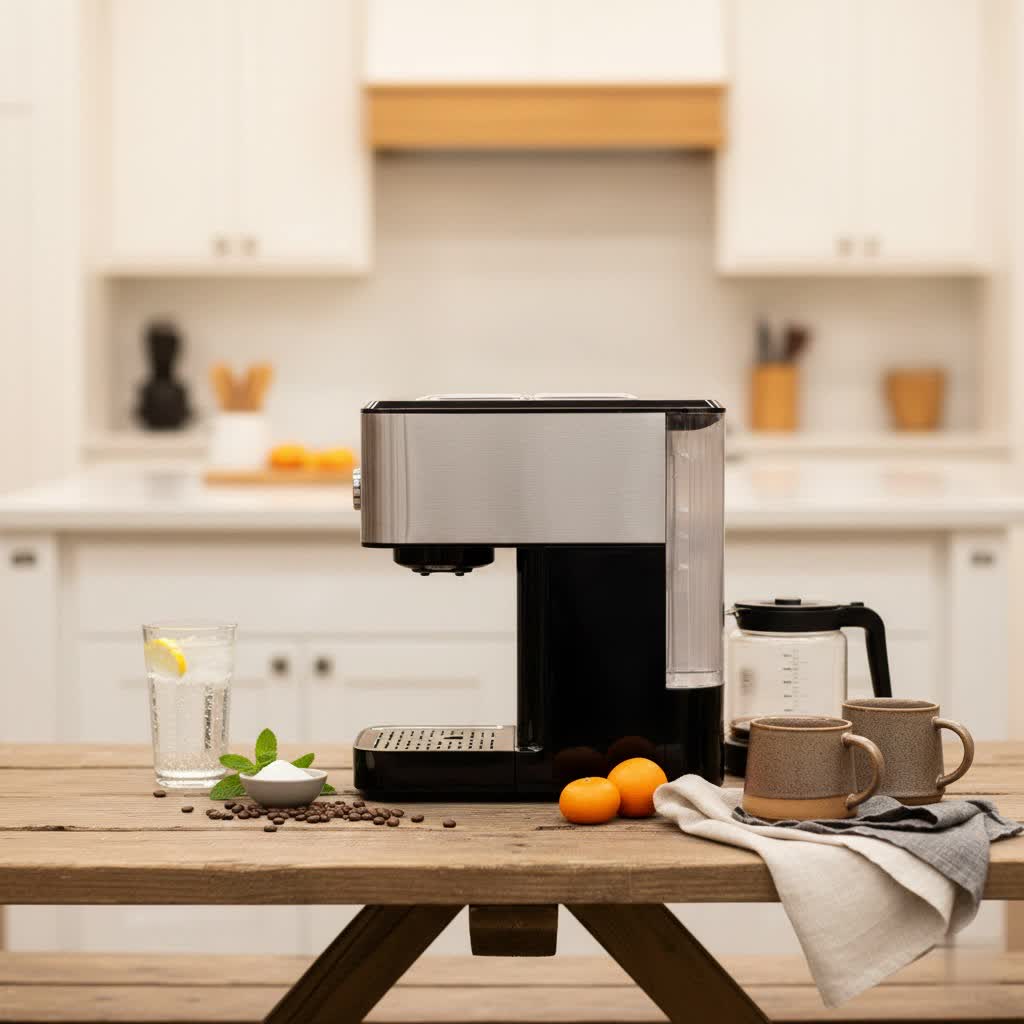
This comprehensive guide will cut through the noise, offering expert insights into the world of K-Cup coffee makers. We’ll explore the various types, critical buying factors, and highlight top models, ensuring you make an informed decision that perfectly fits your lifestyle and budget. Get ready to transform your coffee experience into one of effortless enjoyment!
Decoding K-Cup Coffee Makers: Understanding the Different Types
K-Cup coffee makers, largely popularized by Keurig, have revolutionized single-serve brewing. While the core function remains the same – brewing coffee from a pre-packaged pod – these machines come in several configurations, each catering to different needs and preferences.
Basic Single-Serve K-Cup Coffee Makers
|
Our Picks for the Best Coffee Maker in 2026
As an Amazon Associate I earn from qualifying purchases.
|
||
| Num | Product | Action |
|---|---|---|
| 1 | Mueller 12-Cup Drip Coffee Maker - Borosilicate Carafe, Auto-Off, Reusable Filter, Anti-Drip, Keep-Warm Function, Clear Water Level Window Coffee Machine, Kitchen Essentials & Accessories |

|
| 2 | Hamilton Beach 2-Way Programmable Coffee Maker, 12 Cup Glass Carafe And Single Serve Coffee Maker, Black with Stainless Steel Accents, 49980RG |
|
| 3 | BLACK+DECKER 12-Cup Digital Coffee Maker, Programmable, Washable Basket Filter, Sneak-A-Cup, Auto Brew, Water Window, Keep Hot Plate, Black |
|
| 4 | Keurig K-Express Single Serve Coffee Maker – Strong Brew Option, 42oz Reservoir, Sleek Design for Holiday Hosting & Gifting, Black |
|
| 5 | Cuisinart 14-Cup Coffee Maker, Programmable PerfecTemp Glass Carafe Coffee Machine with 1-4 Cup Setting, Brew Strength Control and Brew Pause, Stainless Steel, DCC-3200NAS |
|
| 6 | Ninja 12-Cup Programmable Coffee Brewer, 2 Brew Styles, Adjustable Warm Plate, 60oz Water Reservoir, Delay Brew - Black/Stainless Steel |
|
| 7 | Veken French Press Coffee Maker 34oz,No Plastic Touching Cafe,Thickened Borosilicate Glass Stainless Steel Brewer,Cold Brew Cafetera Teapot for Kitchen Travel Camping,Gifts,Bar Accessories,Dark Pewter |
|
| 8 | Xeoca Commercial Coffee Urn, 100 Cup Coffee Maker and Hot Water Urn, 1500W Fast-Brewing Percolator for Business, Parties, Catering, and Large Gatherings (100 Cups) |
|
| 9 | Elite Gourmet EHC4128 Automatic 4-Cup Brew & Drip Coffee Maker with Pause N Serve, Glass Carafe, Reusable Filter, On/Off Switch, Keep Warm, Water Level Indicator, Black |
|
| 10 | Newdehanm Pour Over Coffee Dripper & Filter, Reusable Paperless Clever Dripper Automatic Drip Coffee and Tea Maker with Immersion Extraction, BPA-Free, 21oz Home Brewing |
|
These are the minimalist workhorses, designed for straightforward, no-fuss brewing. Typically compact and affordable, they focus solely on delivering a standard cup of coffee. Models like the Keurig K-Mini are perfect for small kitchens, dorm rooms, or individuals who only need an occasional cup. They usually have smaller water reservoirs, requiring a refill for each brew, and offer limited customization in terms of brew size or strength. Their simplicity is their greatest strength, making them incredibly easy to operate for anyone seeking instant gratification.
Advanced Single-Serve K-Cup Coffee Makers
Stepping up from the basics, advanced single-serve machines offer more features and greater control over your brew. These models often include larger water reservoirs, allowing for multiple cups without constant refilling. You’ll typically find options for various brew sizes (from 6 to 12 ounces), strength control (like a “Strong” brew button), and sometimes even temperature adjustment. Many also feature an “Over Ice” setting, specially designed to minimize dilution when brewing cold beverages. The Keurig K-Supreme and K-Elite fall into this category, striking a balance between convenience and customization.
Dual-Brew K-Cup Coffee Makers
For households with diverse coffee preferences or those who sometimes need a full pot and other times a single cup, dual-brew machines are a game-changer. These versatile units combine the convenience of K-Cup brewing with the functionality of a traditional drip coffee maker. You can brew a single K-Cup for yourself or a full carafe using ground coffee. Models like the Keurig K-Duo or K-Duo Plus are ideal for entertaining or catering to different tastes throughout the day, offering the best of both worlds.
Specialty Drink K-Cup Coffee Makers
If your ideal coffee extends beyond a plain black cup to lattes, cappuccinos, or other cafe-style beverages, specialty K-Cup makers are designed for you. These machines often integrate features like built-in milk frothers or a “shot” option to create a concentrated coffee base for milk-based drinks. While they don’t produce true espresso, they effectively mimic the experience. The Keurig K-Café and K-Café Smart are prime examples, allowing you to experiment with a wider range of coffee creations at home.
Navigating the Purchase: Key Factors When Buying a K-Cup Coffee Maker
Choosing the best K-Cup coffee maker involves more than just picking a popular model. It’s about aligning the machine’s capabilities with your personal coffee habits, space constraints, and budget. Here’s what to consider:
Budget Considerations
K-Cup coffee makers vary widely in price, typically ranging from $50 for basic models to over $200 for feature-rich, high-end machines. Define your budget upfront to narrow down your options. Remember that while a cheaper initial investment might be appealing, the long-term cost of K-Cups can add up, making a slightly more expensive machine with a reusable filter a more economical choice over time.
Usage Needs: Who, How Often, and Where?
- Number of Users: A single-fill reservoir is fine for one person, but a larger 40-75 ounce reservoir is better for multiple users or frequent brewing, minimizing refills.
- Frequency: If you drink coffee several times a day, a model with a larger reservoir and quicker brew time will be more convenient.
- Space: Compact machines like the Keurig K-Mini are perfect for tight countertops or small apartments, while dual-brew or specialty models might require more space.
Essential Features to Look For
- Brew Sizes: Most K-Cup makers offer multiple brew sizes (e.g., 6, 8, 10, 12 ounces) to accommodate different mug sizes and strength preferences.
- Water Reservoir Capacity: A larger, removable reservoir (40+ ounces) means fewer refills and easier cleaning.
- Brew Strength Control: A “Strong” brew option slows down the brewing process to extract more flavor, ideal for those who prefer a bolder cup.
- Temperature Control: Some advanced models allow you to adjust the brewing temperature, offering nuanced control over your coffee’s taste.
- Iced Coffee Setting: An “Over Ice” mode brews coffee at a lower temperature or higher concentration to prevent dilution when poured over ice.
- Specialty Drink Options: If lattes or cappuccinos are a must, look for models with built-in milk frothers or a “shot” feature, although the quality of integrated frothers can vary.
- Smart Features: Higher-end models may include “BrewID” (which recognizes the pod and optimizes settings) or app connectivity for remote brewing and customization.
- Auto-Off/On: Features like auto-off save energy, while auto-on allows you to schedule your brew for a convenient morning start.
Brand Reputation
While several brands offer K-Cup compatible machines, Keurig remains the dominant and most recognized name. Their extensive range covers almost every need and budget. Other brands like Cuisinart and Ninja also offer compelling K-Cup compatible options, often with unique additional features such as a built-in grinder or hot water dispenser. Researching user reviews for specific models from reputable brands can provide valuable insights into reliability and performance.
Spotlight On: Comparing Leading K-Cup Coffee Makers
The market offers a diverse array of K-Cup coffee makers, each with its own set of strengths. Here, we highlight some of the top-rated models, focusing on their key features, benefits, and ideal users.
-
Keurig K-Supreme: Often hailed as a top performer, the K-Supreme offers a sleek design and user-friendly experience. It features MultiStream technology, which saturates coffee grounds more evenly for enhanced flavor. With “Strong” and “Over Ice” brew settings and a versatile dual-position 66-ounce water reservoir, it’s perfect for those seeking advanced functionality in a relatively compact form. It’s an excellent all-around choice for most coffee drinkers.
-
Keurig K-Mini: If space is a premium or you prefer ultimate simplicity, the K-Mini is your go-to. This ultra-slim brewer (less than 5 inches wide) is designed for single-cup brewing, requiring you to add fresh water for each use (6-12 ounces). It foregoes advanced features for a minimalist approach, making it ideal for dorms, small offices, or occasional coffee drinkers on a budget.
-
Keurig K-Elite: A step up in features, the K-Elite boasts a larger 75-ounce water reservoir and offers five brew sizes, “Strong” brew, and an “Over Ice” setting. It also includes an adjustable temperature control (though with a limited range) and an auto-on function. Its robust build and diverse options make it suitable for busy households or office environments where consistent, customizable coffee is valued.
-
Keurig K-Duo Plus: For the best of both worlds, the K-Duo Plus combines single-serve K-Cup brewing with the ability to brew a full carafe of ground coffee. Its sleek, slim design is more space-efficient than its K-Duo counterpart, and it comes with a thermal carafe to keep your pot warm. This machine is ideal for those who enjoy both quick individual cups and larger batches.
-
Keurig K-Café SMART: This model caters to specialty coffee lovers. It includes a built-in milk frother and a “shot” button for concentrated coffee, enabling you to craft lattes and cappuccinos. The “SMART” designation adds advanced features like “BrewID” (which customizes settings based on the K-Cup), app connectivity, and more precise temperature and strength controls. While its frother might not produce true microfoam, it offers extensive customization for those who enjoy experimenting with different beverages.
Detailed Comparison Table
| Feature | Keurig K-Supreme | Keurig K-Mini | Keurig K-Elite | Keurig K-Duo Plus | Keurig K-Café SMART |
|---|---|---|---|---|---|
| Price Range | $70 – $110 | $55 – $90 | $110 – $190 | $170 – $200 | $140 – $220 |
| Type of Machine | Advanced Single-Serve | Basic Single-Serve | Advanced Single-Serve | Dual-Brew (Pod & Carafe) | Specialty Single-Serve |
| Water Tank Capacity | 66 oz (Dual-position) | 6-12 oz (Single-fill) | 75 oz | 60 oz (for both) | Detachable, specific for brew |
| Brew Sizes | 6, 8, 10, 12 oz | 6-12 oz (variable by fill) | 4, 6, 8, 10, 12 oz | 6, 8, 10, 12 oz (pod); 8, 10, 12 cups (carafe) | 6, 8, 10, 12 oz (coffee); 2, 4 oz (shot) |
| Special Features | MultiStream, Strong, Over Ice | Compact, Cord Storage | Strong, Over Ice, Iced, Hot Water, Temp Control, Auto-On | Strong Brew (carafe), Programmable Carafe, Pause & Pour, Thermal Carafe | BrewID, Wi-Fi, 6 Temp settings, 5 Brew strengths, Milk Frother, Shot button, Over Ice |
| Ideal For | Most users, customization | Small spaces, occasional use, budget | Busy households, offices, variety | Mixed use (single cup & pot) | Latte/Cappuccino lovers, tech-savvy |
| Countertop Footprint (Approx) | Moderate (89 sq in) | Very Small (49 sq in) | Larger (130 sq in) | Moderate (Slimmer than K-Duo) | Moderate (120 sq in) |
| Notable Pros | Consistent, sleek, versatile | Affordable, compact, simple | Large reservoir, fast, versatile | Versatility, thermal carafe | Extensive customization, smart features |
| Notable Cons | Price can fluctuate | No extra features, per-cup fill | Ambiguous icons, limited temp control | Slower carafe brew | Frother quality can be inconsistent, high price |
Maximizing Your Brew: Tips for Using and Maintaining Your K-Cup Coffee Maker
To ensure your K-Cup coffee maker consistently delivers delicious coffee and stands the test of time, proper usage and regular maintenance are crucial.
Simple Usage Tips
- Use Filtered Water: This prevents mineral buildup and improves coffee taste.
- Preheat Your Mug: For a hotter cup, especially with “Over Ice” settings, warm your mug beforehand.
- Adjust Brew Size: Experiment with different ounce settings for your K-Cup. A smaller brew size will yield a stronger, more concentrated cup, while a larger size might result in a weaker brew, depending on the pod.
- Rinse After Flavored Pods: If you brew hot cocoa or flavored coffee, run a plain water rinse cycle afterward to prevent flavor transfer.
Essential Maintenance and Cleaning
Regular cleaning and descaling are vital for the longevity of your machine and the quality of your coffee.
- Daily Wipe-Down: Wipe the exterior, drip tray, and water reservoir with a damp, non-abrasive cloth. The drip tray and reservoir are often removable and can be washed with warm, soapy water.
- Water Filter Replacement: If your machine uses a water filter, replace it every two months for optimal taste and performance.
- Descaling: This is perhaps the most important maintenance step. Mineral deposits (scale) can build up inside your brewer, affecting performance and taste. It is recommended to descale your Keurig every three to six months, or approximately every 250 brews for heavy users. Many machines have an indicator light to remind you. Always consult your specific model’s manual for detailed descaling instructions, typically involving a descaling solution and several rinse cycles. “Regular descaling is non-negotiable for a K-Cup machine,” says a coffee technician with over a decade of experience. “It ensures consistent heating and prevents your coffee from tasting off.”
Common Issues and Quick Fixes
- Watered-Down Coffee: This can often be due to a clogged needle (from coffee grounds) or simply selecting too large a brew size for the K-Cup. Clean the needle and try a smaller brew.
- Slow Brewing: A slow brew or incomplete cycle often indicates scale buildup. Descaling is usually the solution.
- Machine Not Turning On: Check power connections. If still unresponsive, refer to the manual or contact customer support.
Mastering the Mug: Crafting Perfect K-Cup Coffee at Home
While K-Cup coffee makers offer unparalleled convenience, you can still elevate your home brewing game with a few simple techniques and an understanding of the K-Cup’s nuances.
Understanding K-Cup Coffee Quality
K-Cups offer consistency but generally won’t match the nuanced flavors of freshly ground, pour-over coffee. The coffee in pods is ground weeks or months before use, leading to some oxidation. Additionally, Keurig machines typically brew at around 192°F, slightly below the Specialty Coffee Association’s ideal range of 194º to 205°F, which can impact flavor extraction.
Enhancing Your K-Cup Experience
- Strong Brew Mode: If your machine has it, use the “Strong” setting for a bolder cup, which prolongs the extraction time.
- Reusable K-Cup Filters: For maximum control over quality and freshness, consider purchasing a reusable K-Cup filter. You can fill these with your favorite freshly ground coffee, giving you unlimited options and reducing waste.
- Experiment with Pods: With hundreds of K-Cup varieties available, don’t be afraid to try different brands, roasts, and flavor profiles to find what truly excites your palate.
Simple Iced Coffee Recipe
- Fill your mug: Place a generous amount of ice (halfway full) into a sturdy, non-glass mug (to prevent shattering from temperature change).
- Brew: Insert your favorite coffee K-Cup. If your machine has an “Over Ice” setting, use it. Otherwise, select the smallest brew size (e.g., 6 or 8 ounces) to create a concentrated coffee base.
- Enjoy: Once brewed, add milk, sweetener, or flavorings to taste. The stronger initial brew will help your iced coffee maintain its flavor as the ice melts.
Where to Buy Your Next K-Cup Coffee Maker
Finding the right K-Cup coffee maker is now easier than ever, with numerous reputable retailers offering a wide selection.
Online Retailers
Major online platforms like Amazon, Walmart, and Target offer extensive choices, competitive pricing, and often provide detailed customer reviews and ratings, which can be invaluable for decision-making. Look out for seasonal sales events like Black Friday, Cyber Monday, or Prime Day for significant discounts. Always check return policies and warranty information when purchasing online.
Brick-and-Mortar Stores
Electronics retailers such as Best Buy, department stores, and even some large grocery chains carry various K-Cup coffee makers. Shopping in person allows you to see the machine’s size, aesthetics, and user interface firsthand. Sales associates can also provide assistance, though their product knowledge might vary.
Tips for Smart Shopping
- Compare Prices: Prices can fluctuate significantly between retailers and even daily online. Use price comparison tools or browser extensions.
- Read Reviews: Pay attention to recent reviews regarding reliability, common issues, and actual user satisfaction.
- Check Warranty: Understand the manufacturer’s warranty and any extended protection plans offered by retailers.
Your Ultimate Buying Guide: Step-by-Step to the Best K-Cup Coffee Maker
Ready to bring the convenience of K-Cup coffee into your home? Follow these steps to ensure you choose the perfect machine:
- Assess Your Coffee Habits:
- How much coffee do you drink? (One cup a day, several, or full pots?)
- Who drinks coffee in your household? (Single person, couple, family?)
- What kind of coffee do you prefer? (Basic black, strong, iced, specialty drinks like lattes?)
- Determine Your Budget:
- Establish a realistic price range for your initial purchase.
- Consider the ongoing cost of K-Cups or reusable filters.
- Evaluate Your Space:
- Measure your available countertop space. Do you need an ultra-compact model or can you accommodate a larger machine?
- Prioritize Features:
- List your must-have features (e.g., large reservoir, strong brew, iced coffee, frother).
- Identify “nice-to-have” features (e.g., smart connectivity, temperature control).
- Research Top Models:
- Based on your needs and desired features, explore specific models from reputable brands like Keurig.
- Read expert reviews and user feedback to gauge real-world performance.
- Compare and Decide:
- Use comparison tables (like the one above) to weigh the pros and cons of your top contenders.
- Consider factors like aesthetics, ease of cleaning, and reported reliability.
- Purchase Smart:
- Look for deals online and in stores.
- Verify the return policy and warranty.
- “Never overlook the warranty,” advises industry veteran, Jane Doe. “A good warranty can save you headaches and expense down the line.”
- Read the Manual:
- Before your first brew, familiarize yourself with your new machine’s specific operating instructions and maintenance requirements.
Conclusion
Choosing the best K-Cup coffee maker is about balancing unparalleled convenience with your individual taste, budget, and lifestyle. From the compact Keurig K-Mini to the versatile K-Duo Plus and the feature-rich K-Café Smart, there’s a machine designed to meet almost every coffee lover’s needs. While K-Cups may come with considerations regarding cost and environmental impact, their speed and ease of use remain unmatched for many.
By carefully evaluating factors like brew size, water reservoir capacity, specialty features, and maintenance needs, you can confidently select a K-Cup coffee maker that brings consistent, delicious coffee right into your home. Ready to experience the perfect cup, brewed precisely how you like it, every time? The power is now in your hands.
Frequently Asked Questions
Are K-Cups recyclable?
While Keurig K-Cup pods are made from #5 polypropylene plastic and are technically accepted by many single-stream recycling programs since 2020, their actual recycling rates are often low to negligible. It’s crucial to check with your local recycling facility to confirm if they accept and actually process K-Cups before placing them in your recycling bin. Many facilities cannot process them due to their small size.
Does a Keurig make espresso?
No, a Keurig machine does not make true espresso. Traditional espresso requires high pressure (typically 9 bars) to force hot water through finely-ground coffee. Keurig machines use some pressure for faster brewing than drip coffee makers but do not exert enough force to create authentic espresso. However, some models, particularly in the K-Café line, offer a “shot” option using an espresso-roast K-Cup to mimic a concentrated coffee base for milk-based drinks.
How do you make iced coffee with a Keurig?
To make iced coffee with a Keurig, simply fill a large, non-glass mug halfway with ice. Then, insert your desired K-Cup pod and brew directly over the ice. Many newer Keurig models, such as the K-Supreme, feature a dedicated “Over Ice” brew mode that adjusts the brewing process (e.g., starts hot on strong mode then lowers temperature) to minimize ice melt and prevent dilution, ensuring a robust and cold iced coffee.
How often should I descale my K-Cup coffee maker?
It is generally recommended to descale your K-Cup coffee maker every three to six months, or approximately every 250 brews, especially if you use it heavily. Descaling removes mineral buildup that can affect your machine’s performance and the taste of your coffee. Many Keurig models include an indicator light to notify you when it’s time for descaling. Always use a descaling solution recommended by the manufacturer and follow your specific model’s instructions.
Are K-Cups more expensive than traditional ground coffee?
Yes, K-Cups are generally more expensive per cup than traditional ground coffee. For example, a K-Cup might cost around $0.51 per pod, while brewing the same amount of coffee from a bag of ground coffee could cost about $0.34 per cup. This difference can add up significantly over a year, with daily K-Cup use potentially costing over $60 more annually compared to brewing with grounds.
