Are you caught in the delightful dilemma of choosing between a classic coffee maker and a powerful espresso machine for your home? Many coffee enthusiasts face this very question, seeking to elevate their daily ritual from a simple caffeine fix to an art form. This in-depth guide will demystify the distinct worlds of coffee makers and espresso machines, helping you understand their core differences, explore various types, and ultimately select the perfect brewing companion tailored to your unique tastes and lifestyle.
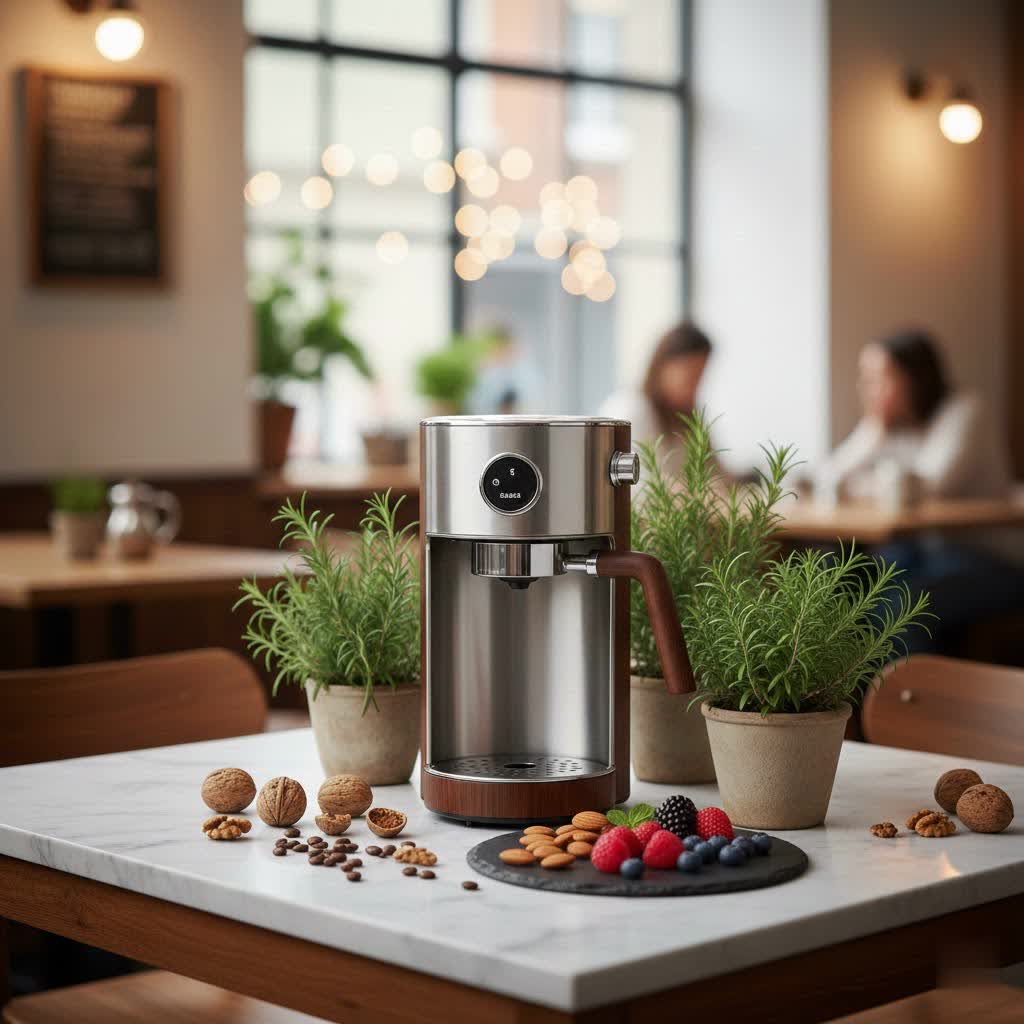
Decoding the World of Coffee Makers and Espresso Machines
|
Our Picks for the Best Coffee Maker in 2026
As an Amazon Associate I earn from qualifying purchases.
|
||
| Num | Product | Action |
|---|---|---|
| 1 | Elite Gourmet EHC4128 Automatic 4-Cup Brew & Drip Coffee Maker with Pause N Serve, Glass Carafe, Reusable Filter, On/Off Switch, Keep Warm, Water Level Indicator, Black |

|
| 2 | Newdehanm Pour Over Coffee Dripper & Filter, Reusable Paperless Clever Dripper Automatic Drip Coffee and Tea Maker with Immersion Extraction, BPA-Free, 21oz Home Brewing |
|
| 3 | Xeoca Commercial Coffee Urn, 100 Cup Coffee Maker and Hot Water Urn, 1500W Fast-Brewing Percolator for Business, Parties, Catering, and Large Gatherings (100 Cups) |
|
| 4 | Veken French Press Coffee Maker 34oz,No Plastic Touching Cafe,Thickened Borosilicate Glass Stainless Steel Brewer,Cold Brew Cafetera Teapot for Kitchen Travel Camping,Gifts,Bar Accessories,Dark Pewter |
|
| 5 | Ninja 12-Cup Programmable Coffee Brewer, 2 Brew Styles, Adjustable Warm Plate, 60oz Water Reservoir, Delay Brew - Black/Stainless Steel |
|
| 6 | Hamilton Beach 2-Way Programmable Coffee Maker, 12 Cup Glass Carafe And Single Serve Coffee Maker, Black with Stainless Steel Accents, 49980RG |
|
| 7 | BLACK+DECKER 12-Cup Digital Coffee Maker, Programmable, Washable Basket Filter, Sneak-A-Cup, Auto Brew, Water Window, Keep Hot Plate, Black |
|
| 8 | Mueller 12-Cup Drip Coffee Maker - Borosilicate Carafe, Auto-Off, Reusable Filter, Anti-Drip, Keep-Warm Function, Clear Water Level Window Coffee Machine, Kitchen Essentials & Accessories |
|
| 9 | Keurig K-Express Single Serve Coffee Maker – Strong Brew Option, 42oz Reservoir, Sleek Design for Holiday Hosting & Gifting, Black |
|
| 10 | Cuisinart 14-Cup Coffee Maker, Programmable PerfecTemp Glass Carafe Coffee Machine with 1-4 Cup Setting, Brew Strength Control and Brew Pause, Stainless Steel, DCC-3200NAS |
|
The vast universe of coffee brewing appliances offers an exciting array of choices. From the everyday convenience of a drip coffee maker to the intricate craft of an espresso machine, each category serves a distinct purpose and caters to different preferences.
Common Types of Coffee Makers
Coffee makers are designed to produce a milder, less concentrated beverage, typically enjoyed in larger quantities. They generally operate by saturating coffee grounds with hot water, allowing gravity to draw out the flavors.
- Drip Coffee Makers: These are perhaps the most ubiquitous household coffee machines. Hot water is dripped over coffee grounds held in a filter, and the brewed coffee collects in a carafe below. They are prized for their simplicity, convenience, and ability to brew multiple cups at once, making them ideal for households that consume several cups throughout the day or when entertaining guests. While offering limited control over brewing variables, modern models may feature programmable timers and temperature controls.
- Single-Serve Pod Coffee Makers: Gaining immense popularity for their speed and ease of use, these machines utilize pre-packaged coffee pods or capsules. Hot water is forced through the pod to produce a single cup, ensuring quick brewing and minimal cleanup. Their convenience comes at the cost of higher per-cup expenses and increased environmental waste from the pods.
- French Press: A manual immersion brewing method where coarsely ground coffee steeps in hot water before being separated by a plunger. The French Press yields a rich, full-bodied coffee with more sediment, offering a robust flavor profile.
- Pour Over: This method involves manually pouring hot water over coffee grounds in a cone-shaped filter. It requires precision and attention to detail, allowing for excellent control over extraction and resulting in a clean, bright, and nuanced cup of coffee.
- Moka Pot: A stovetop brewer that produces a strong, espresso-like concentrated coffee by forcing hot water through ground coffee using steam pressure. Popular in Europe and Latin America, it offers a robust brew without the need for an expensive espresso machine.
- AeroPress: Often described as a hybrid, the AeroPress uses air pressure to brew coffee, producing a clean, concentrated shot that can be diluted for a larger cup or used as an espresso base. It’s known for its versatility and portability.
Understanding Espresso Machines
Espresso machines are specialized appliances engineered to create a concentrated, intense coffee shot called espresso. This rich, aromatic beverage forms the foundation for a wide array of popular specialty drinks like lattes, cappuccinos, and macchiatos.
- Manual Espresso Machines: These machines offer the most hands-on control, requiring the user to manually apply pressure to extract the espresso shot. They demand skill and practice but reward the dedicated barista with unparalleled control over the brewing process.
- Semi-Automatic Espresso Machines: These are a popular choice for home enthusiasts, automating the water pump pressure but leaving control over grind size, tamping, and shot duration to the user. They strike a balance between control and convenience.
- Automatic Espresso Machines: Taking convenience a step further, automatic machines typically pre-program the shot volume, stopping the water flow once the desired amount of espresso is brewed. The user still grinds and tamps the coffee.
- Super-Automatic Espresso Machines: The pinnacle of convenience, these machines handle nearly every step: grinding beans, tamping, brewing, and even frothing milk with the touch of a button. They offer consistent results with minimal effort, though often at a higher price point.
Coffee Maker vs. Espresso Machine: Unpacking the Key Differences
Choosing between these two primary coffee powerhouses hinges on understanding their fundamental distinctions in brewing mechanics, flavor, and user experience.
Brewing Method and Pressure
The most significant difference lies in the brewing method. Espresso machines utilize high pressure—typically around 9 bars—to force hot water through finely ground coffee in a short amount of time, usually 25-30 seconds, resulting in a concentrated “shot”. This high-pressure extraction is what creates espresso’s signature crema layer. In contrast, coffee makers, particularly drip models, rely on gravity. Hot water slowly drips over coarser coffee grounds, steeping and extracting flavors as it passes through a filter into a carafe.
Flavor Profile and Concentration
Espresso is renowned for its bold, intense, and concentrated flavor, characterized by a thick consistency and a rich “crema” – a reddish-brown foam layer on top. This robust profile makes it ideal for sipping neat or as the base for milk-based beverages. Brewed coffee from a typical coffee maker, conversely, is less concentrated, offering a milder, smoother flavor with a lighter body. The higher water-to-coffee ratio results in a more subtle taste profile.
Grind Size
The required grind size is crucial and differs significantly. Espresso machines demand a very fine, almost powder-like grind, similar to cinnamon, to allow for optimal extraction under high pressure. Coffee makers, such as drip machines, require a medium-coarse grind, which prevents over-extraction and bitterness during the slower brewing process.
Brewing Time and Convenience
Espresso machines can produce a shot in less than a minute, offering quick satisfaction. However, manual and semi-automatic models require more involvement with grinding, tamping, and monitoring. Automatic filter coffee machines are slower, typically brewing a pot in 4 to 5 minutes, but are generally easier to use with minimal effort beyond adding water and grounds.
Versatility and Drink Types
Espresso machines, especially those with steam wands, offer immense versatility, enabling you to craft a wide range of espresso-based drinks like lattes, cappuccinos, macchiatos, and Americanos. Standard coffee makers are primarily designed for brewing black coffee, though some specialty models can produce concentrates for iced coffee or other variations.
Cost and Maintenance
Generally, coffee makers are the more affordable option, with a broad spectrum of budget-friendly models available. Espresso machines, particularly high-end semi-automatic or super-automatic models, represent a more significant investment. In terms of maintenance, coffee makers typically require less upkeep, usually involving regular cleaning of the carafe and filter basket. Espresso machines, due to their intricate mechanisms and higher pressure, demand more rigorous cleaning, including daily cleaning of the portafilter, group head, and steam wand, plus regular descaling to prevent mineral buildup.
How to Choose Your Ideal Coffee Machine: Factors to Consider
Deciding between a coffee maker and an espresso machine, or even a combination unit, comes down to a few critical factors that align with your personal habits and preferences.
Your Coffee Preferences
- Black Coffee & Simplicity: If you primarily enjoy a straightforward cup of black coffee or prefer a milder taste, a drip coffee maker or a pour-over system might be your best bet.
- Espresso-Based Drinks: If your heart (and palate) yearns for lattes, cappuccinos, macchiatos, or the intense kick of a pure espresso shot, an espresso machine is essential.
- Variety Seeker: For those who appreciate both traditional coffee and specialty espresso drinks, a combination machine could offer the best of both worlds.
Lifestyle and Convenience
- Busy Mornings: If speed and minimal effort are paramount for your morning routine, a single-serve pod machine, an automatic drip coffee maker, or a super-automatic espresso machine will be a strong contender.
- Hands-On Brewing: If you enjoy the ritual and control of crafting your coffee, a French press, pour-over, Moka pot, or a semi-manual espresso machine might be more appealing.
Budget
Coffee makers typically range from $20 to $200. Espresso machines can start from $100 for basic models and soar to several thousand dollars for professional-grade or super-automatic units. Combination machines also vary widely, often sitting in the mid to high range depending on features.
Space and Design
Consider your kitchen counter space. Drip coffee makers are generally compact, while espresso machines can vary significantly in size, often requiring additional space for accessories like grinders, tampers, and knock boxes. Combination machines aim to save space by integrating both functions into one unit.
Household Size and Volume
For individuals or small households enjoying one or two cups daily, a single-serve, pour-over, or a smaller espresso machine works well. Larger households or those who entertain frequently might benefit from a 10-12 cup drip coffee maker or a super-automatic espresso machine that can brew multiple servings quickly.
Exploring Combination Coffee and Espresso Machines
For those who desire the versatility to brew both a full pot of drip coffee and a rich espresso shot without cluttering their counter with two separate appliances, combination coffee and espresso machines offer an attractive solution. These all-in-one units integrate both brewing systems into a single footprint.
Brands like De’Longhi and Ninja offer popular combination models that allow simultaneous brewing of drip coffee and espresso, often including a built-in milk frother for lattes and cappuccinos. While offering unparalleled convenience and space-saving benefits, some combination machines might compromise slightly on the specialized performance of dedicated machines. However, for many, the versatility outweighs any minor trade-offs, providing an excellent solution for diverse coffee cravings.
“The true magic of coffee lies in finding the brewing method that speaks to your soul, whether it’s the quiet contemplation of a pour-over or the intense drama of an espresso shot.” – Admin, ReviewMyDC.com, Coffee Machine Expert
Essential Tips for Using and Maintaining Your Coffee Machine
Proper usage and regular maintenance are key to extending the lifespan of your coffee machine and consistently brewing delicious coffee.
- Clean Regularly: For drip coffee makers, regularly wash the carafe and filter basket. For espresso machines, clean the portafilter, group head, and steam wand daily to prevent coffee oil and milk residue buildup.
- Descale Periodically: Mineral deposits from water can accumulate inside your machine, affecting performance and flavor. Descale your machine every 1-3 months, depending on water hardness and usage, using a descaling solution or a vinegar-water mixture.
- Use Freshly Ground Beans: Grinding your coffee beans just before brewing significantly enhances flavor and aroma, regardless of your machine type. Invest in a good quality grinder.
- Utilize Filtered Water: High-quality, filtered water prevents mineral buildup and ensures the purest coffee taste.
Crafting Delicious Coffee at Home
Mastering your coffee machine means unlocking a world of delicious beverages.
- Perfecting Drip Coffee: Use a coffee-to-water ratio of 1:15 to 1:18 (e.g., 55-60 grams of coffee per liter of water). Ensure water temperature is between 195-205°F (90-96°C) for optimal extraction.
- Pulling an Espresso Shot: Aim for 18-20 grams of finely ground coffee for a double shot, extracting 36-40 grams of liquid espresso in 25-30 seconds.
- Milk-Based Drinks: For lattes and cappuccinos, steam cold milk to a temperature of 140-155°F (60-68°C), creating a smooth microfoam for latte art and creamy texture.
Where to Purchase Your Next Coffee Machine
When you’re ready to make your investment, consider reliable retailers. You can find coffee makers and espresso machines at major electronics stores, department stores, specialty coffee shops, and reputable online platforms. Always check for product reviews, warranty information, and customer support to ensure a satisfactory purchase.
Comprehensive Buying Guide: Your Step-by-Step Path
- Define Your Needs and Budget: Start by outlining the types of coffee you enjoy, how many cups you brew daily, and your maximum spending limit.
- Research Machine Types: Familiarize yourself with drip, espresso, and combination machines, along with manual methods like French press or pour-over, to understand their pros, cons, and brewing styles.
- Read Reviews and Comparisons: Consult independent reviews and comparison articles to gauge real-world performance, durability, and user satisfaction for models within your budget.
- Consider Features: Look for features like programmable timers, strength control, built-in grinders, milk frothers, and ease of cleaning that match your desired convenience level.
- Experience in Person (if possible): If feasible, visit a store where you can see the machines, assess their footprint, and get a feel for their operation.
- Understand Maintenance Requirements: Be aware of the cleaning and descaling routines specific to your chosen machine type to ensure longevity and optimal performance.
Conclusion
Navigating the choices between a coffee maker and an espresso machine can seem daunting, but it’s an exciting journey toward perfecting your home brewing experience. Whether you prioritize the ease of a large pot of drip coffee, the rich intensity of an espresso shot, or the versatile capabilities of a combination machine, the right choice ultimately depends on your personal taste, lifestyle, and willingness to engage with the brewing process. With the insights shared here, you are well-equipped to make an informed decision and embark on countless delightful coffee moments.
What kind of coffee adventure will you brew next?
Frequently Asked Questions
What is the main difference between coffee and espresso?
The primary difference lies in the brewing method. Espresso is a concentrated coffee brewed under high pressure, resulting in a bold flavor and a distinct crema. Coffee, typically brewed via drip or immersion, is a milder, less concentrated beverage made by slowly extracting flavors from coarser grounds.
Can a regular coffee maker make espresso?
No, a regular drip coffee maker cannot make true espresso. Espresso requires a specialized machine that can generate high pressure (around 9 bars) to force hot water through finely ground coffee, which standard coffee makers are not designed to do. While you can brew a strong coffee, it won’t have the rich intensity or crema of authentic espresso.
Are combination coffee and espresso machines worth it?
Combination machines can be a great investment for those who enjoy both traditional drip coffee and espresso-based drinks, offering convenience and saving counter space. However, their performance may sometimes be a slight compromise compared to dedicated, high-end individual machines. They are ideal for versatile coffee drinkers seeking an all-in-one solution.
