Are you tired of acidic, bitter coffee, or constantly heading to the coffee shop for your refreshing fix? The perfect cold brew coffee maker can transform your daily routine, delivering smooth, rich, and naturally sweeter coffee right in your kitchen. But with countless options on the market, choosing the right one can feel overwhelming. This comprehensive guide will help you navigate the world of cold brew makers, ensuring you find a device that perfectly suits your preferences and brewing habits.
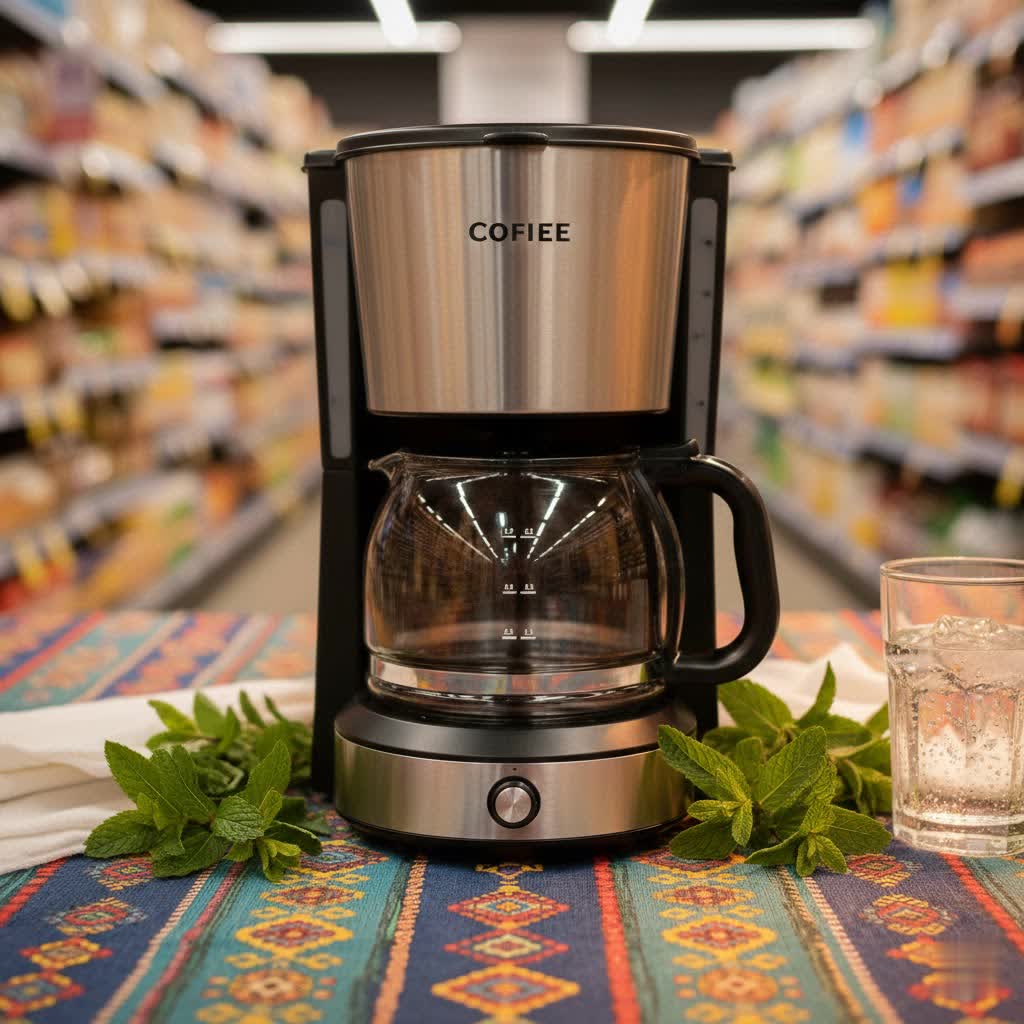
Popular Types of Cold Brew Coffee Makers
Cold brew coffee makers come in various designs, each offering a unique brewing experience and catering to different needs. Understanding these types is the first step in finding your ideal companion.
Immersion Brewers
Immersion brewers are the most common and often the simplest type. They involve steeping coarsely ground coffee in cold water for an extended period, typically 12 to 24 hours. The coffee grounds are fully submerged in water, allowing for a thorough extraction of flavors.
- Pros: Generally affordable, easy to use, produces a rich and concentrated brew, often yields large batches.
- Cons: Requires a long steeping time, filtration can sometimes leave fine sediment.
- Best for: Beginners, those who appreciate a hands-off approach, and anyone looking to make large quantities of concentrate to last for days. Popular examples include the Toddy Cold Brew System and the OXO Good Grips Cold Brew Coffee Maker.
|
Our Picks for the Best Coffee Maker in 2026
As an Amazon Associate I earn from qualifying purchases.
|
||
| Num | Product | Action |
|---|---|---|
| 1 | Cuisinart 14-Cup Coffee Maker, Programmable PerfecTemp Glass Carafe Coffee Machine with 1-4 Cup Setting, Brew Strength Control and Brew Pause, Stainless Steel, DCC-3200NAS |

|
| 2 | Xeoca Commercial Coffee Urn, 100 Cup Coffee Maker and Hot Water Urn, 1500W Fast-Brewing Percolator for Business, Parties, Catering, and Large Gatherings (100 Cups) |
|
| 3 | Ninja 12-Cup Programmable Coffee Brewer, 2 Brew Styles, Adjustable Warm Plate, 60oz Water Reservoir, Delay Brew - Black/Stainless Steel |
|
| 4 | Elite Gourmet EHC4128 Automatic 4-Cup Brew & Drip Coffee Maker with Pause N Serve, Glass Carafe, Reusable Filter, On/Off Switch, Keep Warm, Water Level Indicator, Black |
|
| 5 | Keurig K-Express Single Serve Coffee Maker – Strong Brew Option, 42oz Reservoir, Sleek Design for Holiday Hosting & Gifting, Black |
|
| 6 | BLACK+DECKER 12-Cup Digital Coffee Maker, Programmable, Washable Basket Filter, Sneak-A-Cup, Auto Brew, Water Window, Keep Hot Plate, Black |
|
| 7 | Veken French Press Coffee Maker 34oz,No Plastic Touching Cafe,Thickened Borosilicate Glass Stainless Steel Brewer,Cold Brew Cafetera Teapot for Kitchen Travel Camping,Gifts,Bar Accessories,Dark Pewter |
|
| 8 | Hamilton Beach 2-Way Programmable Coffee Maker, 12 Cup Glass Carafe And Single Serve Coffee Maker, Black with Stainless Steel Accents, 49980RG |
|
| 9 | Mueller 12-Cup Drip Coffee Maker - Borosilicate Carafe, Auto-Off, Reusable Filter, Anti-Drip, Keep-Warm Function, Clear Water Level Window Coffee Machine, Kitchen Essentials & Accessories |
|
| 10 | Newdehanm Pour Over Coffee Dripper & Filter, Reusable Paperless Clever Dripper Automatic Drip Coffee and Tea Maker with Immersion Extraction, BPA-Free, 21oz Home Brewing |
|
Slow Drip (Kyoto Style) Brewers
Also known as Dutch or Kyoto-style brewers, slow drip systems involve cold water gradually dripping over a bed of coffee grounds. This method creates a visually striking process and is believed to produce a less acidic, incredibly clean, and nuanced cold brew.
- Pros: Produces an exceptionally smooth, less acidic coffee, aesthetically pleasing, unique flavor profile.
- Cons: Can be expensive, often requires more counter space due to their tall design, takes several hours to brew, can be fragile.
- Best for: Coffee connoisseurs seeking a distinctive brewing method and a refined taste experience, or those who appreciate a decorative kitchen appliance. The Nispira Cold Brew Drip Tower is a prime example.
Automatic and Rapid Brewers
For those who desire speed without compromising on the cold brew quality, automatic and rapid cold brew makers are an excellent choice. These machines often use vacuum technology or spinning mechanisms to significantly cut down brewing time, delivering cold brew in minutes rather than hours.
- Pros: Fast brewing (as little as 15 minutes), often offers adjustable strength settings, convenient.
- Cons: Typically more expensive, some models can be noisy, may have more parts to clean.
- Best for: Busy individuals who want cold brew on demand, tech enthusiasts, and those who prioritize speed and convenience. The Cuisinart Automatic Cold Brew Coffee Maker and DASH Rapid Cold Brew Maker fall into this category.
Buying Guide: Essential Factors for Choosing a Cold Brew Maker
Selecting the right cold brew coffee maker involves more than just picking a popular model. Consider these key factors to ensure your choice aligns with your lifestyle and coffee preferences.
Budget
Cold brew makers range widely in price, from simple, budget-friendly mason jar setups to high-end automatic systems.
- Entry-level (Under $50): Offers basic immersion brewing. Expect glass jars with mesh filters, like the County Line Kitchen Cold Brew Mason Jar Coffee Maker. These are excellent for those new to cold brew or on a tight budget.
- Mid-range ($50-$100): Provides enhanced features, better materials, and improved designs. Examples include the OXO Good Grips and Ovalware brewers, offering better filtration and ease of use.
- Premium ($100+): Includes automatic machines, large-capacity options with dispensers, and intricate slow-drip towers. The KitchenAid Cold Brew Coffee Maker and Nispira Drip Tower are in this bracket, offering advanced functionality or aesthetic appeal.
Capacity
How much cold brew do you need? Consider your consumption habits and household size.
- Single-Serve/Small (Under 30 oz): Ideal for solo drinkers or those with limited fridge space. Compact models like the OXO Compact Cold Brew Coffee Maker or Hario Mizudashi fit easily into smaller kitchens.
- Medium (30-60 oz): Suitable for couples or small families who enjoy a few cups throughout the week. Many standard immersion brewers fall into this range, providing enough concentrate for 12-14 servings.
- Large (60 oz+): Perfect for entertaining, large families, or avid cold brew drinkers who want to brew less frequently. The Toddy Cold Brew System and KitchenAid Cold Brew Coffee Maker offer significant capacities.
Materials
The materials of your cold brew maker impact durability, taste, and ease of cleaning.
- Glass: Often preferred for its non-reactive properties, preserving the pure taste of coffee. It’s aesthetically pleasing but can be more fragile. Borosilicate glass is a durable and lightweight option.
- Plastic: More durable and generally less expensive than glass. However, some plastics can stain or absorb odors over time. Ensure it’s BPA-free and high-quality to avoid off-flavors.
- Stainless Steel: Excellent for durability, temperature retention, and often used for filters. Stainless steel components are generally long-lasting and easy to clean.
Features and Design
Specific features can greatly enhance your brewing experience.
- Filter Type: Fine mesh stainless steel filters are popular for preventing grounds from seeping into the concentrate and are reusable. Some makers offer optional paper filters for extra-clear brews.
- Ease of Use & Cleaning: Look for models with clear instructions, simple assembly, and dishwasher-safe components for hassle-free maintenance. Features like a brew-release switch (OXO) or a tap dispenser (KitchenAid) add convenience.
- Airtight Storage: An airtight lid is crucial for preserving the freshness of your cold brew concentrate in the refrigerator for up to two weeks.
- Footprint: Consider how much counter or fridge space the maker will occupy. Compact or square designs are ideal for small kitchens or fridge doors.
Comparison of Top Cold Brew Coffee Makers
Here’s a detailed comparison of some highly-rated cold brew coffee makers, highlighting their key characteristics.
| Feature | Toddy Cold Brew System | OXO Good Grips Cold Brew Coffee Maker | KitchenAid Cold Brew Coffee Maker | DASH Rapid Cold Brew Maker | County Line Kitchen Mason Jar |
|---|---|---|---|---|---|
| Price | $$ (Around $45) | $$$ (Around $53) | $$$$ (Around $140) | $$$ (Around $90) | $ (Around $29) |
| Type | Immersion | Immersion | Immersion | Automatic Rapid | Immersion |
| Capacity | 38 oz concentrate (up to 19 drinks) | 32 oz concentrate (12-14 drinks) | 28/38 oz concentrate (up to 19 drinks) | 40 oz (ready-to-drink) | 32/64 oz |
| Key Features | Dual filtration options, reusable felt filters | “Rainmaker” water dispersion, brew-release switch, measuring cup lid | Built-in tap dispenser, compact square design, fine metal filter | 12-minute brew time, adjustable strength, vacuum technology | Durable mason jar, stainless steel filter, silicone seal |
| Material | Plastic, glass | Glass, plastic, stainless steel | Glass, stainless steel | Plastic | Glass, stainless steel |
| Overall Rating | Excellent flavor, great for big batches | User-friendly, consistent extraction, delicious flavor | Convenient for fridge storage, elegant design, easy serving | Fast, smooth flavor, genuinely cold brew | Budget-friendly, simple, durable |
Note: Prices are approximate and subject to change.
Tips for Using and Maintaining Your Cold Brew Coffee Maker
To get the most out of your cold brew maker and ensure its longevity, follow these best practices.
Usage Tips for the Perfect Brew
- Use Coarse Grind Coffee: This is paramount. A coarse grind prevents over-extraction, which can lead to bitterness, and minimizes sediment in your final brew. A grind similar to sea salt or French press consistency is ideal.
- Optimal Coffee-to-Water Ratio: A common starting point for cold brew concentrate is a 1:4 ratio (1 part coffee grounds to 4 parts cold, filtered water). Adjust this to your preference for strength; you can dilute the concentrate later.
- Filtered Water is Key: The quality of your water significantly impacts taste. Use filtered water for the cleanest, purest flavor.
- Steep Time Matters: Most immersion cold brew requires 12 to 24 hours of steeping. Shorter times result in a milder brew, while longer times (up to 24 hours) yield a stronger concentrate. Steeping longer than 24 hours can sometimes lead to a bitter taste. You can steep at room temperature or in the refrigerator.
- Dilute Your Concentrate: Cold brew concentrate is very strong. Always dilute it with water, milk, or your favorite creamer to achieve your desired strength and taste.
- Experiment with Roasts: Medium to dark roasts often shine in cold brew, as the process mutes acidity and highlights rich, chocolatey, or nutty notes. Lighter roasts might lose some of their delicate floral characteristics.
Cleaning and Maintenance
Proper cleaning extends the life of your cold brew maker and ensures every batch tastes fresh.
- Regular Cleaning: Clean all components after each batch. Many parts are dishwasher-safe, but always check the manufacturer’s instructions.
- Filter Care: If using a mesh filter, rinse it thoroughly to remove all coffee grounds. For felt filters (like Toddy), follow specific care instructions to avoid damage.
- Prevent Stains and Odors: For plastic components, rinse immediately after use. Baking soda solutions can help remove stubborn stains and odors.
- Airtight Storage: Ensure the concentrate is stored in a clean, airtight container in the refrigerator to maintain freshness for up to two weeks.
Delicious Cold Brew Recipes at Home
Once you have your cold brew concentrate, the possibilities are endless!
Classic Cold Brew Concentrate
- Ingredients: 1 cup coarsely ground coffee, 4 cups cold, filtered water.
- Instructions: Combine coffee and water in your cold brew maker. Stir gently to ensure all grounds are saturated. Steep for 12-24 hours at room temperature or in the refrigerator. Strain the concentrate through the filter, discarding the grounds. Store in an airtight container in the fridge.
- Serving Suggestion: Mix 1 part concentrate with 1-2 parts water or milk over ice.
Vanilla Sweet Cream Cold Brew
- Ingredients: Cold brew concentrate, ice, vanilla syrup, heavy cream (or plant-based alternative).
- Instructions: Fill a glass with ice. Add cold brew concentrate to your desired strength. In a separate cup, combine a splash of heavy cream and a pump or two of vanilla syrup, then froth until light and airy. Pour the vanilla sweet cream over the cold brew.
Spiced Cold Brew Latte
- Ingredients: Cold brew concentrate, milk (dairy or non-dairy), ice, a pinch of cinnamon, nutmeg, and cardamom, a dash of maple syrup (optional).
- Instructions: Combine cold brew concentrate, milk, spices, and maple syrup (if using) in a glass with ice. Stir well and enjoy.
Where to Buy a Cold Brew Coffee Maker
Finding a reputable retailer for your cold brew maker is as important as choosing the right model.
- Online Retailers: Amazon, Walmart, Target, and specialty coffee websites (like Toddy’s official site or Ovalware’s) offer a wide selection, competitive pricing, and customer reviews. Always check seller ratings when buying from third-party marketplaces.
- Department Stores & Home Goods Stores: Stores like Williams Sonoma, Bed Bath & Beyond, and other kitchenware retailers often carry popular brands and allow you to see products in person.
- Specialty Coffee Shops: Some local coffee shops or roasters may sell curated cold brew makers, often with expert advice.
When buying online, always read product descriptions carefully, check the warranty, and compare prices. Look for clear return policies to ensure a smooth purchasing experience.
Comprehensive Cold Brew Coffee Maker Buying Guide
Here’s a step-by-step approach to making an informed purchase:
Step 1: Determine Your Cold Brew Needs and Budget.
Are you a daily cold brew drinker, or do you only occasionally indulge? How many people will be using it? Do you have limited counter space? Set a realistic budget based on the features and capacity you desire.
Step 2: Research Types and Brands.
Familiarize yourself with immersion, slow-drip, and automatic brewers. Explore reputable brands like Toddy, OXO, KitchenAid, Takeya, and Cuisinart, noted for their quality and performance.
Step 3: Read Reviews and Compare Products.
Consult expert reviews from trusted sources like The Spruce Eats and Food Network, and pay attention to user feedback on specific models. Compare features such as capacity, material, filter type, ease of cleaning, and overall performance.
Step 4: Purchase from a Reputable Retailer.
Whether online or in-store, choose a retailer with a strong reputation for customer service and fair return policies. This ensures peace of mind with your investment.
Step 5: Read the Instruction Manual Before Use.
Even if you’re an experienced cold brewer, always read the manual for your new device. It contains crucial information on specific ratios, steeping times, assembly, and cleaning procedures to ensure optimal performance and longevity.
Conclusion
Choosing the best cold brew coffee maker is a journey that blends personal preference with practical considerations. From the simplicity of immersion brewers like the Toddy Cold Brew System to the rapid convenience of a DASH machine, there’s a perfect option for every coffee lover. By focusing on factors like capacity, material, features, and ease of use, you can confidently select a maker that delivers consistently smooth, delicious cold brew. Ready to elevate your home coffee experience? Which cold brew coffee maker will brew your perfect cup?
Frequently Asked Questions
Is cold brew less acidic than regular coffee?
Yes, cold brew is significantly less acidic than traditionally hot-brewed coffee, often by up to 60%. This is because cold water extracts fewer of the acidic compounds from coffee grounds, resulting in a smoother, naturally sweeter, and gentler-on-the-stomach beverage.
What is the ideal grind size for cold brew coffee?
The ideal grind size for cold brew coffee is coarse, similar to that used for a French press. Using coarse grounds prevents over-extraction, which can lead to a bitter taste, and also makes it easier to filter out sediment, ensuring a clean and smooth final concentrate.
How long does homemade cold brew concentrate last in the fridge?
When stored in an airtight container in the refrigerator, homemade cold brew concentrate typically stays fresh for up to two weeks. Its low acidity helps preserve its flavor longer than hot-brewed coffee.
