There’s nothing quite like the invigorating aroma and rich taste of a freshly brewed cup of coffee to kickstart your day or provide a much-needed afternoon pick-me-up. For many, the daily visit to a coffee shop is a cherished ritual, but with the average takeaway hot drink costing a significant amount, investing in a quality home coffee maker machine has become an increasingly appealing prospect. The right machine can transform your kitchen into a personal café, offering convenience, cost savings, and the ability to customize your brew exactly to your liking. But with an overwhelming array of options, from basic drip brewers to sophisticated espresso machines, choosing the best coffee maker for your home can feel daunting. This comprehensive guide will demystify the choices, helping you find the perfect appliance to satisfy your caffeine cravings.
Exploring the Popular Types of Home Coffee Maker Machines
The world of home coffee makers is diverse, each type offering a unique brewing experience and catering to different tastes and lifestyles. Understanding the distinctions is the first step in finding your ideal machine.
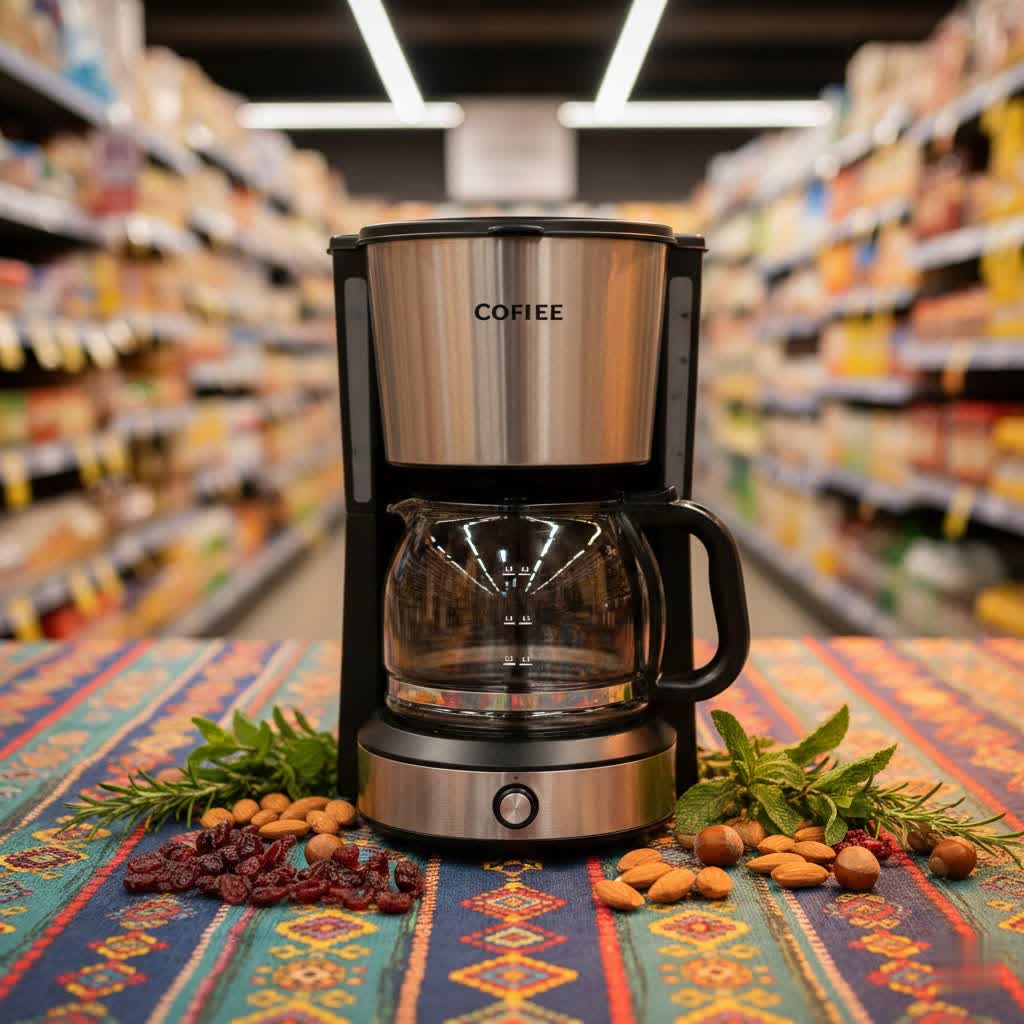
Drip/Filter Coffee Makers
Drip coffee, also known as filter coffee, is arguably the most common and beloved brewing style in many homes, known for its smooth, light, and delicate flavors. These machines are praised for their sheer simplicity and ability to brew large quantities, making them perfect for households with multiple coffee drinkers or for those who enjoy refilling their cup throughout the day. They are generally easy to use and maintain, ideal for beginners.
Pros:
- Ease of Use: Simple operation, often just a switch or button to start.
- Capacity: Can brew large volumes, typically 8-12 cups.
- Affordability: Many budget-friendly options are available.
- Low Maintenance: Generally easy to clean.
Cons:
- Limited Customization: Offers less control over the brewing process and flavor compared to other types.
- Flavor Profile: Produces lighter coffee; not suitable for espresso lovers.
- Size: Some models can have a larger countertop footprint.
|
Our Picks for the Best Coffee Maker in 2026
As an Amazon Associate I earn from qualifying purchases.
|
||
| Num | Product | Action |
|---|---|---|
| 1 | Hamilton Beach 2-Way Programmable Coffee Maker, 12 Cup Glass Carafe And Single Serve Coffee Maker, Black with Stainless Steel Accents, 49980RG |

|
| 2 | Keurig K-Express Single Serve Coffee Maker – Strong Brew Option, 42oz Reservoir, Sleek Design for Holiday Hosting & Gifting, Black |
|
| 3 | Mueller 12-Cup Drip Coffee Maker - Borosilicate Carafe, Auto-Off, Reusable Filter, Anti-Drip, Keep-Warm Function, Clear Water Level Window Coffee Machine, Kitchen Essentials & Accessories |
|
| 4 | Elite Gourmet EHC4128 Automatic 4-Cup Brew & Drip Coffee Maker with Pause N Serve, Glass Carafe, Reusable Filter, On/Off Switch, Keep Warm, Water Level Indicator, Black |
|
| 5 | Ninja 12-Cup Programmable Coffee Brewer, 2 Brew Styles, Adjustable Warm Plate, 60oz Water Reservoir, Delay Brew - Black/Stainless Steel |
|
| 6 | Newdehanm Pour Over Coffee Dripper & Filter, Reusable Paperless Clever Dripper Automatic Drip Coffee and Tea Maker with Immersion Extraction, BPA-Free, 21oz Home Brewing |
|
| 7 | Veken French Press Coffee Maker 34oz,No Plastic Touching Cafe,Thickened Borosilicate Glass Stainless Steel Brewer,Cold Brew Cafetera Teapot for Kitchen Travel Camping,Gifts,Bar Accessories,Dark Pewter |
|
| 8 | Xeoca Commercial Coffee Urn, 100 Cup Coffee Maker and Hot Water Urn, 1500W Fast-Brewing Percolator for Business, Parties, Catering, and Large Gatherings (100 Cups) |
|
| 9 | Cuisinart 14-Cup Coffee Maker, Programmable PerfecTemp Glass Carafe Coffee Machine with 1-4 Cup Setting, Brew Strength Control and Brew Pause, Stainless Steel, DCC-3200NAS |
|
| 10 | BLACK+DECKER 12-Cup Digital Coffee Maker, Programmable, Washable Basket Filter, Sneak-A-Cup, Auto Brew, Water Window, Keep Hot Plate, Black |
|
Popular Models: The OXO Brew 8-Cup Coffee Maker is often lauded for its consistent performance and compact, stylish design, achieving a Specialty Coffee Association Golden Cup rating. For those seeking a premium experience, the Technivorm Moccamaster brews consistently excellent coffee with an elegant, retro design. A more budget-friendly option like the Morphy Richards Equip filter coffee machine also delivers a well-balanced brew.
Espresso Machines
For the serious coffee enthusiast who craves rich, intense shots of coffee and café-quality lattes and cappuccinos, an espresso machine is a must-have. These machines use pressure to force hot water through finely ground coffee, creating a concentrated shot topped with a silky, hazelnut-colored crema.
Pros:
- Authentic Espresso: Produces strong, flavorful espresso shots.
- Milk Frothing: Most come with a steam wand for frothing milk, enabling a variety of milky drinks.
- Customization: Offers significant control over grind size, tamp pressure, and extraction.
Cons:
- Learning Curve: Manual models require skill and practice.
- Size & Cost: Can be large and expensive, often ranging from $300 to over $1,500.
- Maintenance: Requires regular cleaning of the portafilter and steam wand.
Popular Models: The De’Longhi La Specialista Touch stands out as an espresso machine with an integrated grinder, offering quality accessories and an easy-to-use touchscreen for those who appreciate both automation and manual control. The Smeg ECF02 offers a stylish, compact option with a milk frother, ideal for smaller kitchens. For a more hands-on budget choice, the Dualit Espresso Coffee Machine provides simple, intuitive controls.
Bean-to-Cup Coffee Machines (Fully Automatic Espresso)
These machines are the epitome of convenience, grinding fresh coffee beans, tamping them, and brewing your chosen drink—from espresso to latte—all at the touch of a button. They are ideal for beginners or anyone desiring a quick, high-quality cup with minimal effort.
Pros:
- Ultimate Convenience: Grinds and brews automatically with pre-programmed drink options.
- Freshness: Uses freshly ground beans for each cup, maximizing flavor.
- Versatility: Often makes a wide range of coffee styles, sometimes including cold brew.
- User Profiles: Many allow saving customized drink settings.
Cons:
- High Cost: Typically the most expensive type of home coffee maker, starting around $700 and reaching over $2,000.
- Large Footprint: Can take up considerable counter space.
- Cleaning: Requires regular cleaning, especially if using a fresh milk system.
Popular Models: The De’Longhi Rivelia is a highly-rated fully automatic machine, praised for its ease of use, customizable user profiles, and excellent espresso. The Ninja Luxe Cafe Pro Series ES701UK is another strong contender, offering espresso, cold brew, and filter coffee options with robust automatic milk steaming. The Sage Barista Touch Impress with Cold Brew strikes a balance between convenience and customization, with step-by-step guidance.
Coffee Pod Machines
Pod coffee makers offer speed and simplicity, using pre-packaged capsules to brew a single serving. They are particularly popular for their minimal mess and consistency.
Pros:
- Speed & Convenience: Brews a cup of coffee very quickly with minimal fuss.
- Consistency: Each cup is uniform in taste and strength.
- Compact: Many models are small, ideal for limited counter space.
Cons:
- Environmental Impact: Disposable pods contribute to waste, though recycling programs and eco-friendly options are emerging.
- Higher Running Cost: Pods are generally more expensive per serving than ground coffee or beans.
- Limited Choice: You are often restricted to specific pod brands or types.
Popular Models: The Nespresso Vertuo Pop offers quality espresso with a thick crema in a compact, stylish design. For a budget-friendly option, the Lavazza Jolie provides rich, flavorful espresso with a small countertop footprint. The Opal One is designed for specialty coffee pods and allows adjustable brew temperature.
Moka Pot
A stovetop staple, particularly in Italian kitchens, the moka pot brews strong, espresso-like coffee through a process of steam pressure. It’s a classic, affordable, and compact choice.
Pros:
- Espresso-like Taste: Produces a robust, intense coffee similar to espresso.
- Affordability: Very budget-friendly, typically costing $30-$130.
- Compact: Small size, requires no electricity, great for small spaces or travel.
Cons:
- Manual Process: Requires monitoring on the stovetop; not a “set and forget” machine.
- Limited Quantity: Usually makes 1-2 small cups of black coffee.
- Induction Compatibility: Traditional aluminum pots are not induction-friendly; stainless steel versions are needed.
Popular Models: The iconic Bialetti Moka Express remains a top choice for its performance and classic design. For induction hobs, the Bialetti Venus offers compatibility without sacrificing quality.
French Press
The French press is a simple, manual brewing method known for producing strong, full-bodied coffee that retains more of the coffee’s oils and sediments.
Pros:
- Rich Flavor: Delivers strong coffee with earthy and nuanced notes.
- Affordability: Very inexpensive, often under $100.
- No Electricity: Manual operation.
- Small Footprint: Takes up little counter space.
Cons:
- Brew Time & Cleanup: Requires steeping time and can be messy to clean.
- Sediment: Produces coffee with some fine sediment unless triple-filtration versions are used.
- Fragility: Glass carafes can be prone to breaking; stainless steel options offer durability.
Popular Models: The Espro P7 French Press is known for its substantial design, insulation, and durability with a stainless steel construction. The Bodum Chambord is a classic, elegant, and easy-to-use option with a double filter for a smoother cup.
Pour Over Coffee Makers
For those who appreciate a delicate, aromatic, and clean cup of coffee, pour-over brewing offers a mindful ritual. It involves slowly pouring hot water over coffee grounds in a filter cone.
Pros:
- Clean Flavor: Produces a bright, delicate, and dynamic cup with minimal bitterness.
- Affordable: Often costs less than $50 for the brewing cone.
- No Electricity: A completely manual method.
- Customization: Allows control over water temperature, pour rate, and bloom time.
Cons:
- Manual & Time-Consuming: Requires patience and a specific technique; not a quick brew.
- Single Serve: Primarily designed for one cup at a time.
- Additional Equipment: Often requires a gooseneck kettle and specific filters.
Popular Models: The OXO Good Grips Pour-Over is praised for its consistency and ease of use, transforming a complex task into a foolproof one for under $20. The Bodum Pour-Over is an eco-conscious option that also prioritizes design.
Cold Brew Coffee Makers
Cold brew has surged in popularity for its smoother, sweeter, and less acidic taste compared to traditional hot brews. It involves steeping coffee grounds in cold water for an extended period.
Pros:
- Smooth Flavor: Produces a velvety, rich drink with minimal bitterness.
- Less Acidic: Easier on the stomach for some coffee drinkers.
- Versatility: The concentrate can be mixed with water or milk, hot or cold.
- Affordable: Dedicated cold brew makers are relatively inexpensive.
Cons:
- Long Brewing Time: Typically requires 12-24 hours of steeping.
- Space: A dedicated maker might take up extra kitchen space.
- Only Cold Brew: Limited to this specific brewing method unless part of a multi-functional machine.
Popular Models: The OXO Brew Cold Brew Coffee Maker is highly recommended for its ease of use and ability to produce consistently strong coffee, allowing for easy straining and storage. The Toddy Cold Brew system is another iconic, budget-friendly option.
How to Choose the Best Home Coffee Maker: Key Factors to Consider
Selecting the perfect coffee maker for your home involves weighing several important factors against your personal preferences and lifestyle.
Budget
Your budget will significantly influence the type of machine you can consider. Simple pour-over or French press makers can be found for as little as $20-$50, while a quality drip machine might range from $100-$400. Semi-automatic espresso machines typically start around $300-$500, with fully automatic bean-to-cup models costing upwards of $700, and often exceeding $1,500 for high-end options.
Remember to factor in the running costs. While pod machines are often affordable upfront, the recurring cost of capsules can be significantly higher over time compared to buying whole beans or ground coffee.
Usage and Lifestyle
- Number of Users: If you’re a single coffee drinker, a single-serve pod machine, pour-over, or small French press might suffice. For a large household or frequent entertaining, a high-capacity drip brewer or bean-to-cup machine would be more suitable.
- Frequency: Daily coffee drinkers might prioritize durability and ease of use, whereas occasional users might prefer a simpler, less expensive model.
- Desired Coffee Types: Do you exclusively drink black coffee, or do you crave lattes, cappuccinos, or cold brew? Your preferred beverages will dictate the necessary features.
- Time Commitment: If your mornings are rushed, a programmable drip machine, a pod machine, or a fully automatic bean-to-cup model will save valuable minutes. If you enjoy the ritual of brewing, a manual espresso machine or pour-over could be a rewarding choice.
Features and Customization
- Built-in Grinder vs. Separate Grinder: For the freshest coffee, grinding beans just before brewing is essential. Many espresso and bean-to-cup machines have integrated grinders. If your chosen machine doesn’t have one, consider budgeting for a separate burr grinder, which offers superior grind consistency compared to blade grinders.
- Milk Frother/Steam Wand: If you love milky coffees, a machine with a steam wand (common on espresso and bean-to-cup machines) or a separate milk frother is essential. Steam wands offer more control for latte art, while automatic frothers are easier for beginners.
- Programmable Timer: A key feature for drip coffee makers, allowing you to wake up to a freshly brewed pot.
- Automatic Cleaning Functions: These simplify maintenance by helping to descale internal systems and clean milk frothers.
- Adjustable Drip Tray/Espresso Outlet: Important for accommodating various mug sizes and ensuring a good crema on espresso.
- Temperature Control: High-end machines offer precise temperature settings, crucial for optimal coffee extraction. The ideal brewing temperature is between 195°F and 205°F (90.5°C and 96°C).
Space and Design
Consider the available counter space in your kitchen. Some bean-to-cup machines and larger drip brewers can have a significant footprint. More compact options like pod machines, moka pots, or French presses are better for smaller kitchens. Aesthetic appeal also plays a role; many brands offer stylish designs to complement modern kitchen decor.
Maintenance and Durability
A well-maintained coffee maker can last for years. Most machines come with a one-year warranty, though some high-end models, like Technivorm Moccamasters, offer five years. Regular descaling and cleaning are crucial for longevity and optimal coffee taste. Look for machines with easily removable parts for cleaning and clear instructions for descaling.
Comparison of Top Coffee Maker Models for Home
Here’s a comparison of some highly-rated coffee maker machines across different categories, based on expert reviews and testing:
| Feature | OXO Brew 8-Cup Coffee Maker | De’Longhi La Specialista Touch | De’Longhi Rivelia | Nespresso Vertuo Pop | Fellow Aiden Electric Coffee Maker |
|---|---|---|---|---|---|
| Price (approx.) | $219 | £699.99 (approx. $880) | £649.99 (approx. $820) | £99 (approx. $125) | £365 (approx. $460) |
| Type of Machine | Drip Coffee Maker | Semi-Automatic Espresso (with grinder) | Fully Automatic Bean-to-Cup Espresso | Pod Coffee Machine | Premium Filter Coffee Machine |
| Capacity | 8 cups | 1.4 L (water tank) | 1.4 L (water tank) | 0.56 L (water tank) | 1.5 L |
| Special Features | SCA Golden Cup certified, thermal carafe, single-cup filter | Touchscreen, integrated grinder, steam wand, tamping tool | Customizable user profiles, extra bean hopper, digital interface | Compact, variety of colors, barcode scanning for pods | Customizable settings, thermal jug, bloom function, altitude input |
| Overall Rating | Best overall drip coffee maker | Best espresso machine with grinder | Best fully automatic bean-to-cup | Best budget coffee pod machine | Best premium filter coffee machine |
Usage and Maintenance Tips for Your Coffee Maker
To ensure your home coffee maker consistently produces delicious coffee and lasts for years, proper usage and maintenance are essential.
- Read the Manual: Always start by thoroughly reading your machine’s instruction manual. It contains specific cleaning and operating instructions for your model.
- Use Fresh, Filtered Water: Coffee is 98% water, so the quality of your water significantly impacts taste. Using filtered water can also prevent mineral buildup.
- Clean Regularly:
- Daily: Rinse the carafe, filter basket, and any removable parts (like portafilters and milk wands) after each use. Wipe down the exterior.
- Weekly: For espresso and bean-to-cup machines, backflush the group head and clean the steam wand thoroughly to prevent milk residue buildup.
- Monthly/Bi-Monthly (or as needed): Descale your machine to remove mineral buildup (limescale). Many manufacturers recommend a vinegar-and-water solution or a specialized descaling product. Limescale can reduce heating ability and impact coffee taste.
- Grind Freshly: If your machine doesn’t have a built-in grinder, grind your beans just before brewing for the freshest flavor. Ensure the grind size is appropriate for your brewing method (fine for espresso, medium for drip, coarse for French press).
- Address Issues Promptly: If you notice changes in coffee taste (burnt, lukewarm, metallic, or plastic notes), unusual noises, or leaks, address them immediately. Sometimes, replacing small parts or a thorough cleaning can resolve the problem before it escalates.
Delightful Coffee Recipes to Brew at Home
With your perfect home coffee maker, you’re ready to explore a world of coffee creations.
- Classic Drip Coffee: For a standard pot, use about two tablespoons of medium-ground coffee for every six ounces of filtered water. Adjust to taste.
- Simple Espresso Shot: For espresso machines, use finely ground coffee. Tamp firmly and brew for 25-30 seconds to achieve a rich, intense shot with a thick crema.
- Homemade Latte: Brew a double espresso shot. Steam and froth about 6-8 ounces of milk using your machine’s steam wand or a separate frother until velvety. Pour the milk over the espresso, holding back the foam with a spoon, then top with a dollop of foam.
- Refreshing Iced Coffee: Brew a strong batch of drip coffee or a double espresso. Allow it to cool, then pour over ice. Add milk, sugar, or flavored syrups as desired. Some machines, like the Breville Luxe Brewer, even have a dedicated cold brew setting for strong iced coffee.
- Perfect French Press: Use coarse-ground coffee and a ratio of 1:15 (coffee to water). Add hot (not boiling) water, stir gently, and steep for 4 minutes before slowly pressing the plunger down.
Where to Buy Your Best Home Coffee Maker Machine
Finding a reputable retailer is as important as choosing the right machine.
- Online Retailers: Websites like Amazon, Best Buy, and official brand sites (e.g., De’Longhi, Ninja, Sage) offer a wide selection, competitive pricing, and often user reviews.
- Department Stores & Appliance Retailers: Stores like John Lewis & Partners, Currys, Lakeland, and Best Buy allow you to see machines in person, sometimes offering demonstrations and expert advice.
- Specialty Coffee Shops: Some local coffee shops or dedicated coffee equipment stores might carry a curated selection of higher-end or unique brewing devices, offering personalized recommendations.
When buying online, always check the retailer’s return policy, warranty information, and read customer reviews to ensure trustworthiness and product satisfaction.
Detailed Buying Guide: Step-by-Step to Your Perfect Brew
Making an informed decision about your home coffee maker involves a structured approach.
- Assess Your Coffee Preferences and Daily Routine: Start by reflecting on how you drink coffee. Do you prefer strong espresso, delicate drip, or milky lattes? How many cups do you drink daily? Are you a morning rush person or do you enjoy a slow brewing ritual? This will narrow down machine types.
- Determine Your Budget: Set a realistic price range for both the initial purchase and ongoing costs (pods, beans, filters). This helps filter out options that are either too expensive or too cheap for your needs.
- Research Machine Types and Features: Familiarize yourself with the pros and cons of different coffee maker types (drip, espresso, bean-to-cup, pod, etc.). Identify essential features like a grinder, milk frother, or programmable timer.
- Read Expert Reviews and User Feedback: Consult reputable review sites like CNET, BBC Good Food, and Homes & Gardens for expert testing and recommendations. Also, read user reviews for real-world experiences regarding ease of use, durability, and common issues.
- Consider Size and Aesthetic: Measure your available counter space and think about how the machine’s design will fit with your kitchen decor.
- Check Warranty and Ease of Maintenance: A good warranty provides peace of mind. Easy cleaning and readily available spare parts contribute to a machine’s long-term value.
- Make Your Purchase from a Reputable Retailer: Whether online or in-store, choose a retailer known for good customer service and reliable products.
Conclusion
Choosing the best coffee maker machine for your home is a personal journey, deeply influenced by your taste, lifestyle, and budget. From the effortless convenience of a bean-to-cup machine to the hands-on artistry of an espresso maker or the simple charm of a French press, there’s a perfect brewing companion waiting for you. By considering the various types, understanding key features, and factoring in your daily routine, you can make an informed decision that elevates your coffee experience. Remember, the goal is not just to buy a machine, but to invest in countless mornings of delicious, tailor-made coffee.
What exciting new coffee creations will you brew once you find your ideal machine?
Frequently Asked Questions
How long do coffee makers typically last?
The average lifespan of a coffee maker is about five years, though high-end models can last ten years or more with proper care and maintenance. Regular descaling and cleaning significantly extend a machine’s life. Most standard warranties cover manufacturing defects for about one year.
Is it worth buying an expensive coffee maker?
Generally, expensive coffee makers are a good investment as they tend to produce better coffee due to superior control over brewing temperature, water flow, and extraction. They often feature more durable materials, advanced customization options, and may include integrated grinders or sophisticated milk frothing systems.
How do you clean a coffee maker?
Beyond daily rinsing of removable parts, all coffee makers require periodic deep cleaning, primarily descaling their internal water heating systems. This can be done using a vinegar-and-water solution or a commercial descaling agent, as per the manufacturer’s instructions. Regular cleaning prevents limescale buildup and maintains coffee quality.
What is the difference between cold brew and iced coffee?
Cold brew is made by steeping coffee grounds in cold water for 12-24 hours, resulting in a smooth, sweet, and less acidic concentrate. Iced coffee, on the other hand, is typically hot-brewed coffee that is then chilled and poured over ice, retaining more of the characteristic acidity and punch of hot coffee.
What kind of coffee should I use in my coffee machine?
The type of coffee depends on your machine: pod machines require specific capsules, bean-to-cup machines use whole beans, and espresso machines require finely ground coffee. For drip or French press, medium to coarse grounds are ideal. Always prioritize freshly roasted beans and the correct grind size for optimal flavor.
