The quest for the perfect cup of coffee is a deeply personal journey, one that often leads enthusiasts to consider versatile machines capable of brewing both robust drip coffee and rich, creamy espresso. As an experienced technician who has spent over a decade with these intricate devices, I understand the desire for convenience without compromising quality. Coffee and espresso makers, in their various forms, promise to be the all-in-one solution for your daily caffeine ritual, streamlining your counter and expanding your beverage repertoire.
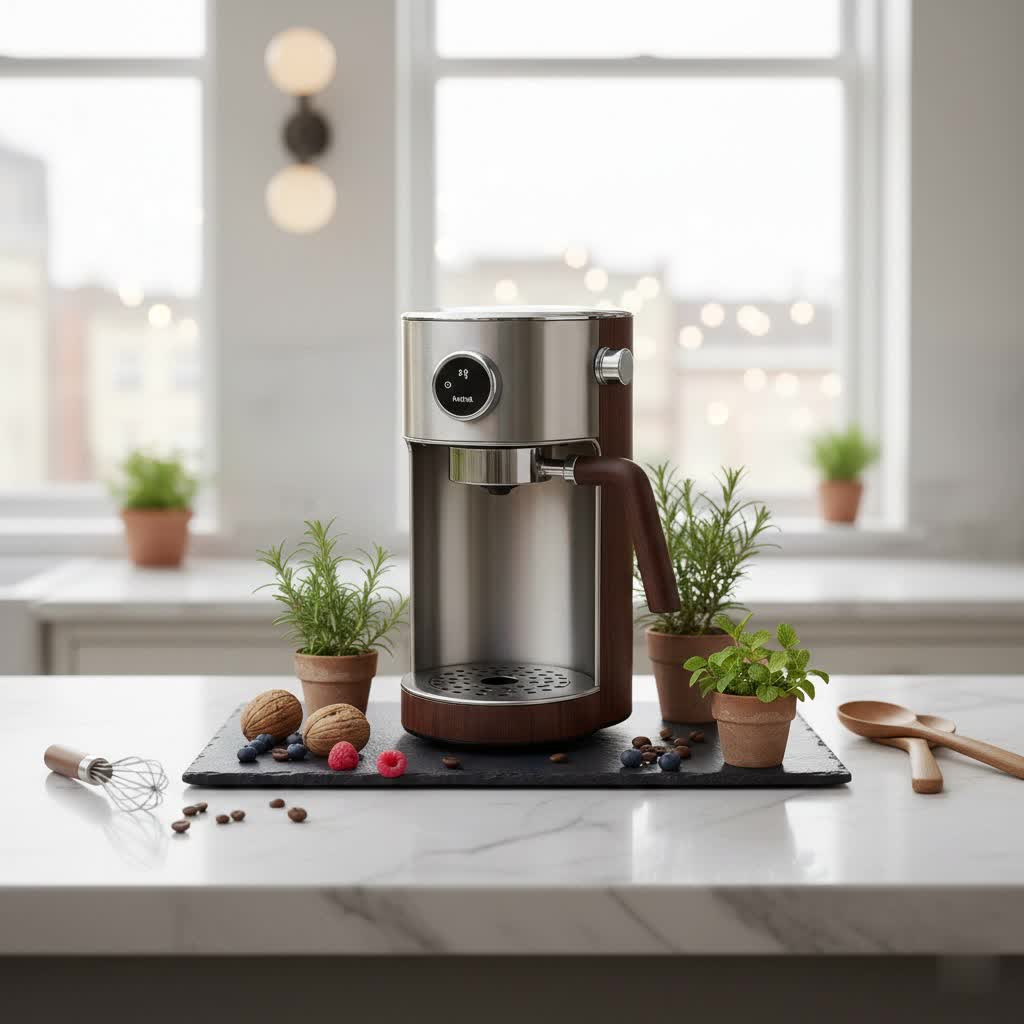
This comprehensive guide will navigate the complex world of coffee and espresso makers, from exploring different types and their unique capabilities to dissecting crucial features and providing actionable buying advice. We’ll delve into the nuances that distinguish a true espresso from a coffee concentrate, highlight top considerations for your purchase, and share essential tips for maintenance and brewing. By the end, you’ll be equipped with the knowledge to select a coffee and espresso maker that perfectly aligns with your lifestyle and taste preferences, transforming your kitchen into your personal café.
Understanding Coffee and Espresso Makers: A Comprehensive Guide
The market for coffee and espresso makers is vast and varied, offering solutions for every type of coffee drinker. Understanding the distinctions between these machines is the first step toward finding your ideal brewing companion.
Popular Types of Coffee and Espresso Makers
While many machines claim versatility, they often excel in different areas, catering to distinct user needs.
- Drip Coffee Makers: These are the workhorses of many homes, known for their simplicity and ability to brew large quantities of coffee. Hot water drips over ground coffee, flowing into a carafe. They are straightforward and excellent for families or those needing multiple cups throughout the day.
- Single-Serve Machines: Valued for convenience and variety, these coffee makers use pods or capsules to brew one cup at a time. Brands like Nespresso and Keurig fall into this category, offering a wide range of flavors and quick preparation, ideal for individual drinkers or households with diverse tastes.
- Specialty Coffee Machines: This category encompasses methods like French Press, AeroPress, and Pour Over. They appeal to coffee enthusiasts who enjoy a more hands-on approach and seek nuanced flavors. While not “espresso machines” in the traditional sense, the AeroPress can produce a concentrated, espresso-like shot.
- Manual Espresso Machines: For the purist, manual machines offer complete control over every aspect of espresso making, from grinding and tamping to manually pressing water through the coffee. This labor-intensive process offers unparalleled control and a deeply rewarding experience for dedicated home baristas.
- Semi-Automatic Espresso Machines: Striking a balance between control and convenience, semi-automatic espresso machines automate water pressure while still requiring the user to grind, tamp, and initiate/stop the espresso shot. They are a popular choice for those who enjoy the craft of espresso without the full manual effort.
- Automatic Espresso Machines: These machines take automation a step further, handling most of the process including grinding, tamping, and brewing. You simply fill the bean hopper and water reservoir and select your desired settings. They are ideal for consistent, quality espresso with less manual intervention.
- Super-Automatic Espresso Machines: The pinnacle of convenience, super-automatic coffee and espresso makers handle virtually every step with the touch of a button. They often include built-in burr grinders and automatic milk frothers, delivering a range of beverages from regular coffee to lattes and cappuccinos in seconds. While the most expensive, they offer unparalleled ease of use.
- Combination Coffee and Espresso Machines: These are designed to provide both drip coffee and espresso capabilities in a single unit, saving counter space. Some feature distinct sides for each function, allowing for simultaneous brewing, while others may offer espresso-style concentrates rather than true high-pressure espresso.
- Moka Pot (Stovetop Espresso Maker): A classic, affordable option that produces a strong, espresso-like coffee through steam pressure on the stovetop. While not true espresso, it delivers a rich, concentrated brew that many enjoy.
|
Our Picks for the Best Coffee Maker in 2026
As an Amazon Associate I earn from qualifying purchases.
|
||
| Num | Product | Action |
|---|---|---|
| 1 | Veken French Press Coffee Maker 34oz,No Plastic Touching Cafe,Thickened Borosilicate Glass Stainless Steel Brewer,Cold Brew Cafetera Teapot for Kitchen Travel Camping,Gifts,Bar Accessories,Dark Pewter |

|
| 2 | Cuisinart 14-Cup Coffee Maker, Programmable PerfecTemp Glass Carafe Coffee Machine with 1-4 Cup Setting, Brew Strength Control and Brew Pause, Stainless Steel, DCC-3200NAS |
|
| 3 | Mueller 12-Cup Drip Coffee Maker - Borosilicate Carafe, Auto-Off, Reusable Filter, Anti-Drip, Keep-Warm Function, Clear Water Level Window Coffee Machine, Kitchen Essentials & Accessories |
|
| 4 | BLACK+DECKER 12-Cup Digital Coffee Maker, Programmable, Washable Basket Filter, Sneak-A-Cup, Auto Brew, Water Window, Keep Hot Plate, Black |
|
| 5 | Newdehanm Pour Over Coffee Dripper & Filter, Reusable Paperless Clever Dripper Automatic Drip Coffee and Tea Maker with Immersion Extraction, BPA-Free, 21oz Home Brewing |
|
| 6 | Elite Gourmet EHC4128 Automatic 4-Cup Brew & Drip Coffee Maker with Pause N Serve, Glass Carafe, Reusable Filter, On/Off Switch, Keep Warm, Water Level Indicator, Black |
|
| 7 | Hamilton Beach 2-Way Programmable Coffee Maker, 12 Cup Glass Carafe And Single Serve Coffee Maker, Black with Stainless Steel Accents, 49980RG |
|
| 8 | Ninja 12-Cup Programmable Coffee Brewer, 2 Brew Styles, Adjustable Warm Plate, 60oz Water Reservoir, Delay Brew - Black/Stainless Steel |
|
| 9 | Keurig K-Express Single Serve Coffee Maker – Strong Brew Option, 42oz Reservoir, Sleek Design for Holiday Hosting & Gifting, Black |
|
| 10 | Xeoca Commercial Coffee Urn, 100 Cup Coffee Maker and Hot Water Urn, 1500W Fast-Brewing Percolator for Business, Parties, Catering, and Large Gatherings (100 Cups) |
|
Key Features to Consider When Buying Your Machine
Choosing the right coffee and espresso maker goes beyond selecting a type; it involves evaluating specific features that impact performance, convenience, and the overall brewing experience.
- Brewing Capacity: Consider your daily consumption. Single-serve machines are perfect for one or two cups, while multi-cup carafes (e.g., 10-cup) are better for families or entertaining guests.
- Size and Footprint: Kitchen counter space is often a premium. Measure your available area to ensure your chosen machine fits comfortably without overcrowding your kitchen.
- Customization Features: For those particular about their brew, look for options like adjustable brew strength, temperature control, and water-to-coffee ratios. Programmable settings (like auto-on/off or pre-infusion) can greatly enhance convenience and flavor.
- Built-in Grinder: A built-in burr grinder ensures the freshest coffee, as beans are ground just before brewing. This significantly impacts flavor and aroma, especially for espresso. If a machine lacks this, a separate quality grinder is essential.
- Milk Frother/Steam Wand: Essential for lattes, cappuccinos, and other milk-based drinks. Options range from manual steam wands, which offer barista-level control for microfoam, to automatic frothers that simplify the process.
- Pressure System: For true espresso, a machine should ideally deliver at least 15 bars of pressure. While some brands advertise higher bars, anything beyond 15 is often considered superfluous for home use. Machines producing “coffee concentrate” typically operate at lower pressures.
- Grounds or Pods Compatibility: Decide between the superior flavor and cost-effectiveness of freshly ground coffee versus the convenience and cleanliness of pre-packaged pods. Some combo machines offer both, but often with trade-offs in quality for one method.
- Ease of Cleaning & Maintenance: Regular cleaning is vital for both taste and longevity. Look for machines with removable water tanks, drip trays, and brew units. Features like descaling alerts and self-cleaning cycles can simplify maintenance. For espresso machines, understanding the backflushing process is important.
- Durability and Warranty: A coffee and espresso maker is an investment. Opt for machines made from high-quality materials and backed by a solid warranty and responsive customer service for peace of mind.
- Price and Budget: Set a realistic budget. While it’s tempting to go for the cheapest option, investing a bit more upfront often translates to better durability, performance, and overall satisfaction in the long run.
Comparing Top Coffee and Espresso Combo Machines
Combination coffee and espresso makers vary widely in their design and functionality, each offering a unique set of advantages and disadvantages. Here’s a comparison of common types you’ll encounter:
| Feature | All-in-One Combo (Dual Systems) | Super-Automatic Espresso & Coffee | Pod-Based Combo (e.g., Nespresso Vertuo) | Semi-Automatic Espresso + Drip Coffee |
|---|---|---|---|---|
| Price Range | Mid-High | High to Premium | Low-Mid | Mid (for espresso) + Low (for drip) |
| Type | Dedicated drip coffee & espresso sides | Fully automatic, bean-to-cup | Capsule-based, varied brew sizes | Manual espresso process + separate drip brew |
| Grinder | Usually No (requires separate grinder) | Yes (built-in burr grinder) | No (uses pre-ground in pods) | No (separate grinder essential for espresso) |
| Milk Frother | Yes (often manual steam wand) | Yes (automatic milk system) | Yes (integrated or separate frother) | Yes (manual steam wand) |
| Espresso Quality | Good to Very Good | Excellent (café-quality) | Good (espresso-style concentrate) | Excellent (with skill) |
| Drip Coffee Quality | Good to Excellent | Moderate (often Americano-like) | Good | Excellent |
| Ease of Use | Moderate (manual portafilter, drip setup) | Very High (one-touch operation) | Very High (pop in pod, press button) | Moderate (espresso requires learning) |
| Counter Space | Moderate (integrated design) | Moderate (all-in-one footprint) | Compact | High (effectively two machines) |
| Key Advantage | Simultaneous brewing, space-saving | Ultimate convenience, consistent quality | Speed, variety, minimal cleanup | Full control over espresso, cost-effective drip |
| Key Disadvantage | Can have a learning curve, potential for leaks | High initial cost, drip coffee may be secondary | Ongoing pod cost, limited espresso customization | Requires more counter space, two separate workflows |
> “The true value of a combo machine lies in its ability to consistently deliver both quality drip and legitimate espresso, not just one at the expense of the other.” – Admin, ReviewMyDC.com
For example, the De’Longhi All-in-One Coffee and Espresso Maker offers distinct sections for drip coffee and espresso, allowing simultaneous brewing. It excels in drip coffee and produces above-average espresso, making it a strong contender for those who equally enjoy both. In contrast, Ninja Specialty Coffee Makers are celebrated for their versatility in brewing various coffee styles, including iced coffee and concentrated shots for specialty drinks, but it’s important to note they produce coffee concentrate, not true high-pressure espresso. For ultimate convenience, super-automatic machines like the De’Longhi Dinamica Plus offer café-quality espresso and a wide range of milk-based drinks with a built-in grinder, though their drip coffee might be less impressive.
Buying Guide: Making the Right Choice for Your Home
Navigating the options can be daunting, but a structured approach will help you choose the best coffee and espresso maker for your needs.
Step 1: Assess Your Coffee Habits and Preferences.
Begin by reflecting on your daily coffee routine. How many cups do you drink, and what types of beverages do you prefer (e.g., quick espresso, full pot of drip, milky lattes)? Do you prioritize speed and convenience, or do you enjoy the ritual of manual brewing? Considering these factors will help narrow down the machine type that best suits your lifestyle.
Step 2: Define Your Budget and Space.
Establish a realistic budget, remembering that higher upfront costs can sometimes indicate better durability and performance. Also, measure your available counter space to ensure the machine you select fits without cluttering your kitchen.
Step 3: Prioritize Key Features.
List the features that are non-negotiable for you. Is a built-in grinder essential for fresh beans? Do you need an automatic milk frother for daily lattes? Or is precise temperature control more important for perfecting your espresso shots? Prioritizing these will guide your search.
Step 4: Read Reviews and Compare.
Once you have a clearer idea of your desired features, research different models and brands. Look for comprehensive reviews from both experts and users to get a balanced view of performance, ease of use, and durability. Pay attention to feedback regarding the quality of both coffee and espresso output.
Step 5: Consider Long-Term Costs.
Factor in the ongoing cost of supplies. Pod-based systems offer convenience but often incur higher long-term expenses compared to buying whole beans. Also, consider the availability and cost of replacement parts and descaling solutions.
Step 6: Don’t Forget the Grinder.
For any espresso machine that doesn’t have one built-in, a high-quality burr grinder is an absolute necessity. A good grinder is often more critical for the quality of your espresso than the machine itself, as consistent grind size is key to proper extraction.
Tips for Using and Maintaining Your Coffee and Espresso Maker
Proper use and regular maintenance are crucial for extending the life of your coffee and espresso maker and ensuring consistently delicious beverages.
- Proper Use: Always refer to your machine’s manual for specific instructions. For espresso, use a fine grind size; if it’s too coarse, your espresso will be weak and watery. Ensure the portafilter is properly packed and locked in place.
- Cleaning:
- Daily Rinsing: After each use, rinse the portafilter, steam wand, and drip tray to prevent coffee residue and milk buildup.
- Regular Descaling: Mineral residue from water can build up over time, affecting performance and taste. Descale your machine every one to three months, depending on your water hardness and usage. Many manufacturers sell specialized descaling solutions, or you can use a vinegar solution (check your manual first).
- Backflushing: For espresso machines with a traditional group head, backflushing is essential for deep cleaning. This involves using a blind filter in the portafilter and running the brew cycle several times to clear out trapped coffee grounds. Perform this weekly for optimal performance.
- Water Quality: Using filtered or soft water can significantly reduce mineral buildup and the frequency of descaling, in addition to improving the taste of your coffee.
Delicious Coffee & Espresso Recipes to Try at Home
With your new coffee and espresso maker, you can easily recreate your favorite café drinks.
- Classic Drip Coffee: For a perfectly balanced brew, aim for a ratio of 1:15 to 1:18 (coffee to water). For example, use 2 tablespoons (about 10-12g) of medium-ground coffee per 6 ounces (177ml) of water.
- Perfect Espresso Shot: Use freshly ground, finely-ground dark roast beans. Aim for about 18-20 grams of coffee to yield a 1.5-2 ounce (45-60ml) shot in 25-30 seconds, characterized by a rich, dark body and a velvety crema on top.
- Creamy Latte: Pull a single or double espresso shot directly into your mug. Steam 4-6 ounces of milk (whole milk works best for texture) using your machine’s steam wand or frother until it’s hot and velvety with a thin layer of microfoam. Pour the steamed milk over the espresso, holding back the foam slightly with a spoon, then top with a dollop of foam.
- Foamy Cappuccino: Start with a single or double espresso shot. Steam milk to create a thicker, more voluminous foam than a latte, aiming for equal parts espresso, steamed milk, and foam. Pour the steamed milk and foam over the espresso.
- Refreshing Iced Americano: Pull two shots of espresso. Fill a glass with ice and add cold water. Pour the espresso over the water and ice. Adjust the water-to-espresso ratio to your taste for a revitalizing cool drink.
Where to Purchase Your Coffee and Espresso Maker
You can find coffee and espresso makers at a variety of retailers, both online and in brick-and-mortar stores.
- Online Retailers: Websites like Amazon, Wayfair, and the manufacturers’ official sites (e.g., De’Longhi, Nespresso) offer extensive selections, competitive pricing, and user reviews. Be sure to check return policies and warranty information when buying online.
- Specialty Kitchen Stores: Stores such as Sur La Table often have knowledgeable staff who can provide hands-on demonstrations and expert advice.
- Department Stores: Major retailers like Target and Williams Sonoma also carry a range of popular coffee and espresso maker brands.
When purchasing online, always verify the seller’s reputation and ensure the product comes with a full manufacturer’s warranty.
Conclusion
Choosing the right coffee and espresso maker is an investment in your daily happiness and your personal coffee journey. By carefully considering your brewing preferences, understanding the types and features available, and committing to proper maintenance, you can find a machine that brings the authentic café experience directly to your home. Whether you prioritize the speed of a super-automatic, the control of a semi-automatic, or the versatility of an all-in-one combo, the perfect brew is within your reach.
What does your ideal coffee moment look like?
Frequently Asked Questions
What is the difference between true espresso and coffee concentrate?
True espresso is made by forcing highly pressurized hot water (ideally 9 bars at the brew head, usually from a 15-bar pump) through finely-ground, compacted coffee, resulting in a concentrated shot with a rich crema. Coffee concentrate, often produced by specialty coffee makers, is made with lower pressure, more akin to a strong drip coffee.
How often should I descale my coffee and espresso maker?
It is generally recommended to descale your machine every 1 to 3 months, depending on the hardness of your water and how frequently you use the appliance. Regular descaling prevents mineral buildup, which can affect taste and machine performance.
What is the best type of water to use for coffee?
Filtered or soft water is generally recommended for brewing coffee and espresso. Hard water, rich in minerals, can lead to faster buildup in your machine and alter coffee flavor. However, water with a moderate mineral content is necessary for optimal flavor extraction, so overly distilled water can also result in a weaker, less flavorful cup.
What is a portafilter?
A portafilter is the handheld device with a basket that attaches to an espresso machine, holding the ground coffee during the brewing process. It’s crucial for generating the pressure needed to extract espresso. Portafilters come in pressurized (beginner-friendly) and non-pressurized (more control for experienced users) varieties.
