Imagine waking up to the rich, intoxicating aroma of freshly ground coffee, a ritual that signals the perfect start to your day. For coffee enthusiasts, this isn’t just a dream; it’s an everyday reality made possible by a grind and brew coffee maker. These ingenious machines integrate both the grinding and brewing processes, transforming whole beans into a steaming cup of perfection right before your eyes, ensuring every sip is as fresh as can be.
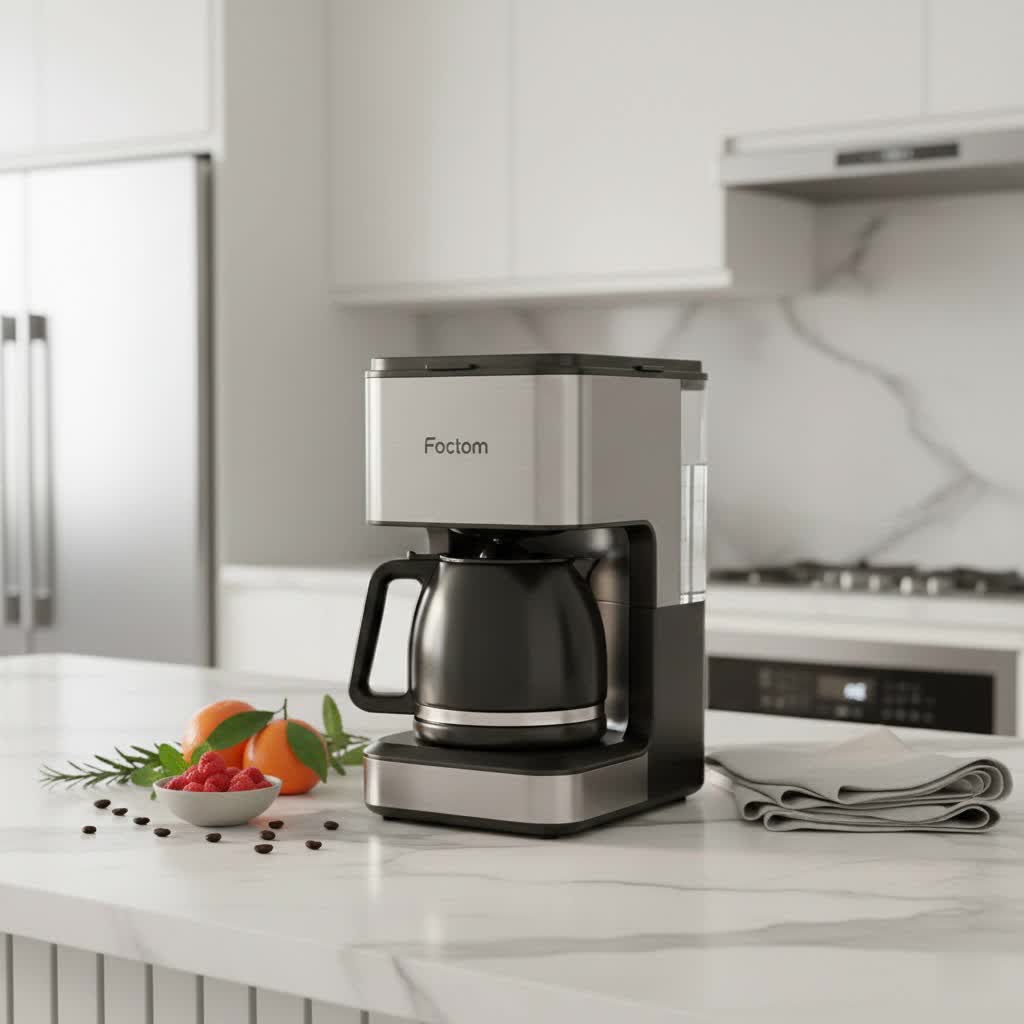
The appeal of an all-in-one coffee solution is undeniable. It promises convenience, saves precious counter space, and delivers the unparalleled taste that only freshly ground beans can offer. If you’re ready to elevate your home coffee experience, understanding these versatile appliances is your first step.
What is a Grind and Brew Coffee Maker?
A grind and brew coffee maker is a single appliance that combines a coffee grinder and a coffee brewing system. Instead of needing a separate grinder and then transferring grounds to a traditional coffee maker, these machines automate the entire process. You simply add whole beans and water, select your preferences, and the machine handles the grinding, dosing, and brewing, delivering a fresh cup with minimal effort. This integrated approach is designed for convenience and to maximize flavor by ensuring the coffee is ground moments before brewing.
How Grind and Brew Coffee Makers Work
The magic of a grind and brew coffee maker lies in its seamless, automated process that brings the freshest coffee to your mug. The journey from bean to brew typically involves several key stages:
- Bean Hopper and Grinding: Whole coffee beans are loaded into a dedicated hopper. When you initiate the brewing cycle, the machine feeds these beans into an integrated grinder. For optimal flavor and consistency, look for models featuring burr grinders (either conical or flat). Burr grinders uniformly mill the beans into consistently sized particles, which is crucial for balanced extraction. In contrast, cheaper blade grinders chop beans unevenly, leading to a mix of fine dust and large chunks that results in an inferior, often bitter or sour, brew.
- Dosing and Transfer: After grinding, the freshly ground coffee is precisely dosed and transferred into the brew basket. This automated measurement aims to ensure the correct coffee-to-water ratio for your selected strength, though some built-in systems can be less accurate than external scales.
- Water Heating and Delivery: Water from the reservoir is heated to the ideal brewing temperature, typically between 195°F and 205°F (90-96°C). This temperature range is vital for extracting the complex flavors and aromatic compounds from the coffee grounds. The heated water is then evenly dispersed over the grounds in the brew basket, usually through a showerhead mechanism.
- Extraction and Filtration: As the hot water saturates the coffee grounds, it extracts the soluble compounds, creating the rich liquid we know as coffee. This liquid then drips through a filter (often a gold-tone permanent filter or a paper filter) into the carafe below.
- Serving: Once the brewing cycle is complete, your fresh, aromatic coffee is ready to be enjoyed. Many machines offer features like brew pause, allowing you to pour a cup before the entire pot is finished.
Pros and Cons of Grind and Brew Coffee Makers
While grind and brew coffee makers offer undeniable appeal, it’s important to weigh their advantages against their potential drawbacks.
Advantages:
- Unrivaled Freshness: The primary benefit is grinding beans immediately before brewing. This preserves essential oils and aromatic compounds that begin to degrade quickly after grinding due to oxidation, resulting in a significantly fresher and more flavorful cup of coffee. As Paul Melotte, owner of Mōzza Coffee Roasters, states, “Freshly ground coffee retains more essential oils and aromatic compounds.”
- Exceptional Convenience: These machines automate the entire process from whole bean to brewed coffee. Many models are programmable, allowing you to wake up to a fresh pot ready and waiting with minimal morning effort. You simply add beans and water, set a timer, and let the machine do the work.
- Space-Saving Design: Combining a grinder and a brewer into one unit means less clutter on your kitchen counter and only one electrical outlet needed, which is ideal for smaller kitchens.
- Reduced Mess: Without the need to transfer grounds from a separate grinder, you’ll experience a cleaner coffee-making process with fewer rogue grounds escaping onto your countertop.
|
Our Picks for the Best Coffee Maker in 2026
As an Amazon Associate I earn from qualifying purchases.
|
||
| Num | Product | Action |
|---|---|---|
| 1 | Cuisinart 14-Cup Coffee Maker, Programmable PerfecTemp Glass Carafe Coffee Machine with 1-4 Cup Setting, Brew Strength Control and Brew Pause, Stainless Steel, DCC-3200NAS |

|
| 2 | Newdehanm Pour Over Coffee Dripper & Filter, Reusable Paperless Clever Dripper Automatic Drip Coffee and Tea Maker with Immersion Extraction, BPA-Free, 21oz Home Brewing |
|
| 3 | Keurig K-Express Single Serve Coffee Maker – Strong Brew Option, 42oz Reservoir, Sleek Design for Holiday Hosting & Gifting, Black |
|
| 4 | Xeoca Commercial Coffee Urn, 100 Cup Coffee Maker and Hot Water Urn, 1500W Fast-Brewing Percolator for Business, Parties, Catering, and Large Gatherings (100 Cups) |
|
| 5 | BLACK+DECKER 12-Cup Digital Coffee Maker, Programmable, Washable Basket Filter, Sneak-A-Cup, Auto Brew, Water Window, Keep Hot Plate, Black |
|
| 6 | Elite Gourmet EHC4128 Automatic 4-Cup Brew & Drip Coffee Maker with Pause N Serve, Glass Carafe, Reusable Filter, On/Off Switch, Keep Warm, Water Level Indicator, Black |
|
| 7 | Ninja 12-Cup Programmable Coffee Brewer, 2 Brew Styles, Adjustable Warm Plate, 60oz Water Reservoir, Delay Brew - Black/Stainless Steel |
|
| 8 | Mueller 12-Cup Drip Coffee Maker - Borosilicate Carafe, Auto-Off, Reusable Filter, Anti-Drip, Keep-Warm Function, Clear Water Level Window Coffee Machine, Kitchen Essentials & Accessories |
|
| 9 | Hamilton Beach 2-Way Programmable Coffee Maker, 12 Cup Glass Carafe And Single Serve Coffee Maker, Black with Stainless Steel Accents, 49980RG |
|
| 10 | Veken French Press Coffee Maker 34oz,No Plastic Touching Cafe,Thickened Borosilicate Glass Stainless Steel Brewer,Cold Brew Cafetera Teapot for Kitchen Travel Camping,Gifts,Bar Accessories,Dark Pewter |
|
Disadvantages:
- Grinder Quality and Control: Built-in grinders often do not match the precision and adjustability of high-quality standalone burr grinders. This can limit your control over grind size, which is critical for optimizing extraction for different coffee types or brew strengths. Some internal grinders, particularly blade types, can produce inconsistent grinds.
- Brewing Temperature Inconsistency: Some grind and brew machines, especially those with lower wattage, struggle to reach and consistently maintain the optimal brewing temperature range (195-205°F). This can lead to under-extracted (sour) or over-extracted (bitter) coffee.
- Potential for Breakage: With more integrated moving parts, there’s a higher chance that if one component (either the grinder or the brewer) fails, the entire unit may become unusable. Repairing an integrated unit can also be more complex.
- Cleaning Complexity: The grinding chamber and brew path can accumulate coffee oils and fine grounds, which, if not cleaned regularly, can impact flavor and machine longevity. Cleaning these integrated components can sometimes be more involved than cleaning separate units. As Paul Melotte emphasizes, “Cleaning your coffee equipment is crucial for the quality of your coffee and the health of your machine.”
- Dosing Inaccuracy: Many built-in grinders rely on timed measurements rather than weight, which can lead to inconsistent coffee dosing from batch to batch, affecting the final taste.
Types of Grind and Brew Coffee Makers
Grind and brew coffee makers come in various styles, catering to different preferences and brewing methods. Understanding the main types can help you choose the best fit for your coffee ritual.
Drip Coffee Makers with Integrated Grinder
These are the most common type, combining a burr or blade grinder with a traditional drip brewing system. They are ideal for those who enjoy a classic pot of filtered coffee, offering capacity for multiple cups.
- Characteristics: Typically feature a water reservoir, a filter basket, and a carafe (thermal or glass). Many include programmable timers and strength settings.
- Best for: Everyday coffee drinkers, households needing multiple servings, those who value convenience and a straightforward brewing process.
- Examples: Breville The Grind Control, Cuisinart DGB series.
Espresso Machines with Integrated Grinder
For aficionados of espresso-based drinks, these machines combine an espresso maker with a built-in grinder, often a conical burr grinder. They allow you to pull fresh shots for lattes, cappuccinos, and more.
- Characteristics: Often include a portafilter, steam wand for frothing milk, and advanced pressure systems. Grind settings are usually finer to suit espresso extraction.
- Best for: Espresso lovers, those who want to create cafe-style drinks at home, users who appreciate a balance of automation and control.
- Examples: Breville The Barista Express, Terra Kaffe TK-02.
Single-Serve and Combination Grind and Brew Machines
These versatile machines cater to individual cups or offer the flexibility of both single-serve and full-carafe brewing. Some are compatible with coffee pods in addition to whole beans.
- Characteristics: Smaller footprint for single-serve, often use reusable K-cup style pods or direct grinding for one cup. Combination models provide options for both.
- Best for: Individuals, small households, those who prefer variety or different coffee types throughout the day, or those who appreciate making just one cup at a time.
- Examples: Cuisinart Grind & Brew Single-Serve Coffeemaker, Cuisinart Coffee Center Grind & Brew Plus.
Buying Guide: Essential Factors to Consider
Choosing the right grind and brew coffee maker involves more than just picking a brand. Here are the crucial factors to evaluate to ensure you find a machine that meets your specific needs and preferences.
Budget
Grind and brew coffee makers vary significantly in price, from budget-friendly models under $100 to high-end, super-automatic machines costing well over $1,000.
- Entry-level (Under $150): Often feature blade grinders (less ideal) or basic burr grinders, fewer customization options, and glass carafes. Good for basic convenience and freshness improvement over pre-ground coffee.
- Mid-range ($150-$400): Typically include quality burr grinders, more adjustable settings for grind size and brew strength, and often thermal carafes. This segment offers a good balance of features and performance for most users.
- High-end ($400+): Feature advanced conical burr grinders, precise temperature control, extensive programmability, smart features (Wi-Fi, app control), milk frothing capabilities, and premium build materials. Best for serious coffee aficionados seeking barista-level control and superior quality.
Usage Needs
Consider how much coffee you typically consume and how often.
- Number of Users: A single-serve model is perfect for one person, while a 10-12 cup carafe is suitable for families or those who entertain frequently.
- Frequency: Daily users will benefit from programmable features and robust build quality.
- Coffee Preferences: Do you primarily drink drip coffee, espresso, or a variety of specialty drinks? Your preferred coffee type will dictate the machine type you need.
Grinder Type
This is arguably the most critical factor influencing coffee quality.
- Burr Grinders (Conical or Flat): Highly recommended. They crush coffee beans between abrasive surfaces, producing uniform particles crucial for consistent extraction. Conical burr grinders are common in grind and brew machines and are generally quieter and more affordable than flat burrs.
- Blade Grinders: Avoid if possible. They chop beans with spinning blades, resulting in unevenly sized particles (a mix of fine powder and large chunks). This leads to inconsistent extraction, yielding a muddy, bitter, or sour taste.
Carafe Type
The material of the coffee carafe impacts heat retention and flavor.
- Thermal Carafe: Made of insulated stainless steel, it keeps coffee hot for hours without a warming plate. This prevents the coffee from “scorching” and becoming bitter, preserving flavor.
- Glass Carafe: Sits on a warming plate to keep coffee hot. While it offers visibility of the coffee level, prolonged exposure to the warming plate can degrade coffee flavor over time, leading to a burnt taste.
Programmability & Features
Modern grind and brew machines offer various features to enhance convenience and customization.
- Auto-Start Timer: Allows you to set a time for brewing, so you wake up to fresh coffee.
- Adjustable Grind Settings: Essential for fine-tuning the grind size to match your beans and desired brew strength.
- Brew Strength Control: Lets you select mild, regular, or bold options.
- Single-Serve Option: Provides flexibility to brew just one cup.
- Water Filtration: An integrated filter helps remove impurities from tap water, improving coffee taste and machine longevity.
- “Grind Off” Option: Allows you to use pre-ground coffee if desired.
- Smart Features: Wi-Fi connectivity and app control for remote brewing, customization, and maintenance alerts (found in higher-end models like GE Profile Smart Grind and Brew or xBloom Studio).
Ease of Cleaning
Regular maintenance is key for both flavor and longevity.
- Look for machines with easily removable and dishwasher-safe parts (brew basket, carafe, water reservoir).
- Consider models with dedicated cleaning cycles or simple descaling procedures. Grind chambers need regular brushing and occasional deep cleaning to prevent oil buildup.
Top Grind and Brew Coffee Makers: A Comparison
The market offers several excellent grind and brew coffee makers, each with unique strengths. Here’s a look at some standout models and their key characteristics:
Breville The Grind Control
- Type: Drip Coffee Maker with Integrated Burr Grinder
- Highlights: Consistently highly rated for its precise burr grinder, extensive customization options (grind size, strength, number of cups), and “Steep and Release” technology for optimal extraction temperature. Features an LCD display for easy control and typically comes with an insulated thermal carafe to keep coffee hot. Ideal for those who want hands-on control without the fuss of separate appliances.
- Considerations: Requires calibration for optimal grind, and like many integrated units, it benefits from regular descaling.
Cuisinart Coffee Center Grind & Brew Plus
- Type: Combo Drip and Single-Serve Coffee Maker with Integrated Burr Grinder
- Highlights: Offers excellent versatility, allowing you to brew a full carafe (up to 12 cups) or a single-serve cup using either fresh grounds or K-Cup pods. Features programmable settings and adjustable brew strength. A good “value” option for its range of functions.
- Considerations: Can be on the larger side, requiring ample counter space. Some users report the blade grinder in certain Cuisinart models to be loud and less consistent than burr grinders, though this model specifies a burr grinder.
Breville The Barista Express
- Type: Espresso Machine with Integrated Conical Burr Grinder
- Highlights: A top choice for home espresso enthusiasts, offering a semi-automatic experience. It features a conical burr grinder, precise dosing, and a powerful steam wand for milk frothing. Allows for significant control over grind size and extraction, enabling users to craft cafe-quality espresso drinks.
- Considerations: Has a learning curve, especially for mastering espresso extraction and milk frothing. It’s an investment, but one often praised for its performance.
xBloom Studio / Terra Kaffe TK-02
- Type: Smart Pour-Over / Automatic Espresso & Drip Coffee System with Conical Burr Grinder
- Highlights: Represents the cutting edge with smart connectivity, app control for deep customization (water temperature, grind speed, pouring patterns), and often unique brewing methods like pour-over pods. The Terra Kaffe TK-02 is a super-automatic espresso machine that can also make cold drip coffee and is praised for its quiet operation and self-cleaning cycles.
- Considerations: These are premium, high-end investments. The xBloom can be less intuitive for beginners, while the Terra Kaffe offers less manual control due to its super-automatic nature.
Table Comparison of Key Features (Example Models)
| Feature | Breville The Grind Control | Cuisinart Coffee Center Grind & Brew Plus | Breville The Barista Express |
|---|---|---|---|
| Price (Approx) | $344 | $246 | $495 |
| Type of Machine | Drip Coffee Maker | Drip & Single-Serve Combo | Espresso Machine |
| Grinder Type | Burr (Conical) | Burr | Burr (Conical) |
| Capacity | 12 cups | 12 cups / Single-serve (8-12 oz) | Single shot / Double shot |
| Carafe Type | Thermal | Glass | N/A (Direct to cup) |
| Special Features | “Steep & Release” tech, LCD, Programmable, Grind-off | 2-in-1, K-Cup compatible, Programmable | Steam wand, PID temp control, Pressure gauge, Programmable |
| Ideal For | Drip coffee lovers, customization | Versatility, households, budget-conscious | Espresso enthusiasts, home baristas |
Tips for Using and Maintaining Your Grind and Brew Coffee Maker
To get the best performance and longevity from your machine, follow these expert tips:
Usage Tips:
- Use Fresh, Quality Beans: Even the best machine can’t make bad beans taste good. Store beans in an airtight container in a cool, dark place, not the refrigerator.
- Filter Your Water: Coffee is 98% water. Using filtered water dramatically improves taste and reduces mineral buildup in your machine.
- Experiment with Grind Size and Strength: Most machines offer adjustable settings. A finer grind and bolder strength are generally for espresso or stronger drip, while coarser grinds suit lighter drip or French press styles (if your machine supports bypass).
- Brew Only What You Need: While convenient, letting brewed coffee sit on a warming plate for extended periods can degrade its flavor. Thermal carafes help mitigate this by keeping coffee warm without additional heat.
Maintenance Tips:
- Daily Cleaning of Removable Parts: Wash the brew basket, carafe, and water reservoir with warm, soapy water after each use to prevent oil and residue buildup.
- Regular Grinder Cleaning: Coffee oils and fine particles can accumulate in the grinder chamber, affecting flavor. Use a small brush (often included) to clean the burrs regularly. Periodically, use natural, biodegradable cleaning tablets designed for grinders.
- Descaling is Crucial: Over time, mineral deposits (limescale) from water can build up in the heating element and water tubes, reducing performance and altering taste. Descale your machine every 1-3 months (depending on water hardness and usage) using a descaling solution or a 1:1 mixture of white vinegar and water. Run a brew cycle with the solution, then flush with several cycles of fresh water.
- Replace Water Filters: If your machine has an integrated water filter, replace it according to the manufacturer’s recommendations.
Conclusion
Grind and brew coffee makers offer an enticing blend of convenience and freshness, bringing the delicious taste of freshly ground coffee directly to your cup. While standalone grinders and brewers might offer marginally more control for the most discerning coffee connoisseurs, the modern grind and brew machine has closed much of that gap, making it a compelling choice for many. By prioritizing models with quality burr grinders, appropriate capacity, and thoughtful programmable features, you can confidently select an appliance that transforms your daily coffee ritual into an effortless indulgence.
Remember, the best machine is one that fits your lifestyle and taste preferences. With the right grind and brew coffee maker, you’re not just brewing coffee; you’re crafting an experience, one fresh cup at a time.
What’s your ultimate coffee preference—the rich intensity of espresso or the comforting warmth of a classic drip brew?
Frequently Asked Questions
Are coffee makers with built-in grinders worth the investment?
For many, yes. They offer a significant upgrade in freshness and flavor compared to pre-ground coffee, combined with the convenience of an all-in-one appliance. While some high-end standalone setups might offer more granular control, grind and brew machines provide an excellent balance for daily users seeking quality without complexity. However, some experts argue that investing in a high-quality separate grinder and brewer might yield a superior cup for a similar overall cost, offering more control and durability.
What’s the difference between burr and blade grinders in coffee makers?
Burr grinders use two revolving abrasive surfaces to mill coffee beans into uniform particles, which is essential for consistent flavor extraction. They are highly recommended for quality. Blade grinders, on the other hand, chop beans with spinning blades, resulting in unevenly sized particles that can lead to inconsistent and less desirable coffee flavors. Always opt for a burr grinder if possible.
How often should I clean my grind and brew coffee maker?
Daily cleaning of removable parts (carafe, brew basket) is recommended. The grinder chamber should be brushed clean several times a week, and a deeper clean with specialized tablets should be done monthly. Descaling the internal components is crucial every 1-3 months, depending on your water hardness and how frequently you use the machine. Regular cleaning prevents residue buildup that can impact taste and machine longevity.
Can I use pre-ground coffee in a grind and brew coffee maker?
Most grind and brew coffee makers include a “grind off” feature or a bypass mode that allows you to use pre-ground coffee. This can be convenient if you occasionally want to brew a different type of coffee or if you run out of whole beans. However, using pre-ground coffee will negate the primary freshness benefit of these machines.
