Every morning, the aroma of freshly brewed coffee awakens our senses and sets the tone for the day. But the quality of that first cup hinges significantly on your coffee maker. If you’re seeking a blend of durability, sophisticated style, and superior brewing performance, a stainless steel coffee maker might be the perfect addition to your kitchen arsenal. These machines are not just appliances; they are an investment in your daily ritual, promising consistency and a delightful experience for years to come.
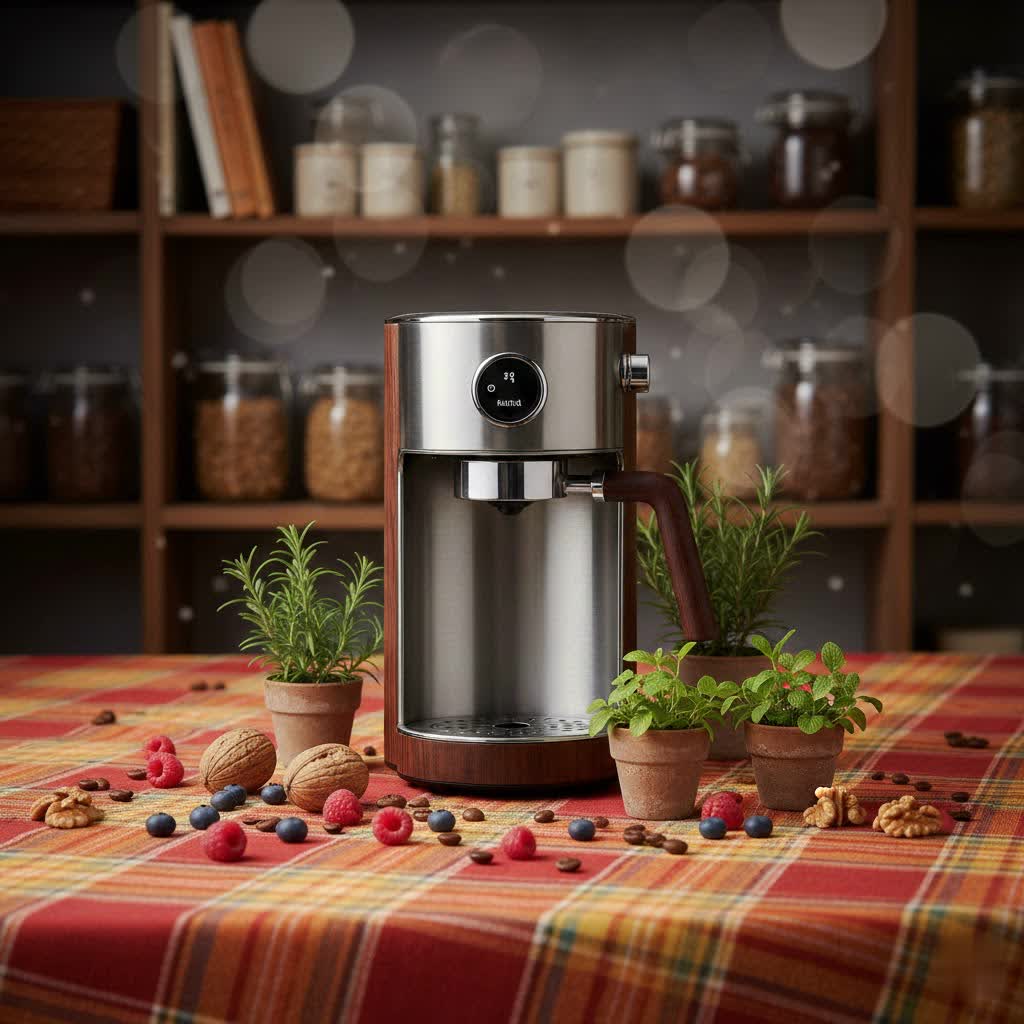
This comprehensive guide will navigate you through the world of stainless steel coffee makers, from understanding their distinct advantages and exploring various types to providing a detailed buying roadmap. We’ll uncover why these resilient machines are favored by coffee enthusiasts and help you choose the ideal model to craft your perfect cup at home.
Unveiling the Stainless Steel Advantage: Why It Stands Out
Choosing a coffee maker material goes beyond aesthetics; it impacts durability, taste, and even health. Stainless steel consistently rises to the top, offering a myriad of benefits that make it a compelling choice for discerning coffee lovers.
Durability and Longevity
|
Our Picks for the Best Coffee Maker in 2026
As an Amazon Associate I earn from qualifying purchases.
|
||
| Num | Product | Action |
|---|---|---|
| 1 | Cuisinart 14-Cup Coffee Maker, Programmable PerfecTemp Glass Carafe Coffee Machine with 1-4 Cup Setting, Brew Strength Control and Brew Pause, Stainless Steel, DCC-3200NAS |

|
| 2 | Newdehanm Pour Over Coffee Dripper & Filter, Reusable Paperless Clever Dripper Automatic Drip Coffee and Tea Maker with Immersion Extraction, BPA-Free, 21oz Home Brewing |
|
| 3 | Mueller 12-Cup Drip Coffee Maker - Borosilicate Carafe, Auto-Off, Reusable Filter, Anti-Drip, Keep-Warm Function, Clear Water Level Window Coffee Machine, Kitchen Essentials & Accessories |
|
| 4 | Elite Gourmet EHC4128 Automatic 4-Cup Brew & Drip Coffee Maker with Pause N Serve, Glass Carafe, Reusable Filter, On/Off Switch, Keep Warm, Water Level Indicator, Black |
|
| 5 | Hamilton Beach 2-Way Programmable Coffee Maker, 12 Cup Glass Carafe And Single Serve Coffee Maker, Black with Stainless Steel Accents, 49980RG |
|
| 6 | BLACK+DECKER 12-Cup Digital Coffee Maker, Programmable, Washable Basket Filter, Sneak-A-Cup, Auto Brew, Water Window, Keep Hot Plate, Black |
|
| 7 | Xeoca Commercial Coffee Urn, 100 Cup Coffee Maker and Hot Water Urn, 1500W Fast-Brewing Percolator for Business, Parties, Catering, and Large Gatherings (100 Cups) |
|
| 8 | Keurig K-Express Single Serve Coffee Maker – Strong Brew Option, 42oz Reservoir, Sleek Design for Holiday Hosting & Gifting, Black |
|
| 9 | Veken French Press Coffee Maker 34oz,No Plastic Touching Cafe,Thickened Borosilicate Glass Stainless Steel Brewer,Cold Brew Cafetera Teapot for Kitchen Travel Camping,Gifts,Bar Accessories,Dark Pewter |
|
| 10 | Ninja 12-Cup Programmable Coffee Brewer, 2 Brew Styles, Adjustable Warm Plate, 60oz Water Reservoir, Delay Brew - Black/Stainless Steel |
|
One of the foremost reasons to opt for stainless steel is its exceptional durability. Unlike plastic or glass counterparts, stainless steel coffee makers are highly resistant to rust, staining, corrosion, and accidental breakage. This robust construction ensures that your investment will withstand the rigors of daily use, offering a significantly longer lifespan and peace of mind compared to more fragile options. [cite: 1-1, 1-5, 3-3, 3-4, 4-1, 4-2, 5-2]
Superior Heat Retention
For many, a truly great cup of coffee means a consistently hot cup. Stainless steel excels in heat retention, often featuring double-walled thermal carafes that keep coffee warm for hours without the need for a scorching hot plate. This not only preserves the ideal drinking temperature but also prevents the dreaded “burnt” taste that can develop when coffee sits on a heating element for too long. A National Coffee Association study indicates that coffee kept in stainless steel maintains its temperature 20% longer than in glass. [cite: 1-1, 1-5, 3-3, 4-1, 4-2, 5-1]
Pure Taste Preservation
Have you ever noticed an odd, metallic, or plastic-like aftertaste in your coffee? With stainless steel, those concerns are largely eliminated. Stainless steel is a non-reactive material, meaning it will not leach undesirable flavors into your brew. This ensures that the authentic, rich flavors and aromas of your chosen coffee beans are perfectly preserved, allowing you to enjoy the full-bodied taste as intended. [cite: 1-4, 3-1, 4-1, 4-4, 5-1]
Health and Safety Considerations
In an era of increasing health consciousness, the materials that come into contact with our food and beverages are more important than ever. Stainless steel is a significantly safer choice compared to certain plastics, especially when exposed to hot water. Plastics can potentially leach harmful chemicals like BPA or PFAS, which are linked to various health concerns. While some “BPA-free” plastic options exist, high-grade stainless steel (such as SS304 or SS316) offers a superior, non-toxic brewing path for your daily coffee. [cite: 5-1, 5-2, 5-3, 5-4, 5-5]
Sleek Aesthetic Appeal
Beyond its practical advantages, a stainless steel coffee maker brings a touch of modern elegance to any kitchen. Its sleek, polished, or brushed finish complements contemporary appliance trends, providing a sophisticated focal point that is both functional and visually appealing. It’s a design choice that speaks volumes about quality and attention to detail. [cite: 1-1, 1-5, 3-3, 4-1]
Ease of Cleaning and Maintenance
Keeping your coffee maker clean is vital for both hygiene and taste. Stainless steel surfaces are smooth and resistant to stains and odors, making them remarkably easy to clean. Most components are simple to wipe down, and many removable parts are dishwasher-safe, simplifying the upkeep and ensuring your machine remains pristine and functional for years. [cite: 1-5, 3-3, 4-1, 4-2]
Types of Stainless Steel Coffee Makers: Finding Your Perfect Brew
The term “coffee maker” encompasses a wide array of brewing devices, and stainless steel finds its place across many popular categories, each offering a unique brewing experience.
Drip Coffee Makers
These are perhaps the most common type of automatic coffee makers. Stainless steel drip machines often feature a robust exterior and, critically, thermal stainless steel carafes. They offer convenience with programmable settings, brew strength options, and the ability to make multiple cups at once, keeping your coffee hot for extended periods. Brands like OXO Brew, Technivorm Moccamaster, and Breville frequently offer high-quality stainless steel drip models. [cite: 2-1, 2-2, 4-3, 4-5]
Espresso Machines
For lovers of rich, concentrated coffee, many high-end and semi-automatic espresso machines boast substantial stainless steel construction. This material is crucial for maintaining precise temperature stability and handling the high pressures required for authentic espresso extraction. Stainless steel is used in boilers, portafilters, and external casings, lending both durability and a professional aesthetic. Breville is a prominent brand known for its stainless steel espresso machines. [cite: 1-2, 2-2, 5-5]
French Press
A manual immersion method, the French press is celebrated for producing full-bodied coffee. Stainless steel French presses are highly durable and, when double-walled, offer excellent heat retention, keeping your brew warm throughout your morning. They are also less prone to breakage than glass versions, making them a popular choice for home and travel.
Moka Pots
This stovetop brewer creates a strong, espresso-like coffee. Traditional Moka pots are often aluminum, but stainless steel versions are increasingly popular due to their durability, non-reactivity, and compatibility with induction cooktops. They provide a simple, classic way to enjoy robust coffee.
Pour Over
While many pour-over devices utilize ceramic or glass, stainless steel pour-over kettles and drippers are also available. Stainless steel gooseneck kettles offer precise water flow control, crucial for an even extraction, and maintain water temperature effectively. Stainless steel drippers are highly durable and non-reactive, ensuring a clean cup.
Your Comprehensive Buying Guide: Factors to Consider
With a clear understanding of the benefits and types, let’s delve into the crucial factors that will guide you in selecting the best stainless steel coffee maker for your needs.
Budget & Investment
Stainless steel coffee makers span a wide price range. Entry-level drip coffee makers can be quite affordable, while high-end espresso machines with advanced features can be a significant investment. Determine your budget upfront, but remember that a durable stainless steel machine often translates to better long-term value due to its longevity and reduced need for replacements.
Brewing Needs & Capacity
Consider how much coffee you typically brew. Do you need a single cup for yourself, or a 12-cup pot for a busy household or office? Stainless steel options range from compact single-serve brewers and Moka pots to large-capacity drip machines. [cite: 1-3, 3-1, 3-3]
Essential Features
- Programmability: Features like delay brew, auto-off, and brew-now options offer convenience for busy mornings.
- Brew Strength Control: Many models allow you to adjust the coffee’s intensity, from mild to bold. [cite: 3-1, 3-2]
- Temperature Control: For optimal extraction and flavor, coffee should brew between 195°F and 205°F. Look for models with precise temperature control or SCA (Specialty Coffee Association) certification, which guarantees these standards. [cite: 1-4, 2-2]
- Built-in Grinder: Some advanced machines integrate grinders for the freshest possible brew, although these tend to be pricier.
- Milk Frother: Essential for espresso lovers who enjoy lattes, cappuccinos, or other milk-based drinks.
Carafe Material: Thermal Stainless Steel vs. Glass
While some stainless steel coffee makers come with glass carafes (sometimes with a stainless steel handle), thermal stainless steel carafes are generally preferred. They are shatter-proof, and their superior insulation keeps coffee hot for much longer without requiring a warming plate, thus preventing the coffee from developing a scorched taste. [cite: 2-1, 2-2, 3-2]
Brand Reputation
Researching reputable brands can provide confidence in your purchase. Companies like OXO, Technivorm Moccamaster, Breville, Cuisinart, Ninja, and Bonavita are frequently cited for their quality stainless steel coffee makers and positive user reviews. [cite: 2-1, 2-2, 3-2, 4-3]
“No Plastic” Considerations
For those prioritizing health and environmental concerns, look for machines that minimize plastic contact with hot water. While truly 100% plastic-free automatic drip coffee makers are rare, many high-quality stainless steel models use minimal plastic, often BPA-free or in non-contact areas. Manual brewers like French presses and pour-overs often offer the most plastic-free options. [cite: 4-4, 5-1, 5-4, 5-5]
Top Stainless Steel Coffee Maker Models: A Closer Look
When exploring the market, you’ll encounter a range of excellent stainless steel coffee makers. Here’s a general overview of characteristics you can expect from top-rated machines in various categories:
| Feature | Stainless Steel Drip Maker (e.g., OXO Brew) | Stainless Steel Espresso Machine (e.g., Breville Barista Express) | Stainless Steel French Press (e.g., Espro P7) |
|---|---|---|---|
| Price Range | Mid-range ($100-$300) | High-end ($500-$1000+) | Low to Mid-range ($40-$150) |
| Brew Type | Drip | Espresso, Steamed Milk | Immersion |
| Capacity | 8-12 cups | 1-2 shots (plus water tank) | 2-8 cups |
| Special Features | Programmable, thermal carafe, brew strength | Built-in grinder, milk frother, pressure gauge | Double-wall insulation, micro-filters |
| Overall Rating | Excellent for daily convenience, hot coffee | Barista-quality drinks, versatile, hands-on control | Rich, full-bodied coffee, portable, durable |
Mastering Your Machine: Usage and Maintenance Tips
To ensure your stainless steel coffee maker performs optimally and lasts for years, proper usage and diligent maintenance are key.
Optimal Use
- Water Quality: Always use filtered water to prevent mineral buildup and ensure the best coffee taste.
- Coffee-to-Water Ratio: A general guideline is 1:16 (one part coffee to sixteen parts water), but adjust to your preference.
- Pre-heating: For French presses and pour-overs, pre-heating the carafe or mug can help maintain brew temperature.
- Freshly Ground Beans: Grind your beans just before brewing for the freshest flavor.
Cleaning & Descaling
Regular cleaning prevents oil residue and mineral buildup, which can impact taste and machine longevity.
- Daily Cleaning: Wash the carafe, filter basket, and any removable parts with warm, soapy water after each use.
- Weekly Cleaning: Wipe down the exterior with a damp cloth. For stainless steel, use a microfiber cloth to prevent streaks.
- Descaling: Hard water can lead to mineral buildup. Descale your machine every 1-3 months, depending on water hardness and usage, using a descaling solution or a vinegar-and-water mixture (check manufacturer instructions). This maintains brewing temperature and flow. [cite: 3-3]
Troubleshooting Common Issues
- Burnt Taste: Often due to coffee sitting on a hot plate for too long. A thermal carafe or turning off the machine promptly can solve this.
- Slow Drip/Weak Brew: Could indicate mineral buildup requiring descaling, or an incorrect grind size.
- Leaking: Check seals, gaskets, and ensure all parts are correctly assembled.
Elevate Your Brew: Simple Coffee Recipes at Home
Your stainless steel coffee maker is a gateway to diverse coffee experiences. Here are a few simple recipes to get you started:
Basic Drip Coffee Recipe
- Water: Fill your coffee maker’s reservoir with filtered water according to your desired cups.
- Coffee: Add 2 tablespoons of medium-ground coffee per 6 ounces of water to the filter basket.
- Brew: Start the machine and enjoy your consistently hot, flavorful coffee from the thermal carafe.
Simple Espresso Drink (e.g., Latte)
- Espresso: Pull a double shot of espresso using your stainless steel espresso machine.
- Milk: Steam about 6-8 ounces of cold milk using the machine’s frothing wand until it reaches your desired temperature and texture.
- Combine: Pour the steamed milk over your espresso, top with a thin layer of foam, and enjoy a cafe-quality latte at home.
Iced Coffee Variation
- Brew Stronger: Brew your favorite coffee at a stronger concentration than usual (e.g., 2.5 tablespoons per 6 ounces) to account for dilution.
- Cool: Let the coffee cool to room temperature.
- Serve: Fill a glass with ice, pour the cooled coffee over it, and add milk or sweetener to taste.
Where to Buy Your Stainless Steel Coffee Maker
Finding a reputable source for your new coffee maker is as important as choosing the right model.
- Online Retailers: Websites like Amazon, Williams Sonoma, and manufacturer sites (e.g., Breville, OXO) offer vast selections and customer reviews.
- Specialty Coffee Stores: These stores often carry high-end models and provide expert advice.
- Department and Appliance Stores: Major retailers typically have a range of popular stainless steel coffee makers.
When buying online, always read recent customer reviews, compare warranties, and check the return policy to ensure a smooth purchase experience.
Detailed Stainless Steel Coffee Maker Buying Guide
Ready to make your decision? Follow these steps to confidently choose your perfect stainless steel coffee maker:
Step 1: Assess Your Coffee Habits and Budget.
How much coffee do you drink daily? What’s your preferred brewing method? How much are you willing to invest in a machine that will last? Answering these questions will narrow your focus.
Step 2: Explore Brewing Methods and Stainless Steel Options.
Consider if a drip machine, espresso maker, French press, Moka pot, or pour-over best suits your lifestyle and taste preferences. Look specifically for models with significant stainless steel components.
Step 3: Prioritize Key Features and Carafe Type.
Decide which features are non-negotiable (e.g., programmability, brew strength, SCA certification) and whether a thermal stainless steel carafe is essential for maintaining coffee temperature.
Step 4: Read Reviews and Consider Brands.
Consult independent reviews and look for consistent positive feedback on durability, performance, and ease of use. Brands like Technivorm Moccamaster are known for exceptional longevity and replaceable parts. [cite: 2-2]
Step 5: Check for Non-Toxic Materials and Warranty.
Verify that the stainless steel is food-grade and that plastic components are minimal and BPA-free. A good warranty signifies the manufacturer’s confidence in their product’s quality.
Conclusion
A stainless steel coffee maker is more than just a kitchen appliance; it’s a commitment to superior coffee, enduring quality, and a healthier brewing experience. Its unmatched durability, exceptional heat retention, and ability to preserve the pure taste of your coffee set it apart from other materials. By making a thoughtful choice, you’re investing in countless mornings of delicious, perfectly brewed coffee, tailored to your preferences.
So, are you ready to elevate your daily coffee ritual with the lasting beauty and performance of a stainless steel coffee maker?
Frequently Asked Questions
Is stainless steel better than glass for coffee makers?
Generally, yes. Stainless steel carafes are significantly more durable, less prone to breakage, and offer superior heat retention, keeping coffee hot for longer periods without scorching. [cite: 3-3, 4-2, 5-1]
Are all stainless steel coffee makers plastic-free?
No, not all. While many components are stainless steel, some automatic models may still incorporate plastic in water reservoirs or internal tubing. For truly minimal plastic, manual brewers like French presses or pour-overs are often better options. [cite: 5-4, 5-5]
How often should I clean my stainless steel coffee maker?
Daily cleaning of removable parts and wiping the exterior is recommended. For descaling to remove mineral buildup, aim for every 1 to 3 months, depending on your water hardness and how frequently you use the machine.
Does stainless steel affect coffee taste?
No, high-quality stainless steel is non-reactive and does not impart any unwanted flavors to your coffee. In fact, its excellent heat retention helps preserve the coffee’s original taste and aroma. [cite: 1-5, 3-1, 4-1]
What’s the ideal temperature for brewing coffee in a stainless steel maker?
The Specialty Coffee Association (SCA) recommends brewing coffee between 195°F and 205°F (90.5°C to 96°C) for optimal extraction and flavor. Many high-quality stainless steel coffee makers are designed to achieve and maintain this temperature range.
