For many coffee enthusiasts, the Percolator Coffee Maker evokes a sense of nostalgia, bringing back memories of robust, aromatic brews enjoyed in simpler times. While modern brewing methods have taken center stage, the humble percolator retains a passionate following, celebrated for its unique flavor profile and straightforward operation. If you’re looking to rediscover this classic brewing art or simply understand what makes it tick, you’ve come to the right place. This comprehensive guide will explore everything from how percolators work to choosing the best model for your needs and mastering the art of the perfect percolated cup.
Understanding the Percolator Coffee Maker
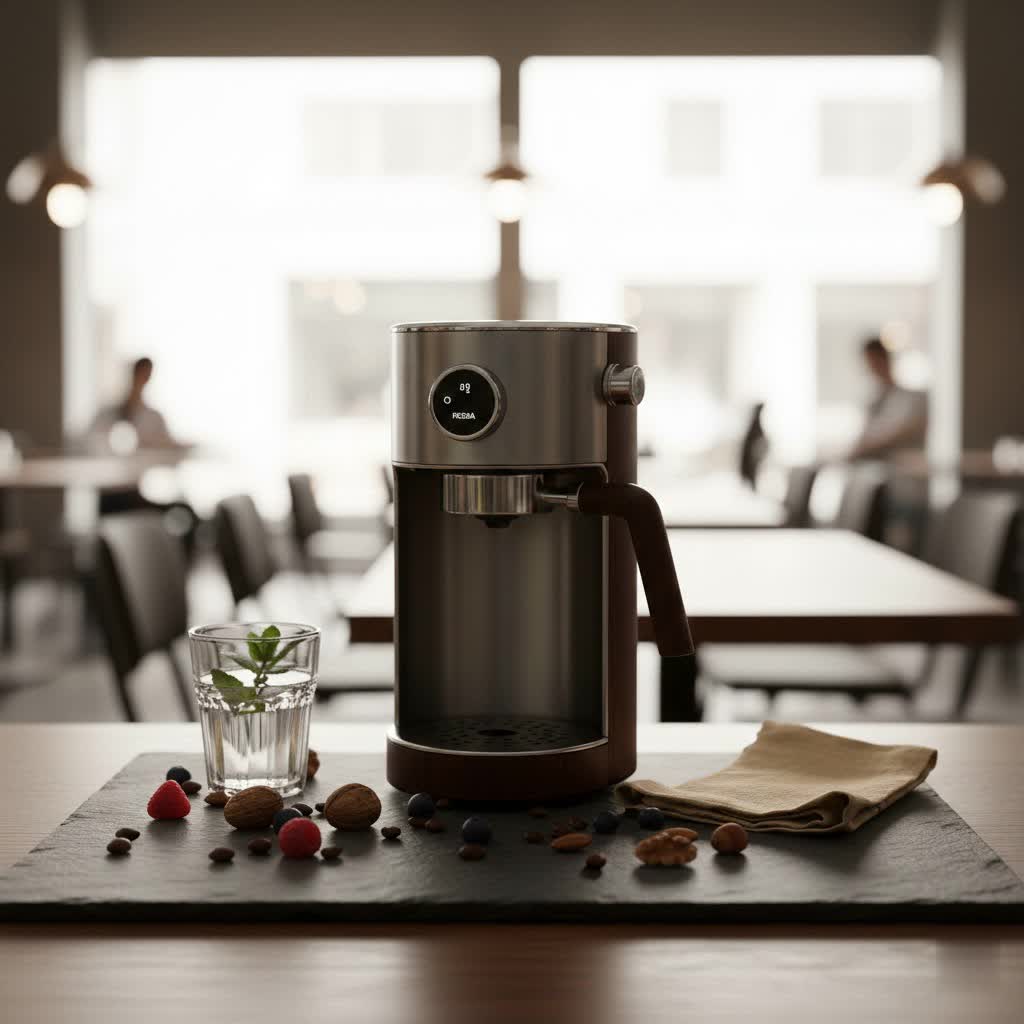
A percolator coffee maker is a distinct brewing device designed to create coffee by continuously cycling hot water through coffee grounds. This method stands apart from drip machines or espresso makers, offering a unique approach that results in a characteristically strong and full-bodied brew. Rooted in history, percolators were once the dominant coffee makers in homes before automatic drip machines gained popularity in the 1970s. Today, they are cherished for their ability to produce a consistently hot, potent cup and their enduring durability, making them a favorite for both daily use and outdoor adventures.
How a Percolator Coffee Maker Works
|
Our Picks for the Best Coffee Maker in 2026
As an Amazon Associate I earn from qualifying purchases.
|
||
| Num | Product | Action |
|---|---|---|
| 1 | Newdehanm Pour Over Coffee Dripper & Filter, Reusable Paperless Clever Dripper Automatic Drip Coffee and Tea Maker with Immersion Extraction, BPA-Free, 21oz Home Brewing |

|
| 2 | Mueller 12-Cup Drip Coffee Maker - Borosilicate Carafe, Auto-Off, Reusable Filter, Anti-Drip, Keep-Warm Function, Clear Water Level Window Coffee Machine, Kitchen Essentials & Accessories |
|
| 3 | BLACK+DECKER 12-Cup Digital Coffee Maker, Programmable, Washable Basket Filter, Sneak-A-Cup, Auto Brew, Water Window, Keep Hot Plate, Black |
|
| 4 | Cuisinart 14-Cup Coffee Maker, Programmable PerfecTemp Glass Carafe Coffee Machine with 1-4 Cup Setting, Brew Strength Control and Brew Pause, Stainless Steel, DCC-3200NAS |
|
| 5 | Veken French Press Coffee Maker 34oz,No Plastic Touching Cafe,Thickened Borosilicate Glass Stainless Steel Brewer,Cold Brew Cafetera Teapot for Kitchen Travel Camping,Gifts,Bar Accessories,Dark Pewter |
|
| 6 | Xeoca Commercial Coffee Urn, 100 Cup Coffee Maker and Hot Water Urn, 1500W Fast-Brewing Percolator for Business, Parties, Catering, and Large Gatherings (100 Cups) |
|
| 7 | Ninja 12-Cup Programmable Coffee Brewer, 2 Brew Styles, Adjustable Warm Plate, 60oz Water Reservoir, Delay Brew - Black/Stainless Steel |
|
| 8 | Keurig K-Express Single Serve Coffee Maker – Strong Brew Option, 42oz Reservoir, Sleek Design for Holiday Hosting & Gifting, Black |
|
| 9 | Elite Gourmet EHC4128 Automatic 4-Cup Brew & Drip Coffee Maker with Pause N Serve, Glass Carafe, Reusable Filter, On/Off Switch, Keep Warm, Water Level Indicator, Black |
|
| 10 | Hamilton Beach 2-Way Programmable Coffee Maker, 12 Cup Glass Carafe And Single Serve Coffee Maker, Black with Stainless Steel Accents, 49980RG |
|
The magic of a percolator lies in its simple yet effective brewing mechanism. Water is placed in the bottom chamber of the pot, and coffee grounds, typically a coarse grind, are held in a perforated metal basket above it. As heat is applied, either from a stovetop or an electric element, the water begins to boil. The boiling water creates steam bubbles that push hot water up a central tube, which then showers down over the coffee grounds. This “percolation” cycle repeats, with the now coffee-infused water dripping back into the bottom chamber to be reheated and re-circulated through the grounds. Many percolators feature a clear glass knob on the lid, allowing you to visually monitor the color and strength of your brewing coffee. The process continues until the desired strength is achieved, usually signaled by the changing color of the liquid and a distinct “perking” sound. This continuous recirculation is what gives percolated coffee its signature robust flavor.
Common Types of Percolator Coffee Makers
Percolator coffee makers primarily come in two distinct types: stovetop and electric. Each offers unique advantages tailored to different preferences and situations.
Stovetop Percolators: These traditional models are often made of stainless steel or enamelware and are placed directly on a heat source, such as a gas stove, electric burner, or even an open campfire. They are prized for their rugged durability, portability, and independence from electricity, making them an excellent choice for camping, RV trips, or as a reliable backup during power outages. Stovetop percolators give you full control over the brewing temperature and time, allowing for a more hands-on experience and the ability to fine-tune your brew to perfection.
Electric Percolators: Offering a modern twist on the classic design, electric percolators come with a built-in heating element. These models are celebrated for their convenience, often featuring automatic shut-off functions once brewing is complete and a “keep warm” setting to maintain your coffee’s temperature. Electric percolators provide consistent heating, eliminating the guesswork involved with stovetop models and making them ideal for busy mornings. While they require an electrical outlet, they bring the timeless flavor of percolated coffee into the modern kitchen with added ease.
Why Choose a Percolator? Pros and Cons
Deciding if a percolator is the right coffee maker for you involves weighing its unique benefits against its potential drawbacks. Like any brewing method, percolators have a distinctive character that appeals to some more than others.
Advantages of Percolator Coffee Makers:
- Robust Flavor: Percolators are renowned for producing a strong, full-bodied cup of coffee with a rich aroma. The repeated exposure of grounds to hot water extracts a significant amount of flavor, resulting in a bold brew many coffee lovers cherish.
- Durability and Portability: Stovetop percolators, especially those made from stainless steel, are incredibly durable and can withstand rugged conditions. Their lack of reliance on electricity makes them perfect for outdoor adventures like camping or for use in emergencies.
- Economical: Many percolator models are more affordable than advanced drip machines or espresso makers, offering a budget-friendly way to brew quality coffee.
- Large Capacity: Percolators often come in larger capacities (e.g., 8-cup, 12-cup), making them ideal for serving multiple people at family gatherings, offices, or events.
- No Paper Filters Needed: Most percolators use a permanent metal filter basket, eliminating the need to buy disposable paper filters and reducing waste.
- Consistently Hot Coffee: Due to the brewing process, percolated coffee tends to be exceptionally hot, and many electric models include a “keep warm” function to maintain temperature for extended periods.
- Nostalgic Charm: For many, the sight and sound of a percolator bubbling on the stove evoke a pleasant sense of tradition and simpler times.
Disadvantages of Percolator Coffee Makers:
- Risk of Over-extraction: The continuous cycling of hot water through the grounds can easily lead to over-extraction, resulting in a bitter or burnt taste. This requires careful monitoring, especially with stovetop models, to achieve the perfect brew.
- Less Nuanced Flavor: While percolators produce a strong brew, the high temperatures and repeated extraction can sometimes obscure the subtle flavor notes of specialty beans compared to methods like pour-over or French press.
- Longer Brew Time: Compared to quick drip machines or single-serve brewers, percolators generally take longer to heat the water and complete the brewing cycle.
- Sediment: Without paper filters, some fine coffee grounds might end up in your cup, though using a coarser grind can significantly reduce this.
- Manual Attention Required: Stovetop percolators demand attention to prevent over-brewing, which can be less convenient for those seeking a fully automated morning routine.
Percolator vs. Drip Coffee Maker: A Detailed Comparison
The choice between a percolator and a drip coffee maker often comes down to personal taste, lifestyle, and priorities. While both methods involve hot water passing through coffee grounds, their mechanics and resulting coffee profiles are quite different.
| Feature | Percolator Coffee Maker | Drip Coffee Maker |
|---|---|---|
| Brewing Method | Water cycles repeatedly through grounds. | Hot water passes once through grounds via spray head. |
| Flavor Profile | Robust, strong, full-bodied, sometimes bolder/bitter. | Smooth, balanced, clean, often highlights bean nuances. |
| Mouthfeel | Richer, fuller (retains more oils). | Lighter, cleaner (paper filters remove oils). |
| Caffeine Content | Potentially higher due to longer extraction. | Consistent, generally lower than percolator. |
| Ease of Use | Stovetop: More hands-on; Electric: More automated. | Generally highly automated with programmable settings. |
| Brew Time | Can be longer (10-25 minutes). | Typically faster (5-10 minutes). |
| Filter Type | Permanent metal filter basket (no paper needed). | Disposable paper or permanent mesh filter. |
| Portability | Stovetop models excellent for camping/off-grid. | Electric, requires power; less portable. |
| Maintenance | Easy to disassemble and clean. | Components can be complex to clean. |
| Risk of Error | High risk of over-extraction/bitterness if not watched. | Lower risk, as brewing parameters are usually set. |
If you crave a powerfully strong, traditional cup and enjoy a more hands-on brewing process, a percolator is likely your ideal match. However, if convenience, consistent results, and a cleaner, milder flavor are your top priorities, an automatic drip coffee maker might be more suitable. It’s not uncommon for coffee enthusiasts to own both, enjoying the unique qualities each method offers for different occasions.
Your Buying Guide to the Perfect Percolator
Choosing the right percolator involves considering several factors to ensure it aligns with your brewing habits and preferences. From capacity to material, each detail contributes to your overall coffee experience.
Key Factors to Consider
- Type (Stovetop vs. Electric): Your first decision will be between these two main types.
- Stovetop: Best for camping, off-grid use, or those who enjoy manual control and a classic aesthetic. They tend to be more compact and often more affordable.
- Electric: Ideal for home use, offering convenience with automatic shut-off and keep-warm features. They provide consistent heating without stovetop supervision.
- Capacity: Percolators come in various sizes, typically ranging from 2-cup to 12-cup capacities.
- 2-4 cups: Perfect for individuals or couples who brew smaller amounts.
- 8-12 cups: Great for families, entertaining guests, or those who drink multiple cups throughout the day.
- Material: The construction material affects durability, heat retention, and aesthetics.
- Stainless Steel: Highly durable, rust-resistant, excellent heat retention, and provides a sleek, modern look. Many top-rated models are stainless steel.
- Aluminum: Lighter and often more affordable, but may not retain heat as well or be as durable as stainless steel.
- Glass: Some stovetop models feature a glass carafe, allowing you to visually monitor the brewing process, which can be quite satisfying. However, glass is more fragile.
- Enamelware: Popular for camping percolators, offering a rustic look and good durability on campfires.
- Features (especially for Electric Models):
- Automatic Shut-off: Prevents over-brewing and ensures safety.
- Keep-Warm Function: Maintains coffee temperature after brewing.
- Ready Indicator Light: Signals when coffee is done.
- Cool-Touch Handle: Important for safe handling, especially with stovetop models on intense heat sources.
- Cordless Design (Electric): Allows for easy serving.
- Budget: Percolators are available across a wide price range. Basic stovetop models can be very inexpensive, while high-capacity electric models with extra features will cost more. Determine how much you’re willing to invest based on your usage frequency and desired features.
- Brand Reputation: Look for reputable brands known for quality coffee makers. Some well-regarded names in the percolator market include Farberware, Presto, Cuisinart, and Elite Gourmet.
Popular Percolator Models: A Snapshot
While personal preference plays a huge role, certain percolator models consistently receive high praise for their performance and durability.
Comparison of Notable Percolator Brands
| Feature | Farberware Yosemite (Stovetop) | Presto 02811 (Electric) | Cuisinart Classic (Electric) | Elite Gourmet Classic (Stovetop) |
|---|---|---|---|---|
| Price Range | Affordable | Mid-range | Mid-to-high range | Affordable |
| Type | Stovetop | Electric | Electric | Stovetop |
| Capacity | 8-12 Cups | 12 Cups | 12 Cups | 8 Cups |
| Material | Stainless Steel | Stainless Steel | Stainless Steel | Stainless Steel |
| Special Features | Classic design, easy to clean, durable. | Fast brew, auto shut-off, keep-warm, retro style. | Ready indicator, easy-pour spout, classic look. | Sturdy, compact, full-flavored brew. |
| General Review | Excellent value, robust brew, camping-friendly. | Consistent, strong brew, convenient for home use. | Reliable, strong performer, good for gatherings. | Simple, effective, good for smaller needs. |
(Note: Prices are approximate and can vary by retailer and promotions.)
Mastering Your Percolator: Tips for Brewing and Maintenance
Unlocking the full potential of your percolator involves understanding best practices for brewing and keeping your machine in top condition. With a few simple tips, you can consistently enjoy delicious, non-bitter coffee.
How to Brew Coffee in a Percolator
- Prepare Your Percolator: Remove the basket and stem. Fill the bottom chamber with cold, fresh water, ensuring the water level stays below the bottom of the basket. Using cold water allows for a more gradual heating process, which can improve flavor extraction.
- Add Coffee Grounds: Place the coffee basket onto the stem and fill it with coarse-ground coffee. A coarse grind is crucial to prevent sediment from seeping into your brew and reduce the risk of over-extraction. Avoid packing the grounds tightly; they should be loose to allow water to flow freely. For a general guideline, start with 1 tablespoon of coffee per cup of water, then adjust to your taste.
- Assemble and Heat: Place the lid on the basket and then secure the percolator lid. If using a stovetop model, place it on your heat source over medium heat. For electric models, simply plug it in.
- Monitor the Brew: Pay attention to the “perking” sound and the color of the coffee visible through the glass knob on the lid. Once the water starts boiling, the “perking” sound begins. For a moderately strong brew, let it perk for about 5-7 minutes. For a stronger cup, you might extend it to 8-10 minutes, but be cautious of over-extraction. The ideal brewing temperature for coffee is typically between 195°F and 205°F (90°C and 96°C), and while percolators often reach higher temperatures, quick monitoring can mitigate bitterness.
- Remove from Heat/Serve: For stovetop models, remove the percolator from the heat source immediately once your desired strength is reached. For electric models, they will often switch to a “keep warm” setting or shut off automatically. Allow the coffee to settle for a minute or two before serving to let any fine sediments fall to the bottom.
Essential Maintenance Tips
Proper cleaning and maintenance are key to ensuring the longevity of your percolator and the quality of your coffee.
- Rinse After Each Use: After each brew, disassemble your percolator and rinse all parts (pot, stem, basket, lid) with hot water. This prevents coffee oils from building up.
- Thorough Cleaning: At least once a week, give your percolator a deeper clean. Wash all components with warm, soapy water and a soft brush. Pay close attention to the stem and basket, where coffee residue can accumulate.
- Deep Descaling: Over time, mineral deposits from water can build up, especially in electric percolators. To descale, fill the percolator with a solution of equal parts white vinegar and water. Let it perk through a cycle (without coffee grounds), then discard the solution and run several cycles with plain water to rinse thoroughly. Do this every 1-3 months, depending on your water hardness.
- Coarse Grind is Key: Using a coarse grind not only helps prevent over-extraction but also reduces the amount of fine sediment that can clog filters or end up in your cup.
- Inspect Seals: Periodically check any rubber seals or gaskets for wear and tear. Damaged seals can affect brewing efficiency and potentially cause leaks.
Delightful Percolator Coffee Recipes
Beyond a basic cup, your percolator can brew the foundation for various delightful coffee concoctions.
- The Bold Black Coffee: Simply follow the brewing instructions above, adjusting the coffee-to-water ratio and brewing time to your preferred strength. Enjoy it black to savor its inherent robustness.
- Classic Campfire Coffee: For a truly rustic experience, brew your stovetop percolator over a campfire. The smoky aroma adds an extra layer of flavor. After brewing, let it settle, then pour carefully.
- Iced Percolated Coffee: Brew a stronger-than-usual batch of coffee. Once cooled, pour it over ice. You can add a splash of milk or a sweetener like simple syrup for a refreshing iced beverage.
- Percolator Latte/Cappuccino Base: Brew a very strong, concentrated pot. Use this as your espresso-like base, adding steamed milk and froth for homemade lattes and cappuccinos. While not true espresso, it provides a powerful coffee kick.
Where to Purchase a Quality Percolator Coffee Maker
Finding a reliable percolator coffee maker is easier than ever, with options available both online and in brick-and-mortar stores.
- Online Retailers: Websites like Amazon, Walmart, and specific kitchenware or outdoor gear sites offer a vast selection of both electric and stovetop percolators from various brands. Online shopping provides the convenience of comparing models, reading reviews, and having the product delivered to your door.
- Department Stores: Major department stores often carry a selection of electric percolators, particularly from well-known kitchen appliance brands.
- Home Goods Stores: Stores specializing in kitchenware and home appliances typically stock a range of percolator options.
- Outdoor and Camping Stores: For stovetop and camping-specific percolators, outdoor recreation stores are excellent places to find durable, fire-safe models.
When buying online, always read customer reviews and check the seller’s reputation. Verify the warranty information and return policy before making a purchase. For stovetop models, ensure the material is suitable for your intended heat source (e.g., induction compatible if you have an induction cooktop).
Conclusion
The percolator coffee maker, with its rich history and distinctive brewing method, offers a unique and satisfying coffee experience that stands the test of time. Whether you’re drawn to its nostalgic charm, its ability to produce a strong, robust brew, or its rugged portability for outdoor adventures, a percolator can be a valuable addition to your coffee toolkit. By understanding how it works, choosing the right model for your needs, and mastering a few simple brewing and maintenance tips, you can unlock the full potential of this classic device. Embrace the art of percolation, and you’ll find yourself enjoying a cup that’s not just coffee, but a comforting ritual.
Are you ready to embrace the distinctive flavor and tradition that a percolator coffee maker brings to your daily routine?
Frequently Asked Questions
What kind of coffee grind should I use for a percolator?
For optimal results and to avoid a bitter taste or excessive sediment, use a coarse coffee grind in your percolator. A grind similar to that used for a French press is typically ideal, as finer grinds can lead to over-extraction and may slip through the percolator’s metal filter basket.
Can percolators make good coffee, or is it always bitter?
While percolators have a reputation for producing bitter coffee, this is often due to over-extraction. With careful attention to grind size, coffee-to-water ratio, and brewing time (typically 5-7 minutes after boiling begins), you can absolutely brew a delicious, robust, and non-bitter cup of coffee with a percolator.
Is percolator coffee stronger than drip coffee?
Percolator coffee tends to be stronger and more robust than drip coffee. This is because the water continuously cycles through the coffee grounds, leading to a longer and more thorough extraction. This repeated exposure can result in a higher concentration of coffee solids and caffeine, contributing to its bolder flavor profile.
How do I clean a coffee percolator?
To clean a coffee percolator, disassemble all its parts (pot, stem, basket, lid) and wash them with warm, soapy water after each use. For a deeper clean and to remove mineral buildup, you can periodically perk a solution of equal parts white vinegar and water through the machine, followed by several cycles of plain water.
Can I use a percolator for camping?
Yes, stovetop percolators are exceptionally popular for camping and outdoor use. Their durable construction, independence from electricity, and ability to be heated over a campfire or portable stove make them a perfect choice for brewing fresh coffee in remote settings.
