Are you questioning the silent plastic components in your morning coffee ritual? You’re not alone. In an era where health and environmental consciousness are paramount, many coffee aficionados are seeking alternatives to traditional coffee makers that often incorporate plastic, potentially compromising both wellness and taste. This comprehensive guide will navigate the world of plastic-free coffee makers, helping you understand why they matter, explore the best options, and choose the perfect brewer for a cleaner, healthier, and more delicious cup.
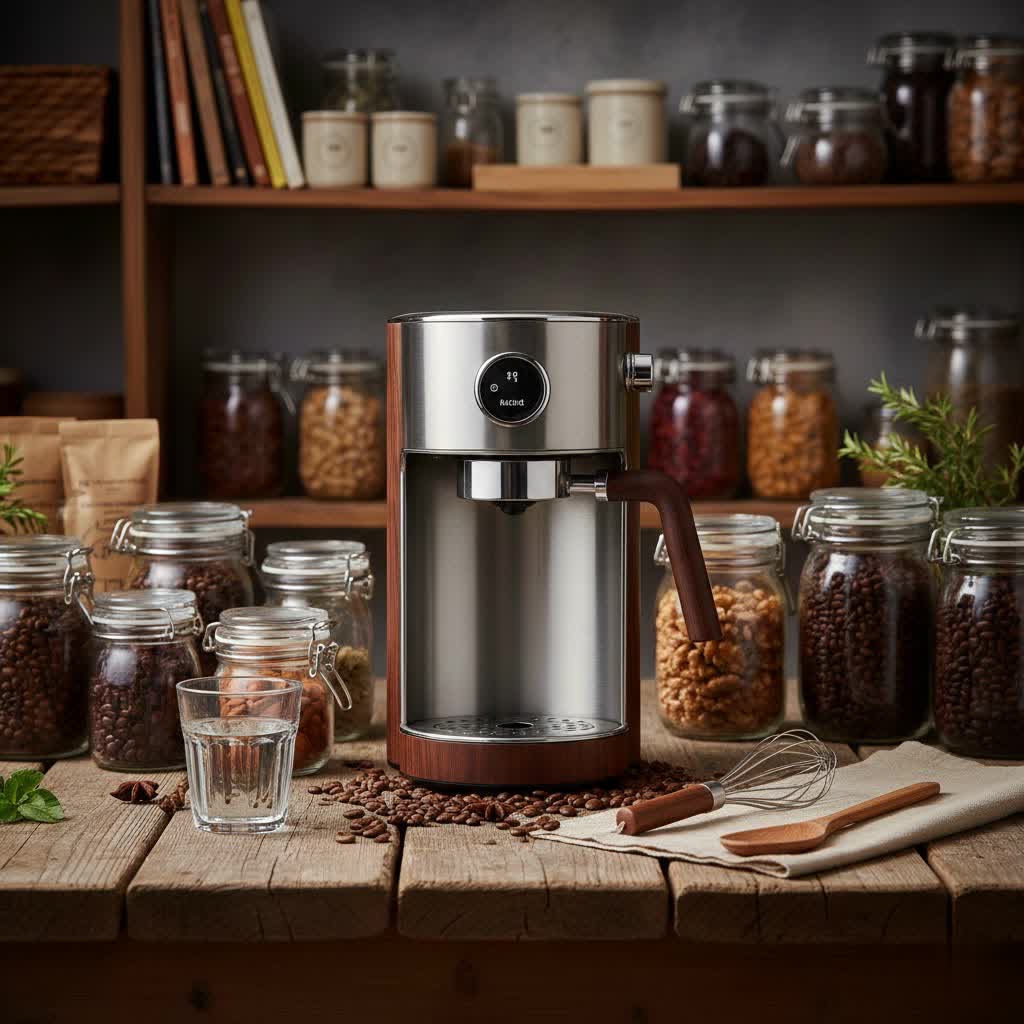
Understanding the Need for No Plastic Coffee Makers
The concern surrounding plastic in coffee makers stems from scientific research linking certain chemicals to adverse health effects. When hot, acidic liquids like coffee come into contact with plastic, substances such as Bisphenol A (BPA) and phthalates can leach into your beverage. These chemicals are known as endocrine disruptors and have been associated with a range of health issues, including hormonal imbalances, reproductive problems, obesity, certain cancers, diabetes, and even learning difficulties. [cite: 1 (health benefits), 2 (health benefits), 3 (health benefits)]
Beyond chemical leaching, the issue of microplastics and nanoplastics is also a growing concern. Studies indicate that plastic components can shed these microscopic particles, which may then be ingested. Microplastics have been detected in human blood, breast milk, and other tissues, raising questions about long-term health implications like heart attack, stroke, and immune system disturbances. [cite: 1 (health benefits), 2 (health benefits), 5 (health benefits)] Opting for a coffee maker free from plastic in the brewing path significantly reduces exposure to these potentially harmful substances, ensuring a purer and safer brew. Moreover, avoiding plastic can enhance the natural flavor profile of your coffee, allowing the true notes of your beans to shine without any chemical interference.
Popular Types of Plastic-Free Coffee Makers
Fortunately, a variety of coffee makers minimize or completely eliminate plastic from the brewing process, offering both manual and some electric options.
French Press
The French press is a classic immersion brewer known for producing a rich, full-bodied cup. Most models feature a borosilicate glass carafe and a stainless steel plunger with a mesh filter. This design ensures that coffee grounds and hot water interact only with glass and stainless steel, avoiding plastic contact. [cite: 1 (health benefits), 2 (best), 4 (types)]
- Pros: Easy to use, portable, produces robust coffee with natural oils, often double-walled for heat retention.
- Cons: Coffee grounds may linger if not filtered properly, doesn’t keep coffee warm indefinitely.
- Ideal for: Those who prefer a strong, unfiltered cup and enjoy a manual brewing process.
|
Our Picks for the Best Coffee Maker in 2026
As an Amazon Associate I earn from qualifying purchases.
|
||
| Num | Product | Action |
|---|---|---|
| 1 | Mueller 12-Cup Drip Coffee Maker - Borosilicate Carafe, Auto-Off, Reusable Filter, Anti-Drip, Keep-Warm Function, Clear Water Level Window Coffee Machine, Kitchen Essentials & Accessories |

|
| 2 | BLACK+DECKER 12-Cup Digital Coffee Maker, Programmable, Washable Basket Filter, Sneak-A-Cup, Auto Brew, Water Window, Keep Hot Plate, Black |
|
| 3 | Hamilton Beach 2-Way Programmable Coffee Maker, 12 Cup Glass Carafe And Single Serve Coffee Maker, Black with Stainless Steel Accents, 49980RG |
|
| 4 | Ninja 12-Cup Programmable Coffee Brewer, 2 Brew Styles, Adjustable Warm Plate, 60oz Water Reservoir, Delay Brew - Black/Stainless Steel |
|
| 5 | Xeoca Commercial Coffee Urn, 100 Cup Coffee Maker and Hot Water Urn, 1500W Fast-Brewing Percolator for Business, Parties, Catering, and Large Gatherings (100 Cups) |
|
| 6 | Cuisinart 14-Cup Coffee Maker, Programmable PerfecTemp Glass Carafe Coffee Machine with 1-4 Cup Setting, Brew Strength Control and Brew Pause, Stainless Steel, DCC-3200NAS |
|
| 7 | Keurig K-Express Single Serve Coffee Maker – Strong Brew Option, 42oz Reservoir, Sleek Design for Holiday Hosting & Gifting, Black |
|
| 8 | Veken French Press Coffee Maker 34oz,No Plastic Touching Cafe,Thickened Borosilicate Glass Stainless Steel Brewer,Cold Brew Cafetera Teapot for Kitchen Travel Camping,Gifts,Bar Accessories,Dark Pewter |
|
| 9 | Newdehanm Pour Over Coffee Dripper & Filter, Reusable Paperless Clever Dripper Automatic Drip Coffee and Tea Maker with Immersion Extraction, BPA-Free, 21oz Home Brewing |
|
| 10 | Elite Gourmet EHC4128 Automatic 4-Cup Brew & Drip Coffee Maker with Pause N Serve, Glass Carafe, Reusable Filter, On/Off Switch, Keep Warm, Water Level Indicator, Black |
|
Pour Over (Chemex, Hario V60, Bodum)
Pour-over methods emphasize control and precision, yielding a clean, bright, and nuanced cup. Brewers like the Chemex, Hario V60, and Bodum Pour Over typically use borosilicate glass or ceramic cones and carafes. Pairing these with stainless steel mesh filters or organic cotton filters ensures a completely plastic-free brew path. [cite: 1 (types), 2 (best), 4 (types)]
- Pros: Exceptional flavor clarity, elegant design, full control over brewing variables.
- Cons: Requires manual effort and attention, can be slower than other methods, generally brews single servings unless using a larger carafe.
- Ideal for: Coffee enthusiasts who appreciate ritual and desire maximum flavor extraction.
Moka Pot (Stovetop Espresso)
For lovers of strong, espresso-like coffee, the Moka pot is an excellent stovetop option. Traditionally made from aluminum, many modern versions are crafted from stainless steel. These brewers typically use a food-safe silicone gasket to seal the chambers, ensuring minimal to no plastic contact with the coffee or hot water. [cite: 3 (best non-toxic)]
- Pros: Produces concentrated, robust coffee, compact, durable, operates without electricity.
- Cons: Requires careful monitoring, can produce bitter coffee if overheated.
- Ideal for: Those seeking a potent coffee shot and appreciate traditional stovetop brewing.
Percolator
The percolator is a traditional brewing method that continuously cycles hot water through coffee grounds. Modern percolators are often constructed entirely from stainless steel, making them inherently plastic-free. Many electric models also feature an automatic keep-warm function. [cite: 1 (types), 2 (best), 3 (health benefits)]
- Pros: All-stainless steel construction, often keeps coffee warm, brews quickly.
- Cons: Can over-extract coffee, leading to bitterness if not monitored, some prefer less robust flavor.
- Ideal for: Those who enjoy a bold, classic cup and value the convenience of an electric, all-metal brewer.
Aeropress Premium
While the original Aeropress uses BPA-free plastic, the Aeropress Premium offers a significant upgrade for those avoiding plastic. It features a borosilicate glass chamber, stainless steel filter cap and stirrer, and silicone gaskets. This design ensures that hot water and coffee only contact glass, stainless steel, and silicone. [cite: 3 (best non-toxic)]
- Pros: Fast brewing, incredibly easy to clean, highly portable, brews smooth, full-bodied coffee.
- Cons: Primarily single-serve, higher price point than the original plastic version.
- Ideal for: Individuals prioritizing speed, portability, and a pure single-serve brew.
Electric Drip Coffee Makers with Minimal Plastic
Achieving a truly 100% plastic-free electric drip coffee maker is challenging due to internal seals, tubes, and valves. However, several brands have made significant strides in minimizing plastic contact, especially in areas where hot water or brewed coffee flows. Brands like Moccamaster, Aarke, SimplyGoodCoffee, and OXO offer models with glass carafes, stainless steel boilers, and brew paths. While some may still contain BPA-free plastic in non-heated components or minimal contact points, they represent the closest options to a plastic-free electric drip experience. It’s crucial to look for machines that use borosilicate glass or high-grade stainless steel for the water reservoir, heating elements, and brew basket. [cite: 2 (types), 3 (best non-toxic), 4, 5 (best)]
Key Factors When Choosing a No Plastic Coffee Maker
Selecting the right plastic-free coffee maker involves more than just avoiding plastic; it’s about matching the brewer to your lifestyle and coffee preferences.
Materials
The primary materials to prioritize are high-quality stainless steel (ideally AISI 304 or 316 surgical-grade), borosilicate glass, and ceramic. Stainless steel is highly durable, heat-resistant, and doesn’t leach chemicals. Borosilicate glass is favored for its thermal shock resistance and inertness, meaning it won’t absorb flavors or odors. Ceramic offers excellent heat retention and aesthetic appeal. While some coffee makers might use food-grade, BPA-free silicone for gaskets, it’s best to ensure minimal contact with hot liquids. [cite: 1 (health benefits), 2 (health benefits), 3 (health benefits)]
Budget & Value
Plastic-free coffee makers come in a wide price range. Manual brewers like pour-overs and French presses can be quite affordable, often starting around $20-30. Electric percolators and Moka pots typically fall into a mid-range. Premium electric drip machines designed with minimal plastic can be a significant investment, sometimes exceeding $300. Consider your budget against the long-term value of a durable, healthier, and potentially better-tasting coffee experience.
Brewing Capacity
Do you brew coffee for one, or for an entire household? Single-serve options like the Aeropress Premium or smaller pour-over cones are perfect for individual enjoyment. Larger French presses, percolators, or electric drip machines are better suited for multiple servings, with capacities ranging from 5 to 14 cups.
Convenience & Features
Consider your morning routine. Manual methods require more hands-on time and attention, offering a meditative ritual for some. Electric options, even those with minimal plastic, offer convenience with features like automatic brewing, programmable timers, and keep-warm functions. While “keep warm” features are rarer in manual plastic-free options, percolators often excel here. [cite: 2 (best)]
Brand Reputation & Sustainability
Look for brands known for their commitment to quality, durability, and environmental responsibility. A well-built plastic-free coffee maker should last for years, reducing waste. Some brands also offer repairable designs and recyclable components, further enhancing their sustainability credentials.
Comparison of Notable No Plastic Coffee Makers
| Feature | French Press | Pour Over | Moka Pot | Percolator | Aarke Drip | SimplyGoodCoffee |
|---|---|---|---|---|---|---|
| Price Range | Low-Mid | Low-Mid | Low-Mid | Mid | High | Mid-High |
| Primary Material | Glass/SS | Glass/Ceramic | SS | SS | SS/Glass | Glass/SS |
| Plastic Contact | Minimal (gasket) | None (with SS filter) | Minimal (gasket) | None | Minimal (BPA-free) | None in brew path |
| Brewing Speed | Moderate | Slow (manual) | Fast | Fast | Fast | Fast |
| Flavor Profile | Full-bodied | Clean, bright | Strong, espresso-like | Robust | Balanced | Rich, no bitterness |
| Ease of Use | Moderate | Manual skill | Moderate | Easy | Easy | Easy |
Tips for Using and Maintaining Your Plastic-Free Coffee Maker
To ensure the longevity of your plastic-free coffee maker and the purity of your brew, proper usage and maintenance are essential.
- Clean Regularly: After each use, rinse all components thoroughly. Many glass and stainless steel parts are dishwasher safe. For manual brewers, immediately discard grounds and rinse to prevent staining and odor retention.
- Use Filtered Water: Filtered water not only enhances the taste of your coffee by removing chlorine and impurities but also reduces mineral buildup in your machine, especially in electric models. [cite: 2 (health benefits)]
- Avoid Stagnant Water: If your coffee maker has a water reservoir, fill it with fresh, filtered water each morning. Avoid leaving water sitting in the reservoir overnight, as this can encourage bacterial growth and, in rare cases even with minimal plastic, potential leaching. [cite: 2 (health benefits)]
- Descaling: For electric coffee makers, periodic descaling is crucial to remove mineral deposits that can affect performance and taste. Use a descaling solution or a natural alternative like white vinegar, following the manufacturer’s instructions.
Crafting the Perfect Brew at Home with Your New Machine
Achieving a fantastic cup of coffee with your plastic-free maker involves understanding a few key principles.
- Grind Size Matters: The correct grind size is paramount for optimal extraction. Use a coarse grind for French presses, a medium-fine for pour-overs and Moka pots, and a medium grind for percolators. A burr grinder is recommended for consistent particle size.
- Coffee-to-Water Ratio: A general guideline is 1:15 to 1:18 (coffee to water by weight), meaning 1 gram of coffee for every 15-18 grams of water. Adjust this to your taste preference.
- Water Temperature: The ideal brewing temperature is between 195°F and 205°F (90°C to 96°C). Boiling water can scorch the coffee, leading to bitterness, while water that’s too cool results in under-extraction.
- Blooming (for Pour Over): For pour-over methods, pour a small amount of hot water over the grounds first and let it sit for 30 seconds. This “blooming” process allows trapped gases to escape, leading to a more even and flavorful extraction.
Where to Buy Trustworthy No Plastic Coffee Makers
Finding reliable plastic-free coffee makers is easier than ever. You can explore:
- Specialty Coffee Retailers: Many dedicated coffee shops and online stores stock high-quality manual brewers like Chemex, Hario, and French presses.
- Home Goods Stores: Larger department stores often carry a selection of glass and stainless steel kitchenware, including Moka pots and percolators.
- Online Marketplaces: Websites specializing in eco-friendly or healthy living products are excellent resources for curated plastic-free options. Always verify product descriptions and customer reviews to confirm materials.
Your Ultimate Buying Guide: Step-by-Step
Making the switch to a plastic-free coffee maker is a thoughtful decision that pays dividends in health and flavor. Follow these steps to find your ideal brew companion:
- Assess Your Needs & Preferences: How much coffee do you drink? Do you prefer manual control or electric convenience? What flavor profile do you enjoy? This self-assessment will narrow down your options.
- Research Material Purity: Prioritize brewers made primarily from borosilicate glass, high-grade stainless steel, or ceramic. If an electric machine has plastic parts, ensure they are minimal, BPA-free, and ideally do not come into contact with hot water or coffee.
- Compare Brewer Types: Weigh the pros and cons of French press, pour-over, Moka pot, percolator, and minimal-plastic electric drip machines based on your preferences.
- Check Reviews & Certifications: Read expert and user reviews. Look for any certifications related to material safety or quality.
- Purchase & Enjoy: Once you’ve made your informed decision, purchase your new plastic-free coffee maker and embark on a journey of purer, more flavorful coffee. Remember to thoroughly read the user manual before your first brew!
> “Choosing to avoid plastic in your coffee maker is a simple yet powerful step towards reducing daily chemical exposure and supporting a cleaner planet.” – Admin, ReviewMyDC.com, Coffee Maker Technician
Conclusion
Embracing a No Plastic Coffee Maker is a conscious choice for a healthier lifestyle and a superior coffee experience. By opting for brewers made from robust, non-reactive materials like stainless steel, glass, and ceramic, you safeguard yourself from potentially harmful chemicals and microplastics, while simultaneously enhancing the natural flavors of your favorite beans. Whether you choose the rich immersion of a French press, the pristine clarity of a pour-over, or a thoughtfully designed electric drip model, the market offers a growing array of options that align with your desire for purity. Isn’t it time your morning brew reflected your commitment to well-being and exceptional taste?
Frequently Asked Questions
Is a “BPA-free” coffee maker truly safe?
While “BPA-free” means bisphenol A has been removed, manufacturers sometimes substitute it with other bisphenols like BPS or BPF, which may also have endocrine-disrupting properties. For maximum safety, prioritize materials like glass, stainless steel, and ceramic that are naturally free of all bisphenols.
What materials are best for a plastic-free coffee maker?
The best materials are borosilicate glass for carafes and brew chambers, and high-grade stainless steel (like 304 or 316) for filters, plungers, and heating elements. Ceramic is also an excellent option for pour-over cones due to its inertness and heat retention.
Can I find a fully automatic plastic-free drip coffee maker?
Truly 100% plastic-free automatic drip coffee makers are very rare due to internal components like seals and valves. However, you can find excellent electric models that minimize plastic contact with hot water and brewed coffee, using glass and stainless steel extensively in the brew path.
How do I clean a plastic-free coffee maker?
Most plastic-free coffee makers, especially manual ones made of glass and stainless steel, are easy to clean by hand with soap and water, and many parts are dishwasher-safe. For electric models, follow manufacturer instructions for descaling and cleaning to maintain optimal performance and hygiene.
Does a plastic-free coffee maker make coffee taste better?
Many coffee enthusiasts report that plastic-free coffee makers produce a cleaner, purer-tasting coffee. This is because non-reactive materials like glass and stainless steel do not impart any plastic taste or odor, allowing the true, nuanced flavors of the coffee beans to come through unimpeded.
