Are you tired of settling for mediocre coffee and dreaming of barista-quality espresso right in your own kitchen? Navigating the vast world of Espresso Coffee Makers can feel overwhelming, with countless models, features, and price points. As a seasoned technician with over a decade of hands-on experience, I understand the intricacies of these machines, from the professional-grade workhorses to the simple home brewers. This comprehensive guide will cut through the noise, offering objective reviews and expert advice to help you select the perfect espresso coffee maker that not only fits your lifestyle and budget but also consistently delivers that exquisite shot you crave every morning.
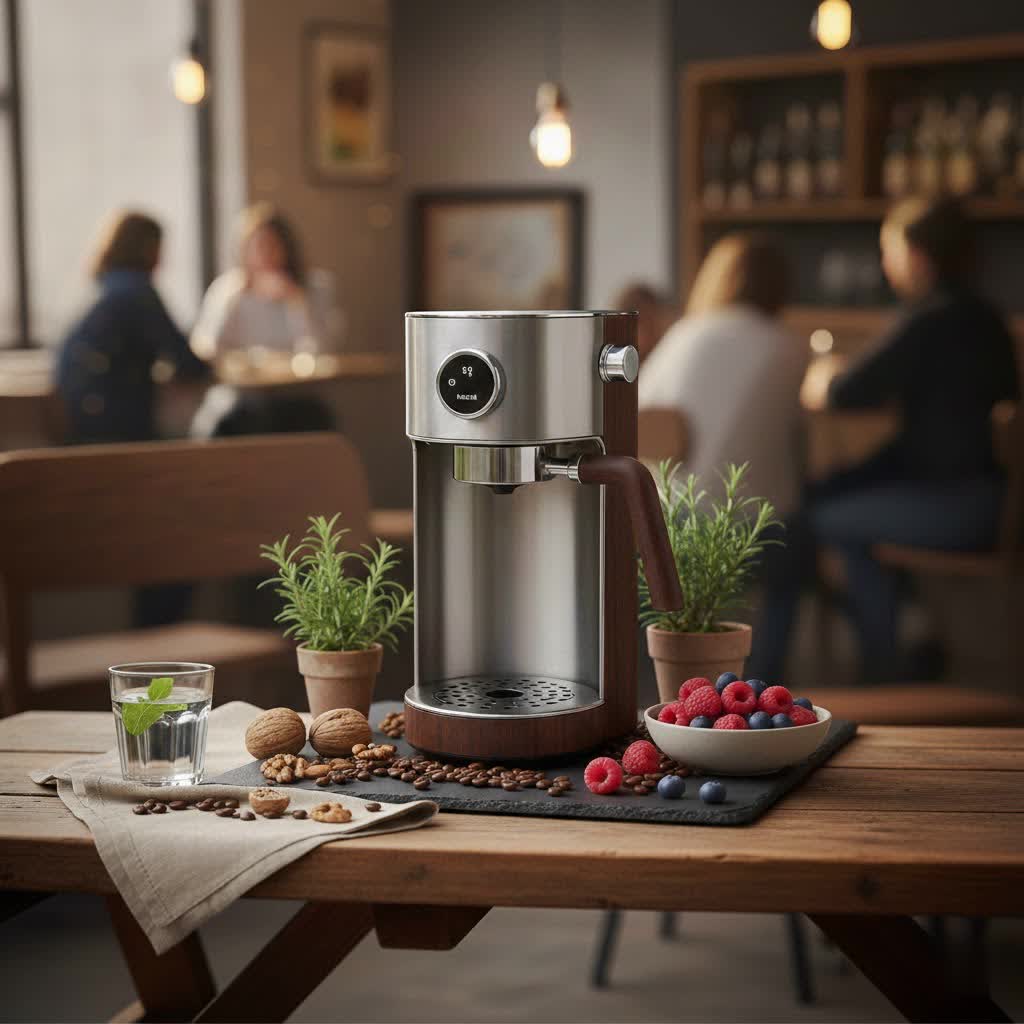
Exploring the Popular Types of Espresso Coffee Makers
Understanding the different categories of espresso machines is the first step toward making an informed decision. Each type offers a unique balance of control, convenience, and cost, catering to various levels of coffee expertise and preference.
Manual Lever Espresso Makers
|
Our Picks for the Best Coffee Maker in 2026
As an Amazon Associate I earn from qualifying purchases.
|
||
| Num | Product | Action |
|---|---|---|
| 1 | Ninja 12-Cup Programmable Coffee Brewer, 2 Brew Styles, Adjustable Warm Plate, 60oz Water Reservoir, Delay Brew - Black/Stainless Steel |

|
| 2 | Mueller 12-Cup Drip Coffee Maker - Borosilicate Carafe, Auto-Off, Reusable Filter, Anti-Drip, Keep-Warm Function, Clear Water Level Window Coffee Machine, Kitchen Essentials & Accessories |
|
| 3 | Xeoca Commercial Coffee Urn, 100 Cup Coffee Maker and Hot Water Urn, 1500W Fast-Brewing Percolator for Business, Parties, Catering, and Large Gatherings (100 Cups) |
|
| 4 | BLACK+DECKER 12-Cup Digital Coffee Maker, Programmable, Washable Basket Filter, Sneak-A-Cup, Auto Brew, Water Window, Keep Hot Plate, Black |
|
| 5 | Newdehanm Pour Over Coffee Dripper & Filter, Reusable Paperless Clever Dripper Automatic Drip Coffee and Tea Maker with Immersion Extraction, BPA-Free, 21oz Home Brewing |
|
| 6 | Veken French Press Coffee Maker 34oz,No Plastic Touching Cafe,Thickened Borosilicate Glass Stainless Steel Brewer,Cold Brew Cafetera Teapot for Kitchen Travel Camping,Gifts,Bar Accessories,Dark Pewter |
|
| 7 | Keurig K-Express Single Serve Coffee Maker – Strong Brew Option, 42oz Reservoir, Sleek Design for Holiday Hosting & Gifting, Black |
|
| 8 | Elite Gourmet EHC4128 Automatic 4-Cup Brew & Drip Coffee Maker with Pause N Serve, Glass Carafe, Reusable Filter, On/Off Switch, Keep Warm, Water Level Indicator, Black |
|
| 9 | Hamilton Beach 2-Way Programmable Coffee Maker, 12 Cup Glass Carafe And Single Serve Coffee Maker, Black with Stainless Steel Accents, 49980RG |
|
| 10 | Cuisinart 14-Cup Coffee Maker, Programmable PerfecTemp Glass Carafe Coffee Machine with 1-4 Cup Setting, Brew Strength Control and Brew Pause, Stainless Steel, DCC-3200NAS |
|
Manual lever machines are the traditionalists’ choice, offering the most hands-on control over the brewing process. With these machines, you directly apply pressure via a lever to push hot water through the coffee grounds. This method allows for precise manipulation of pressure and extraction time, enabling true connoisseurs to fine-tune every aspect of their espresso shot. While they demand skill and practice, manual lever machines offer an incredibly rewarding experience and a deep connection to the art of coffee making.
Semi-Automatic Espresso Machines
Semi-automatic machines strike a popular balance between manual control and automated convenience, making them a favorite for both home baristas and professional cafes. You control the grinding, dosing, and tamping of the coffee, as well as when to start and stop the espresso shot. The machine, however, handles critical aspects like water temperature and pump pressure, ensuring consistency. Many of our top-rated machines fall into this category, providing ample room for experimentation and skill development without overwhelming the user with every single variable.
Automatic Espresso Machines
Similar in design to semi-automatic models, automatic espresso machines take convenience a step further by automatically stopping the water flow once a pre-set volume is reached. This feature ensures consistent shot volumes every time, eliminating the need for manual timing. While they offer slightly less direct control than semi-automatics, many automatic machines still allow users to customize parameters like grind size and water volume, providing a consistent and enjoyable brewing experience with less effort.
Super-Automatic Espresso Machines
For ultimate convenience, super-automatic or fully-automatic espresso machines are the ultimate bean-to-cup solution. These sophisticated devices handle every step of the brewing process, from grinding fresh beans and tamping them perfectly, to extracting the espresso and often even frothing milk, all at the touch of a button. Ideal for busy individuals or those new to espresso who prioritize ease of use, super-automatics deliver consistent, high-quality drinks with minimal user intervention. While they offer less room for manual adjustments, the latest models provide extensive customization options through intuitive touchscreens and smart apps.
Your Buying Guide: Key Factors for Choosing an Espresso Coffee Maker
Selecting the right espresso machine involves a careful consideration of several factors. By weighing these elements, you can narrow down your options and find a machine that perfectly matches your needs and lifestyle.
Budget Considerations
Espresso coffee makers span a wide price range, from a few hundred to several thousand dollars. Entry-level machines offer a great starting point for beginners, while high-end models provide advanced features, superior build quality, and more control for seasoned enthusiasts. Remember to also allocate a portion of your budget for a high-quality grinder, as it’s arguably one of the most critical components for excellent espresso, often more impactful than the machine itself.
Desired Level of Control and Skill
Your comfort level with the brewing process is paramount. Do you enjoy hands-on experimentation, or do you prefer a machine that does most of the work for you? Manual machines offer full control but require skill. Semi-automatics provide a good balance for those wanting to hone their barista craft. Fully-automatics are perfect for convenience, delivering consistent results with minimal effort.
Drink Preferences: Espresso Shots vs. Milk-Based Beverages
Consider the types of coffee drinks you most enjoy. If pure espresso shots are your focus, many machines excel at this. However, if lattes, cappuccinos, and other milk-based drinks are a daily indulgence, look for machines with powerful steam wands or integrated automatic milk frothers. Dual boiler machines are particularly advantageous for milk drinkers, allowing simultaneous espresso brewing and milk steaming without compromising temperature or pressure.
Kitchen Space and Footprint
Espresso machines can vary significantly in size. Measure your available countertop space, including clearance under cabinets, to ensure your chosen machine fits comfortably. Compact models are available for smaller kitchens, while larger, more feature-rich machines may require dedicated space.
Integrated Grinder vs. Separate Grinder
Many semi-automatic and super-automatic machines come with built-in grinders. While convenient, a separate, high-quality burr grinder often provides superior consistency and grind size adjustment, which is crucial for perfect espresso extraction. If a machine with a built-in grinder catches your eye, ensure its grinder is robust and offers precise settings.
Essential and Advanced Features
- PID Temperature Control: Ensures stable and accurate brewing temperature for consistent shots.
- Pressure Relief (3-Way Solenoid Valve): Releases pressure from the portafilter after brewing, preventing “sneeze” and allowing for a clean puck.
- Pre-infusion: Gently wets the coffee grounds before full pressure is applied, leading to more even extraction.
- Programmable Settings: Allows you to save your preferred shot volumes and temperatures.
- Water Filtration: Reduces scale buildup and improves coffee taste.
- Cup Warmer: Keeps your espresso cups warm, preventing temperature shock to your shot.
- Plumbable Options: For high-end machines, direct water line connection eliminates the need to refill the reservoir.
Comparing Popular Espresso Coffee Maker Models
The market is rich with excellent espresso coffee makers, each with unique strengths. Here’s a look at some notable contenders across different categories.
- Breville Barista Express: A popular semi-automatic choice known for its integrated grinder and user-friendly interface, offering a great entry point for home baristas. It provides significant control over extraction parameters.
- DeLonghi La Specialista Maestro: A semi-automatic machine that focuses on precision, often featuring assisted tamping and cold brew capabilities, appealing to those who enjoy experimenting.
- Gaggia Classic Pro: A long-standing favorite among enthusiasts, this semi-automatic machine is a workhorse known for its durability and modifiability, providing excellent espresso quality for its price.
- Jura Z10: A high-end super-automatic machine renowned for its extensive drink customization, dual grinders, and ability to make both hot and cold brew specialties with exceptional ease.
- Terra Kaffe TK-02: Another innovative super-automatic, praised for its hybrid brew unit that can produce both true espresso and drip coffee, offering versatility for different preferences.
Detailed Comparison Table
| Feature | Manual Lever Machine (e.g., Flair 58) | Semi-Automatic (e.g., Breville Barista Express) | Super-Automatic (e.g., Jura Z10) |
|---|---|---|---|
| Price Range | $300 – $1,000+ | $500 – $2,000+ | $1,000 – $4,000+ |
| Machine Type | Manual | Pump-Driven | Pump-Driven, Bean-to-Cup |
| Control Level | Full manual control | High control (grind, tamp, shot time) | Minimal user input |
| Grinder | External (required) | Often integrated, or external | Integrated (often dual hoppers) |
| Milk Frothing | External frother/manual wand | Manual steam wand | Automatic frother/steam wand |
| Ease of Use | High learning curve | Moderate | Very Easy (one-touch) |
| Best For | Enthusiasts, craft brewers | Aspiring baristas, daily ritual | Convenience, variety of drinks |
Mastering Your Espresso: Usage and Maintenance Tips
To ensure your espresso coffee maker consistently produces delicious coffee and lasts for years, proper usage and diligent maintenance are key.
Daily Habits for Optimal Performance
After each use, especially with milk-based drinks, a few quick steps can make a big difference. Immediately wipe down your steam wand with a clean, damp cloth and purge it to clear any milk residue. Before and after brewing a shot, flush the group head by running a quick burst of water to rinse away loose coffee grounds and oils. Always empty the portafilter promptly after brewing and give it a quick rinse. Regularly cleaning the drip tray and wiping down the exterior of your machine also prevents buildup and keeps your setup looking pristine.
Weekly and Monthly Deep Cleaning
A deeper clean is essential to prevent mineral scale and coffee oil buildup. Once a week, remove and wash the drip tray, water tank, portafilter, and filter baskets in warm, soapy water. Perform a backflush with an espresso machine cleaning detergent and a blind filter (a filter basket with no holes) to thoroughly clean the group head and internal components. Descaling, which removes mineral deposits from hard water, should be done monthly or as recommended by your machine’s manufacturer, using a specialized descaling solution. This prevents blockages and ensures consistent water temperature.
> “Consistent cleaning isn’t just about hygiene; it’s about preserving the integrity of your espresso’s flavor profile and extending the life of your machine.” – Admin, ReviewMyDC.com
Annual Maintenance Checks
Beyond daily and weekly cleaning, some components benefit from annual inspection and potential replacement. Check and replace group head gaskets and shower screens, which can wear down over time and affect extraction. Inspect all valves and hoses for any signs of wear or leaks. Consulting your machine’s manual for specific maintenance schedules is always recommended.
Crafting Delicious Espresso Recipes at Home
With your espresso coffee maker dialed in, it’s time to explore the delightful world of espresso-based drinks.
The Perfect Espresso Shot
For a classic single shot, use about 7-9 grams of finely ground coffee, aiming for an extraction time of 20-30 seconds, yielding 1-1.5 ounces of liquid. For a double shot, use 14-18 grams, extracting for 25-30 seconds to produce 2-2.5 ounces. Look for a rich, reddish-brown crema on top – the hallmark of a well-pulled shot.
Americano
Simple and satisfying, an Americano is an espresso diluted with hot water. Start by pulling your espresso shot, then add 4-6 ounces of hot water. Adjust the water quantity to your preferred strength.
Latte and Cappuccino
For milk-based drinks, mastering milk frothing is key. Use fresh, cold milk and a clean steam wand. For a latte, aim for a silky, smooth microfoam with minimal air, perfect for pouring latte art. For a cappuccino, aim for a thicker, airy foam that forms a distinct layer over the espresso. Practice is essential for achieving the ideal texture.
Where to Purchase Your Espresso Coffee Maker
Finding a reputable retailer is as important as choosing the right machine.
Specialty coffee retailers, both online and brick-and-mortar, often have knowledgeable staff who can guide you through the selection process and offer excellent after-sales support. Major electronics stores and department stores also carry a wide range of models. When buying online, ensure the retailer has a clear warranty, return policy, and positive customer reviews.
Your Detailed Step-by-Step Buying Journey
Here’s a comprehensive guide to lead you through the decision-making process for your next espresso coffee maker:
Step 1: Define Your Coffee Needs and Budget.
Before diving into models, honestly assess how you plan to use your machine. How many espresso drinks do you make daily? Do you primarily drink espresso, or are milk-based beverages your go-to? Establish a realistic budget, remembering to factor in a quality grinder if your chosen machine doesn’t have an exceptional integrated one.
Step 2: Research Types and Features.
Familiarize yourself with the different machine types—manual, semi-automatic, automatic, and super-automatic—and the control each offers. Identify the core features important to you, such as PID temperature control, steam wand power, or programmability.
Step 3: Read Reviews and Compare Models.
Delve into expert reviews and user testimonials for machines that fit your criteria. Look for consistent feedback on performance, durability, and ease of use. Utilize comparison charts to quickly see how different models stack up against each other on key specifications.
Step 4: Consider Grinder Integration.
Decide if you prefer the convenience of an integrated grinder or the superior performance and flexibility of a separate, dedicated espresso grinder. If opting for integrated, verify its quality and adjustability.
Step 5: Purchase from a Reputable Source.
Buy your machine from authorized dealers or well-regarded retailers who offer good warranties and customer service. This ensures you receive a genuine product and support should you encounter any issues.
Step 6: Read the Manual, Practice, and Maintain.
Once your machine arrives, meticulously read the user manual. Practice pulling shots and frothing milk. Consistent practice and adherence to a strict cleaning and maintenance schedule will not only refine your barista skills but also guarantee the longevity and optimal performance of your investment.
Conclusion
Choosing the right espresso coffee maker is an investment in your daily ritual, transforming ordinary mornings into moments of pure coffee bliss. By understanding the various types of machines, considering your personal preferences and budget, and committing to proper maintenance, you can confidently select a machine that brings the art of espresso into your home. The perfect espresso coffee maker is out there, waiting to elevate your coffee experience from good to extraordinary. What will be your first perfect espresso creation?
Frequently Asked Questions
What is the ideal grind size for espresso?
The ideal grind size for espresso is very fine, resembling powdered sugar or flour. It should feel slightly gritty between your fingers but not coarse. A grind that’s too coarse will result in weak, under-extracted espresso, while a grind that’s too fine will lead to bitter, over-extracted shots.
How often should I descale my espresso machine?
Descaling frequency depends on your water hardness and how often you use your machine. Generally, it’s recommended to descale every 1-3 months. If you have very hard water, you may need to descale more frequently. Always use the manufacturer-recommended descaling solution.
Can I use regular coffee beans in an espresso machine?
Yes, you can use regular coffee beans in an espresso machine, but for optimal results, it’s best to use beans specifically roasted for espresso. These typically have a darker roast profile, which helps to create the rich, intense flavor and desirable crema associated with espresso.
What is the difference between a single and dual boiler espresso machine?
A single boiler machine uses one heating element for both brewing espresso and steaming milk, requiring you to wait for temperature changes between tasks. A dual boiler machine has separate boilers for brewing and steaming, allowing you to perform both simultaneously and offering superior temperature stability and consistency.
