For many, the first sip of coffee in the morning isn’t just a drink; it’s a cherished ritual, a moment of quiet before the day begins. Yet, stepping into the world of home coffee makers can feel like navigating a complex maze, with countless options promising the ultimate brew. From sleek espresso machines to simple drip brewers, the sheer variety can be overwhelming. But what if you could cut through the noise and find a coffee maker machine for your home that perfectly aligns with your lifestyle, taste, and budget? With over a decade of hands-on experience testing and repairing every imaginable model, I’m here to demystify the choices, offer objective insights, and guide you to make the most informed decision for your daily caffeine fix.
Explore the World of Home Coffee Makers: Types for Every Taste
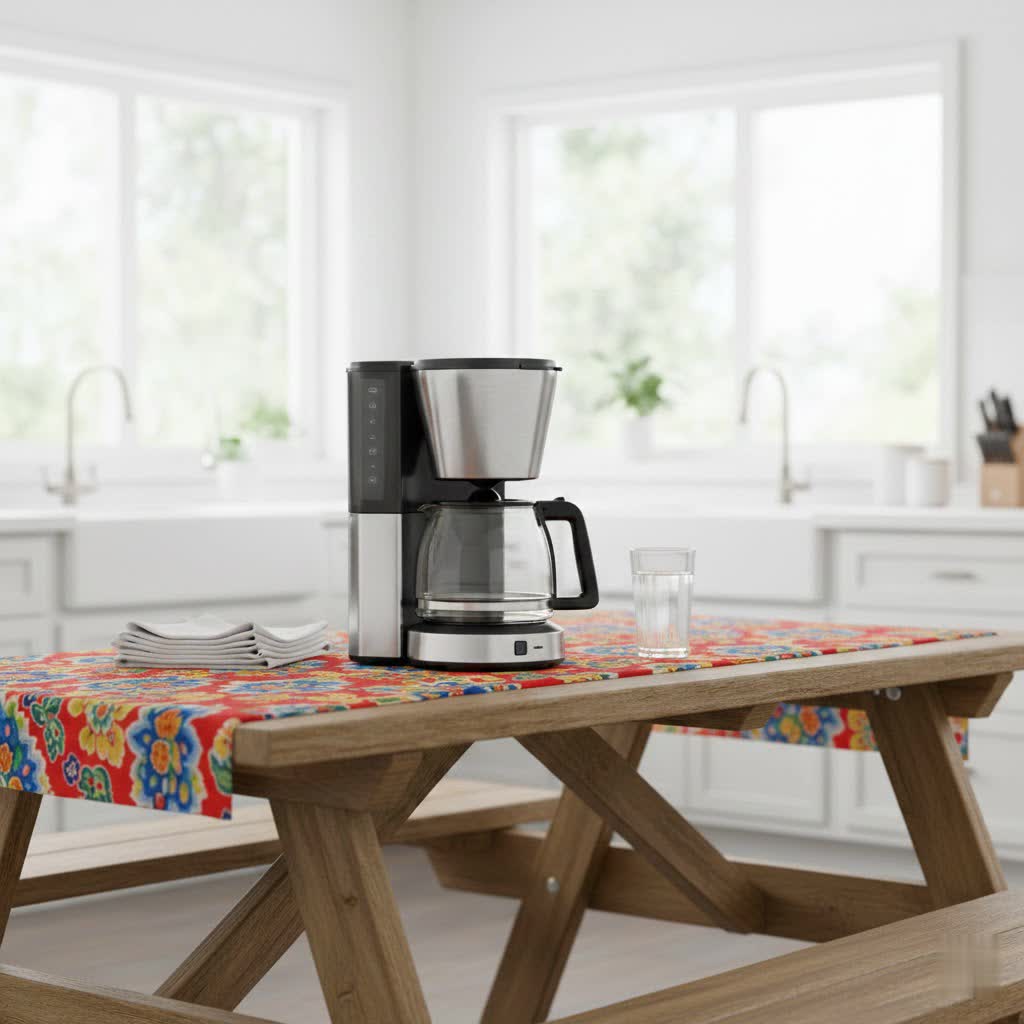
The journey to your perfect cup begins with understanding the diverse landscape of coffee makers available for home use. Each type offers a unique brewing experience, catering to different preferences for flavor, convenience, and involvement in the brewing process.
- Drip Coffee Makers: The quintessential choice for many American households, drip coffee makers prioritize convenience and consistency. They automate the hot water dispensing process, delivering multiple cups of reliably brewed coffee. Modern models often come with programmable timers, auto-shutoff features, and even temperature control, making mornings effortless. However, while simple to use, they may not offer the precision and nuanced flavor extraction of more manual methods. “Drip coffee machines excel at delivering a consistent, no-fuss pot, perfect for busy households or those who appreciate a straightforward brew,” says an industry expert.
- Espresso Machines: For those who crave café-quality lattes, cappuccinos, and rich, concentrated shots, an espresso machine is a must-have. These machines force hot water through finely ground coffee under high pressure, extracting intense flavors and producing a distinctive crema.
- Manual Espresso Machines: Offer complete control over every variable, ideal for purists who enjoy the craft.
- Semi-Automatic Espresso Machines: Balance manual control with automated features like pump pressure, providing a sweet spot for enthusiasts.
- Super-Automatic (Bean-to-Cup) Machines: These are the epitome of convenience, grinding fresh beans, tamping, brewing, and often frothing milk all at the touch of a button. While incredibly easy to use, they typically come at a higher price point and require regular cleaning of milk systems.
- Single-Serve (Pod/Capsule) Machines: Brands like Keurig and Nespresso have popularized these machines, offering unparalleled speed and convenience. Using pre-portioned pods, they brew individual servings in minutes, eliminating the need for measuring or grinding. They are perfect for solo coffee drinkers or those who value variety without the fuss. However, they generally offer less flavor complexity compared to traditional methods, and the environmental impact of single-use pods is a common concern.
- French Press: If you enjoy a bold, full-bodied coffee with a rich mouthfeel, the French press is an excellent choice. This immersion brewing method allows coffee grounds to steep directly in hot water before being pressed down, retaining more of the coffee’s natural oils and sediment. It’s a simple, non-electric method that requires a coarser grind and delivers an intensely flavored cup. Cleanup can be a bit more involved than other methods.
- Moka Pot (Stovetop Espresso Maker): Popular in Europe and Latin America, the Moka pot brews strong, espresso-like coffee on a stovetop using steam pressure. It produces a concentrated brew that’s richer than drip coffee but not technically true espresso, as it operates at lower pressure. Moka pots are durable, portable, and an excellent option for those seeking a robust cup without the investment in an espresso machine.
- Pour Over Coffee Makers: For those who appreciate precision and a clean, bright cup, pour-over methods (like Chemex or Hario V60) offer maximum control over the brewing process. This method involves slowly pouring hot water over coffee grounds in a filter, allowing for meticulous control over extraction. While demanding more effort and attention, it rewards with exceptional clarity of flavor.
- Smart Coffee Makers: The modern kitchen brings smart technology to coffee brewing. These machines often connect to Wi-Fi, allowing for remote brewing via an app, integration with smart home assistants like Alexa or Google Assistant, and programmable schedules. Some even include built-in grinders and customizable brew settings accessible from your smartphone. They offer a blend of cutting-edge convenience and customizable control.
Your Ultimate Buying Guide: Key Factors for the Right Coffee Machine
Choosing the right coffee maker machine for your home involves more than just picking a type; it requires a thoughtful consideration of several critical factors that impact your daily brewing experience.
Budget Considerations
Coffee makers span a wide price range, from budget-friendly drip machines under $50 to sophisticated super-automatic espresso systems costing thousands.
- Entry-Level (Under $100-$200): You’ll find basic drip coffee makers, French presses, Moka pots, and some single-serve machines in this range. They offer essential functionality without many bells and whistles.
- Mid-Range ($200-$700): This segment includes higher-quality programmable drip machines (often SCA certified), entry-level semi-automatic espresso makers, and more advanced single-serve systems. You’ll see better materials, more features, and improved brew quality.
- Premium ($700+): This tier features high-performance semi-automatic and super-automatic espresso machines, professional-grade drip brewers, and smart coffee makers. Expect superior build quality, advanced customization, and often integrated grinders and milk frothing systems. Remember to factor in ongoing costs like coffee beans, pods, filters, and descaling solutions.
|
Our Picks for the Best Coffee Maker in 2026
As an Amazon Associate I earn from qualifying purchases.
|
||
| Num | Product | Action |
|---|---|---|
| 1 | Ninja 12-Cup Programmable Coffee Brewer, 2 Brew Styles, Adjustable Warm Plate, 60oz Water Reservoir, Delay Brew - Black/Stainless Steel |

|
| 2 | BLACK+DECKER 12-Cup Digital Coffee Maker, Programmable, Washable Basket Filter, Sneak-A-Cup, Auto Brew, Water Window, Keep Hot Plate, Black |
|
| 3 | Xeoca Commercial Coffee Urn, 100 Cup Coffee Maker and Hot Water Urn, 1500W Fast-Brewing Percolator for Business, Parties, Catering, and Large Gatherings (100 Cups) |
|
| 4 | Elite Gourmet EHC4128 Automatic 4-Cup Brew & Drip Coffee Maker with Pause N Serve, Glass Carafe, Reusable Filter, On/Off Switch, Keep Warm, Water Level Indicator, Black |
|
| 5 | Keurig K-Express Single Serve Coffee Maker – Strong Brew Option, 42oz Reservoir, Sleek Design for Holiday Hosting & Gifting, Black |
|
| 6 | Mueller 12-Cup Drip Coffee Maker - Borosilicate Carafe, Auto-Off, Reusable Filter, Anti-Drip, Keep-Warm Function, Clear Water Level Window Coffee Machine, Kitchen Essentials & Accessories |
|
| 7 | Veken French Press Coffee Maker 34oz,No Plastic Touching Cafe,Thickened Borosilicate Glass Stainless Steel Brewer,Cold Brew Cafetera Teapot for Kitchen Travel Camping,Gifts,Bar Accessories,Dark Pewter |
|
| 8 | Hamilton Beach 2-Way Programmable Coffee Maker, 12 Cup Glass Carafe And Single Serve Coffee Maker, Black with Stainless Steel Accents, 49980RG |
|
| 9 | Newdehanm Pour Over Coffee Dripper & Filter, Reusable Paperless Clever Dripper Automatic Drip Coffee and Tea Maker with Immersion Extraction, BPA-Free, 21oz Home Brewing |
|
| 10 | Cuisinart 14-Cup Coffee Maker, Programmable PerfecTemp Glass Carafe Coffee Machine with 1-4 Cup Setting, Brew Strength Control and Brew Pause, Stainless Steel, DCC-3200NAS |
|
Understanding Your Coffee Habits
Your daily routine and coffee preferences are paramount in guiding your choice.
- Number of Users: Do you brew for just yourself, or do you need enough for a family or guests? Single-serve machines are great for one, while drip coffee makers with larger carafes are ideal for multiple drinkers.
- Frequency of Use: Daily brewing might warrant a durable, easy-to-clean machine, while occasional use could be fine with a simpler, less expensive model.
- Preferred Drink Styles: Are you a black coffee purist, a latte aficionado, or a cold brew fan? Your machine must match your desired beverages.
Essential Features to Look For
Modern coffee makers come packed with features designed to enhance convenience and customization.
- Built-in Grinder: Some machines, especially bean-to-cup models, include an integrated grinder, providing freshly ground beans for every cup. While convenient, standalone burr grinders often offer superior consistency and grind quality.
- Milk Frothing Capabilities: For milk-based drinks, look for a steam wand (manual control, best for latte art) or an automatic frother (simpler, less control).
- Programmable Settings: Features like auto-start timers allow you to wake up to freshly brewed coffee. Auto-shutoff enhances safety and saves energy. Brew strength selectors let you customize intensity.
- Water Reservoir & Carafe Type: Consider the capacity of the water tank – a larger one means fewer refills. Carafes come in glass (often with a hot plate that can scorch coffee over time) or thermal (keeps coffee hot longer without a heat source, preserving flavor).
- Size & Design: Measure your counter space and consider the machine’s aesthetics. Does it fit under your cabinets? Does its style complement your kitchen?
- Ease of Cleaning: Look for machines with removable, dishwasher-safe parts and accessible internal components. Descaling indicators and automated cleaning cycles simplify maintenance.
- Pressure (for Espresso): For authentic espresso, machines typically need to generate around 9 bars of pressure. This is crucial for proper extraction and crema formation.
- Brand Reputation & Warranty: Research brands known for reliability and customer service. Companies like Breville, De’Longhi, Technivorm Moccamaster, OXO, and Ninja often receive high marks for their home coffee maker machines. A good warranty offers peace of mind.
Comparing Top Home Coffee Maker Machines
To help you visualize the choices, here’s a comparison of typical features across popular home coffee maker categories:
| Feature | Drip Coffee Maker | Super-Automatic Espresso Machine | Single-Serve Pod Machine |
|---|---|---|---|
| Price Range | $50 – $300 | $800 – $3,000+ | $80 – $300 |
| Brew Type | Filtered Coffee | Espresso, Latte, Cappuccino | Filtered Coffee, Espresso |
| Capacity | 8-14 cups (carafe) | 1-2 cups per brew | 1 cup |
| Key Features | Programmable, auto-shutoff | Built-in grinder, auto-frother | Quick brew, variety of pods |
| Ideal User | Multiple users, consistent brew | Espresso lovers, convenience-focused | Solo users, variety seekers |
| Maintenance Effort | Low-Moderate | Moderate-High (milk systems) | Low |
| Customization | Basic (strength, timer) | Extensive (grind, temp, milk) | Limited (pod selection) |
Master Your Machine: Tips for Usage and Maintenance
A quality Coffee Maker Machine For Home is an investment, and proper usage and maintenance are key to ensuring its longevity and the continued quality of your coffee.
Daily Use Best Practices
- Use Freshly Roasted, Quality Beans: This is the single most impactful factor for delicious coffee. Store beans in an airtight container away from light and heat.
- Grind Fresh Before Brewing: A good burr grinder makes a huge difference. Grind size matters; adjust it for your specific brew method (coarse for French press, fine for espresso).
- Use Filtered Water: Tap water often contains impurities and minerals that can affect flavor and cause limescale buildup.
- Preheat Your Equipment: For espresso, preheat your portafilter and cups. For drip, run a cycle of hot water through the system before adding coffee grounds.
- Maintain Proper Coffee-to-Water Ratios: A good starting point is 1:15 to 1:18 (e.g., 1 gram of coffee to 15-18 ml of water). Adjust to your taste.
Cleaning for Longevity
Regular cleaning prevents clogs, removes mineral buildup, and ensures your coffee tastes its best.
- Rinse After Every Use: Wash carafes, portafilters, and milk wands immediately after use to prevent coffee oils and milk residue from hardening.
- Daily Wipe Down: Wipe down the exterior and removable parts with a damp cloth.
- Weekly Deep Clean: For drip machines, run a cycle with a vinegar-water solution or descaling agent. For espresso machines, backflush and clean the group head, and thoroughly clean the milk frothing system.
- Monthly Descaling: Depending on your water hardness and usage, descale your machine monthly or bi-monthly. Limescale can significantly impact performance and flavor. “Neglecting descaling is the fastest way to shorten your machine’s life and ruin your coffee’s taste,” advises a coffee technician with 10 years of experience.
Crafting the Perfect Brew: Simple Home Coffee Recipes
With the right home coffee maker machine, your kitchen transforms into your personal café. Here are a few simple recipes to get you started:
- Classic Drip Coffee:
- Use 2 tablespoons of medium-ground coffee for every 6 ounces of filtered water.
- Pour water into the reservoir and grounds into the filter basket.
- Press start and enjoy.
- Basic Espresso Shot:
- Grind fresh espresso beans to a fine consistency.
- Dose 18-20 grams into your portafilter and tamp evenly.
- Insert into the group head and pull a shot for 25-30 seconds, aiming for 36-40 grams of liquid espresso.
- Easy Latte/Cappuccino:
- Pull a perfect espresso shot into your cup.
- Steam cold milk using your machine’s steam wand or an automatic frother until it reaches 140-150°F (60-65°C) with a creamy texture.
- Pour the steamed milk over your espresso. For a latte, aim for a thin layer of foam; for a cappuccino, a thicker foam.
- Refreshing Iced Coffee:
- Brew a concentrated batch of drip coffee (e.g., use slightly more grounds or less water).
- Let it cool to room temperature, then chill in the refrigerator.
- Pour over ice, add milk or sweetener to taste.
Where to Buy Your Home Coffee Maker
Finding a reputable vendor is as important as choosing the right machine.
- Online Retailers: Major platforms like Amazon, Best Buy, and specialty coffee equipment websites offer a vast selection, competitive prices, and customer reviews. Always check return policies and warranty information.
- Department Stores & Electronics Stores: Stores like Target, Kohl’s, and smaller local electronics shops often have a good range of popular models, allowing you to see machines in person.
- Specialty Coffee Shops/Boutiques: Some high-end coffee shops sell premium home equipment and can offer expert advice and demonstrations.
When purchasing online, always:
- Read recent customer reviews to gauge product satisfaction and common issues.
- Verify the seller’s authenticity, especially for high-value items.
- Understand the warranty and return policy before finalizing your purchase.
Detailed Home Coffee Maker Buying Checklist
Follow these steps to confidently select your ideal home coffee maker:
- Step 1: Define Your Coffee Preference & Budget. What drinks do you love? How much are you willing to spend initially and on ongoing supplies?
- Step 2: Research Machine Types & Features. Explore the pros and cons of drip, espresso, single-serve, French press, and other types. Note down essential features like frothers, grinders, and programmability.
- Step 3: Read Reviews & Compare Models. Look at objective reviews from reputable sources and compare specific models based on performance, durability, and user feedback.
- Step 4: Check Size & Kitchen Fit. Measure your available counter space and consider the machine’s dimensions to ensure it fits comfortably in your kitchen.
- Step 5: Consider Maintenance & Durability. Evaluate the cleaning requirements and material quality. Will you commit to the necessary maintenance?
- Step 6: Purchase from a Reputable Source. Buy from trusted retailers that offer good warranties and customer support.
- Step 7: Read the Manual Thoroughly. Before first use, familiarize yourself with your new machine’s specific instructions and maintenance guidelines.
In conclusion, choosing the best coffee maker machine for your home is a personal journey, deeply intertwined with your taste, lifestyle, and budget. From the simple elegance of a French press to the sophisticated automation of a super-automatic espresso machine, there’s a perfect brew waiting for everyone. By understanding the types, considering key features, and committing to proper care, you can transform your daily coffee ritual into an extraordinary experience, right in your own kitchen. What kind of coffee dream will you brew today?
Frequently Asked Questions
What is the best type of coffee maker for beginners?
For beginners, drip coffee makers or single-serve pod machines are often recommended due to their ease of use and minimal learning curve. A French press is also a great option if you prioritize rich flavor and don’t mind a bit more hands-on effort, as it requires no electricity and is straightforward to operate.
How often should I clean my coffee maker?
It’s best to rinse removable parts daily and wipe down the exterior. A deeper clean, including descaling to remove mineral buildup, should be done monthly or bi-monthly, depending on your water hardness and how frequently you use the machine. Refer to your specific machine’s manual for precise descaling instructions.
Can I use any coffee grounds in any machine?
No, the grind size is crucial for different coffee makers. Espresso machines require a very fine grind, while drip coffee makers typically use a medium grind, and French presses need a coarse grind. Using the wrong grind size can lead to under-extraction (weak, sour coffee) or over-extraction (bitter coffee), and can even damage some machines.
Is a more expensive coffee maker always better?
Not necessarily. While higher-priced machines often offer better build quality, more advanced features, and greater customization, the “best” coffee maker is the one that meets your specific needs and preferences. A budget-friendly French press can make superior coffee to an expensive, but poorly maintained, super-automatic machine. Focus on value, features, and durability relative to your requirements.
What’s the difference between a thermal and glass carafe?
A thermal carafe is insulated, designed to keep coffee hot for several hours without a heating plate, thus preserving flavor and preventing the coffee from developing a burnt taste. A glass carafe typically sits on a heated plate, which keeps the coffee warm but can overcook it over time, leading to a bitter or scorched flavor. For taste preservation, thermal carafes are generally preferred.
