Stepping into the world of coffee makers can feel like navigating a complex menu, whether you’re dreaming of a bustling cafe or simply craving that perfect morning brew at home. With countless models, technologies, and brewing methods available, choosing the right coffee maker is essential to transforming ordinary beans into an extraordinary experience. This comprehensive guide will demystify the options, help you understand key considerations, and provide expert insights to select, use, and maintain the ideal coffee maker that perfectly aligns with your passion for coffee. Get ready to elevate your daily ritual.
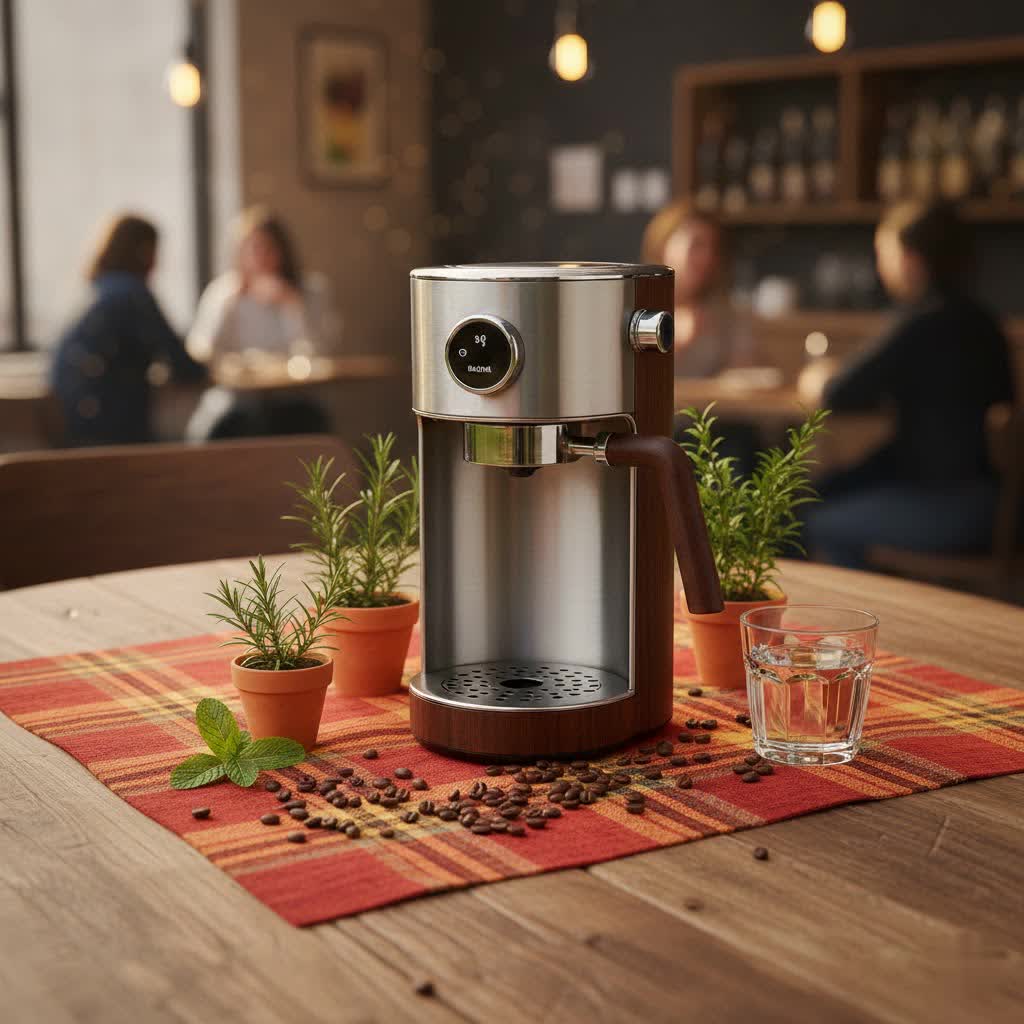
Popular Types of Coffee Makers Explained
The world of coffee makers offers a diverse range of brewing styles, each delivering a unique cup experience. Understanding the primary types and their characteristics is the first step to finding your perfect match. From hands-on craftsmanship to automated convenience, there’s a machine for every preference.
Espresso Machines are the heart of many coffee shops, renowned for producing concentrated shots of espresso that form the base for lattes, cappuccinos, and more. They come in several variations:
- Manual: Requires significant skill and effort, offering ultimate control to the barista.
- Semi-Automatic: Automates water delivery but leaves grind, tamp, and shot time to the user, balancing control with convenience.
- Automatic: Automatically doses water volume, ideal for consistency.
- Super-Automatic (Bean-to-Cup): Grinds beans, brews, and often froths milk with the touch of a button, perfect for high-volume settings or those seeking ultimate ease.
- Pros: Versatile for specialty drinks, rich flavor, crema.
- Cons: Can be expensive, requires maintenance, some types demand skill.
Drip Coffee Makers are a staple for many, offering a straightforward way to brew multiple cups of filter coffee. Hot water drips over ground coffee in a filter, collecting in a carafe below.
- Pros: Easy to use, good for large batches, generally affordable.
- Cons: Less control over brewing variables, can produce less intense flavors than espresso. Commercial drip brewers are designed for high volume and durability.
French Press machines use a full-immersion brewing method where coffee grounds steep directly in hot water before being pressed down by a plunger with a mesh filter.
- Pros: Produces a rich, full-bodied coffee with more sediment, simple operation.
- Cons: Manual process, requires coarser grind, cleaning can be messier.
Moka Pot is a stovetop brewer that uses pressure to force hot water through coffee grounds, producing a strong, espresso-like coffee.
- Pros: Compact, portable, produces strong coffee without an espresso machine.
- Cons: Requires stovetop, flavor can be more intense/bitter if not brewed carefully.
Pour Over Coffee Makers involve manually pouring hot water over coffee grounds in a cone-shaped filter, allowing for precise control over the saturation and extraction.
- Pros: Highlights subtle flavors, clean cup, allows for experimentation and customization.
- Cons: Manual, requires patience and specific technique (e.g., gooseneck kettle).
Single-Serve Pod Machines offer unparalleled convenience by brewing individual cups from pre-packaged capsules.
- Pros: Fast, easy cleanup, wide variety of drinks.
- Cons: Higher cost per cup, environmental concerns with pods, limited customization.
Cold Brew Systems steep coarsely ground coffee in cold water over an extended period (12-24 hours) to produce a smooth, low-acid coffee concentrate.
- Pros: Less acidic, smooth flavor, concentrate can be stored for days.
- Cons: Long brewing time, requires specific grind, large equipment for commercial use.
How to Buy a Coffee Maker: Key Factors to Consider
Choosing the ideal coffee maker involves more than just picking a type; it requires a thoughtful evaluation of your specific needs, budget, and desired features. By considering these factors, you can make an informed decision that ensures long-term satisfaction.
Budget
Coffee makers span a wide price range, from under $50 for basic drip models to several thousand dollars for high-end commercial espresso machines.
- Entry-Level (Under $100): Often includes basic drip machines, French presses, and Moka pots, suitable for casual home users.
- Mid-Range ($100-$500): Offers more advanced drip brewers, semi-automatic espresso machines, and some bean-to-cup models, providing a balance of features and performance for home enthusiasts.
- High-End ($500+ for home, $1000s+ for commercial): Features prosumer espresso machines, sophisticated bean-to-cup models, and robust commercial-grade equipment built for durability and advanced control.
Usage Needs
Your daily coffee habits dictate the most suitable machine. Consider how much coffee you typically consume and who else will be using the machine.
- Volume: For single users or small families, a small drip machine, French press, or single-serve brewer might suffice. High-volume environments like cafes require commercial-grade equipment capable of continuous brewing.
- Frequency: Daily heavy use warrants a durable machine, while occasional use might benefit from simpler, less costly options.
- Drink Preferences: If you primarily drink black coffee, a drip machine or pour-over is excellent. For milk-based espresso drinks, a machine with a steam wand or automatic frother is essential.
Key Features to Look For
Modern coffee makers come with an array of features that can enhance convenience and control.
- Built-in Grinder: Bean-to-cup machines offer the freshest possible grind before brewing, though a separate quality burr grinder is often recommended for ultimate control.
- Milk Frother: Essential for lattes and cappuccinos. Options include manual steam wands (requiring skill), automatic frothing systems, or separate milk frothers.
- Programmable Settings: Timer functions allow you to wake up to freshly brewed coffee. Adjustable brew strength and temperature control offer customization.
- Water Reservoir vs. Plumbed: Smaller machines have removable reservoirs. Commercial and high-end home machines often connect directly to a water line for continuous supply.
- Ease of Cleaning: Removable parts, self-cleaning cycles, and descaling indicators simplify maintenance.
Brand Reputation and Durability
Investing in a reputable brand often translates to better build quality, reliable performance, and readily available support and spare parts. Brands known for their commercial quality include La Marzocco, Nuova Simonelli, and Bunn, while popular home brands like Breville, DeLonghi, and Jura offer robust options. Durability is key, especially for machines intended for frequent use.
Space and Design
Consider the physical footprint of the machine and how it fits into your kitchen or cafe layout. Espresso machines can be bulky, while some drip models are more compact. A machine’s aesthetic can also be an important consideration, as it becomes a focal point in your coffee station.
Comparing Popular Coffee Maker Brands and Models
Navigating the vast market of coffee makers can be overwhelming. Here’s a comparison of some notable brands and the types of machines they excel in, offering insights into what sets them apart.
- La Marzocco (Commercial/Prosumer Espresso): Renowned for high-end, durable espresso machines like the Linea Mini or GS3. These are investment pieces, offering exceptional temperature stability, precise control, and robust performance for both professional cafes and serious home baristas. Expect premium pricing but unmatched quality and longevity.
- Nuova Simonelli (Commercial/Mid-Range Espresso): A solid choice for commercial settings, known for models like the Appia Life. They balance performance and value, often featuring volumetric dosing and good temperature stability. They are a reliable workhorse for medium to high-volume cafes.
- Bunn (Commercial Drip): A leader in commercial drip coffee makers, Bunn machines are built for speed and high volume, perfect for restaurants, diners, or offices. They prioritize efficiency and reliability, ensuring a consistent supply of hot coffee.
- Jura (Super-Automatic Espresso/Bean-to-Cup): Specializes in high-quality, fully automatic bean-to-cup machines for home and office use. Jura machines are known for their sleek design, user-friendliness, and ability to produce a wide range of specialty drinks at the touch of a button. They command a higher price point but offer immense convenience and quality.
- Breville (Home Espresso/Drip/All-in-One): Offers a broad range of well-designed prosumer home coffee makers, including semi-automatic espresso machines (like the Barista Express), drip brewers, and grinders. Breville is celebrated for integrating commercial features into more affordable, home-friendly packages, providing excellent value.
- DeLonghi (Home Espresso/Bean-to-Cup): Provides a wide selection from entry-level espresso machines to mid-range super-automatic models. DeLonghi often focuses on user-friendly interfaces and compact designs, making quality coffee accessible for everyday home use.
- Philips/Saeco (Home/Office Bean-to-Cup): Known for their reliable bean-to-cup machines that simplify the brewing process. Saeco, now part of Philips, has a long history in automatic espresso, offering convenience and consistent results.
Detailed Comparison Table (Illustrative Examples)
| Feature | Breville Barista Express | Jura ENA 8 | Bunn VPR | La Marzocco Linea Mini |
|---|---|---|---|---|
| Price Range | Mid-range Home ($600-$800) | High-end Home ($1500-$2000) | Commercial Drip (Mid-range) | Prosumer/Commercial (High-end $5000+) |
| Type | Semi-Automatic Espresso (integrated grinder) | Super-Automatic Espresso (Bean-to-Cup) | Pour-Over Drip (3-burner) | Semi-Automatic Espresso |
| Capacity | Single/Double Shot, 2L water tank | Single cup, 1.1L water tank | Multiple carafes, high volume | Single/Double Shot, 2.5L water tank |
| Special Features | Manual steam wand, adjustable grind, PID temp control | One-touch specialty drinks, automatic frother, smart app | Portable (no plumbing), keeps coffee warm | Dual boiler, rotary pump, precise temp control, robust build |
| Overall Rating | Excellent value for home baristas | Ultimate convenience, premium drinks | Reliable workhorse for cafes/offices | Professional-grade performance and durability |
Essential Tips for Coffee Maker Usage and Maintenance
Proper usage and regular maintenance are crucial for extending the lifespan of your coffee maker and ensuring every cup tastes its best. Neglecting these steps can lead to residue buildup, impaired performance, and ultimately, a less enjoyable coffee experience.
Daily Maintenance:
- Clean Group Heads and Portafilters: For espresso machines, backflush the group head and clean the portafilter after each use to remove coffee grounds and oils. Wipe down the shower screen.
- Purge and Wipe Steam Wand: Always purge steam before and after frothing milk, then immediately wipe the wand clean with a damp cloth to prevent milk residue from drying and clogging.
- Empty and Rinse Drip Tray/Carafe: Empty and rinse the drip tray daily to prevent mold and odors. For drip machines, rinse the carafe and filter basket with warm, soapy water.
Weekly/Monthly Deep Cleaning:
- Descaling: Mineral buildup from water (limescale) can clog internal components and affect heating. Descalsing should be done every 1-3 months, depending on water hardness. Use a commercial descaling solution or a vinegar-water mixture (check your machine’s manual).
- Deep Clean Removable Parts: Disassemble and thoroughly clean all removable parts with warm, soapy water. Ensure they are completely dry before reassembling. For grinders, remove and clean the burrs.
- Check Water Filtration Systems: If your machine has a water filter, check the pressure gauge and replace filters as recommended by the manufacturer (typically every 6-12 months) to maintain water quality and protect the machine.
General Best Practices:
- Use Filtered Water: High-quality, filtered water prevents mineral buildup and significantly improves coffee taste. Avoid distilled water, as coffee needs some mineral content for optimal extraction.
- Replace Worn Parts: Regularly inspect and replace gaskets, seals, and grinder burrs as they wear out. Gaskets might need replacing every 6-12 months, and burrs every few hundred kilograms of coffee.
- Professional Servicing: Even with diligent home maintenance, consider professional servicing annually, especially for commercial or high-end machines, to diagnose and address potential issues early.
- Avoid Overfilling: Do not overfill the water reservoir or coffee grounds basket, as this can lead to spills and affect brewing performance.
Crafting Delicious Coffee at Home: Simple Recipes and Tips
You don’t need to be a professional barista to brew an exceptional cup of coffee. With the right techniques and a good coffee maker, you can consistently enjoy delicious coffee at home. Here are some fundamental tips and simple “recipes” to get you started.
1. Start with Quality Beans:
The foundation of any great coffee is freshly roasted, whole beans. Buy beans from reputable roasters and consume them within a few weeks of the roast date. Store them in an airtight, opaque container at room temperature, away from light and moisture.
2. Grind Just Before Brewing:
This is perhaps the most impactful step. Coffee loses its aroma and flavor rapidly once ground. Invest in a good burr grinder (not a blade grinder) and grind your beans immediately before brewing. The grind size is crucial and varies by brewing method:
- Coarse: French Press, Cold Brew
- Medium-Coarse: Chemex (large pour over)
- Medium: Drip Coffee Makers
- Medium-Fine: AeroPress, V60 (small pour over)
- Fine: Espresso
3. Use Filtered Water at the Right Temperature:
Water makes up 98% of your coffee, so its quality matters. Use filtered water that is free of impurities but not distilled, as some minerals are necessary for flavor extraction. The ideal brewing temperature is between 195°F and 205°F (90°C-96°C). If using a kettle without temperature control, let boiling water sit for 30-60 seconds before pouring.
4. Master the Coffee-to-Water Ratio:
A common starting point is the “golden ratio” of 1:15 to 1:18 (coffee to water by weight). This means for every 1 gram of coffee, use 15-18 grams of water. For example, if you’re using 20 grams of coffee, you’d use 300-360 grams of water. Adjust this ratio to your personal strength preference. If you prefer weaker coffee, it’s better to brew strong and dilute with hot water or milk afterward.
5. Pre-Heat Your Equipment:
Before brewing, rinse your filter (if applicable) and pre-heat your mug or carafe with hot water. This prevents the brewing water from losing heat too quickly and ensures optimal extraction temperature throughout the process.
Simple Drip Coffee:
- Grind coffee to a medium consistency.
- Place filter in the basket, add ground coffee (e.g., 30g coffee for 500ml water).
- Add filtered water to the reservoir.
- Turn on the machine and enjoy.
Basic French Press:
- Grind coffee coarsely (e.g., 30g coffee).
- Add grounds to the French press.
- Pour 500ml hot water (200°F) over grounds, ensuring full saturation.
- Stir gently, place lid, and let steep for 4 minutes.
- Slowly press the plunger down. Serve immediately.
Where to Purchase Your Coffee Maker
Finding a reliable vendor is just as important as choosing the right machine. You have several options, each with its own advantages.
Online Retailers: Large e-commerce platforms offer a vast selection, competitive pricing, and convenient delivery. Look for reputable sellers with good return policies and customer reviews. Websites specializing in coffee equipment often provide detailed product information and expert reviews.
Specialty Coffee Equipment Stores: These stores, whether brick-and-mortar or online, are ideal for commercial or prosumer machines. They typically have knowledgeable staff who can offer personalized advice, installation services, and post-sale support. Brands like La Marzocco and Nuova Simonelli are often found through these specialized dealers.
Department Stores and Electronics Retailers: For home-use coffee makers, major department stores and electronics retailers carry popular brands like Breville, DeLonghi, and Philips. They offer the opportunity to see machines in person and compare features directly.
Direct from Manufacturer: Many high-end brands offer sales directly from their websites, sometimes including exclusive models or bundles. This can ensure authenticity and direct access to warranty and support.
Consider Refurbished Options: For commercial setups, reputable suppliers often offer refurbished machines that have been professionally restored. This can be a cost-effective way to acquire high-quality equipment. Always ensure the seller provides a warranty and a clear refurbishment process.
Detailed Coffee Maker Buying Guide: A Step-by-Step Approach
To make the best decision for your coffee maker purchase, follow these steps to narrow down your options and find the perfect fit.
Step 1: Define Your Coffee Needs and Budget
Start by clearly outlining your requirements. How much coffee will you brew daily? What types of drinks do you prefer? Is it for a home kitchen, a small office, or a busy cafe? Establish a realistic budget range, factoring in not just the machine’s cost but also potential accessories like grinders or water filters.
Step 2: Research Coffee Maker Types and Brands
Based on your needs, explore the various types of coffee makers. If you want espresso, research manual, semi-automatic, automatic, and super-automatic options. If drip coffee is your preference, look into automatic drip brewers, pour-overs, or French presses. Identify brands known for quality and reliability in your chosen category.
Step 3: Read Reviews and Compare Products
Once you have a shortlist, dive into detailed reviews from trusted sources and current users. Pay attention to feedback on performance, durability, ease of use, maintenance, and customer service. Use comparison tools to pit features, specifications, and prices of different models against each other.
Step 4: Assess Key Features and Specifications
Consider specific features crucial to your experience:
- Brewing Capacity: Does it meet your volume needs?
- Grinding Capability: Do you need a built-in grinder or a separate one?
- Milk Frothing: Is a manual steam wand or an automatic system preferred?
- Water Source: Reservoir or direct plumbed?
- Programmability: Do you need timers or customizable settings?
- Footprint: Will it fit comfortably in your designated space?
Step 5: Visit a Store or Browse Online Retailers
For home users, visiting a store allows you to see the machine size, feel its build quality, and ask questions. For commercial buyers, consulting with specialty equipment suppliers is invaluable. Online, utilize detailed product pages, customer reviews, and expert guides. Ensure the retailer has a clear warranty, return policy, and reliable shipping.
Step 6: Plan for Installation and Initial Setup
For more complex machines, especially commercial espresso makers, consider installation requirements (e.g., plumbing, electrical). Read the instruction manual thoroughly before the first use. Proper initial setup is vital for optimal performance from day one.
Conclusion
Choosing the perfect coffee maker is a pivotal step towards enjoying consistently delicious coffee, whether you’re serving patrons in a cafe or savoring a quiet moment at home. By understanding the different types of machines, diligently evaluating your needs, considering key features, and committing to proper maintenance, you can find a coffee maker that delivers exceptional results for years to come. Remember, the right machine is an investment in your daily ritual, transforming simple beans into an artful brew. What kind of coffee experience are you ready to unlock?
Frequently Asked Questions
What’s the best type of coffee maker for a small cafe?
|
Our Picks for the Best Coffee Maker in 2026
As an Amazon Associate I earn from qualifying purchases.
|
||
| Num | Product | Action |
|---|---|---|
| 1 | Keurig K-Express Single Serve Coffee Maker – Strong Brew Option, 42oz Reservoir, Sleek Design for Holiday Hosting & Gifting, Black |

|
| 2 | Cuisinart 14-Cup Coffee Maker, Programmable PerfecTemp Glass Carafe Coffee Machine with 1-4 Cup Setting, Brew Strength Control and Brew Pause, Stainless Steel, DCC-3200NAS |
|
| 3 | BLACK+DECKER 12-Cup Digital Coffee Maker, Programmable, Washable Basket Filter, Sneak-A-Cup, Auto Brew, Water Window, Keep Hot Plate, Black |
|
| 4 | Xeoca Commercial Coffee Urn, 100 Cup Coffee Maker and Hot Water Urn, 1500W Fast-Brewing Percolator for Business, Parties, Catering, and Large Gatherings (100 Cups) |
|
| 5 | Mueller 12-Cup Drip Coffee Maker - Borosilicate Carafe, Auto-Off, Reusable Filter, Anti-Drip, Keep-Warm Function, Clear Water Level Window Coffee Machine, Kitchen Essentials & Accessories |
|
| 6 | Veken French Press Coffee Maker 34oz,No Plastic Touching Cafe,Thickened Borosilicate Glass Stainless Steel Brewer,Cold Brew Cafetera Teapot for Kitchen Travel Camping,Gifts,Bar Accessories,Dark Pewter |
|
| 7 | Elite Gourmet EHC4128 Automatic 4-Cup Brew & Drip Coffee Maker with Pause N Serve, Glass Carafe, Reusable Filter, On/Off Switch, Keep Warm, Water Level Indicator, Black |
|
| 8 | Hamilton Beach 2-Way Programmable Coffee Maker, 12 Cup Glass Carafe And Single Serve Coffee Maker, Black with Stainless Steel Accents, 49980RG |
|
| 9 | Ninja 12-Cup Programmable Coffee Brewer, 2 Brew Styles, Adjustable Warm Plate, 60oz Water Reservoir, Delay Brew - Black/Stainless Steel |
|
| 10 | Newdehanm Pour Over Coffee Dripper & Filter, Reusable Paperless Clever Dripper Automatic Drip Coffee and Tea Maker with Immersion Extraction, BPA-Free, 21oz Home Brewing |
|
For a small cafe, a semi-automatic or automatic espresso machine is often ideal, balancing barista control with consistent output for specialty drinks. A commercial drip brewer might also be necessary for high-volume batch coffee, depending on your menu.
How often should I descale my home espresso machine?
You should descale your home espresso machine every 1 to 3 months, depending on the hardness of your water and how frequently you use it. Signs like slower brewing or unusual noises indicate it’s time to descale sooner.
Can I use tap water in my coffee maker?
While tap water can be used, filtered water is highly recommended. Filtered water improves the taste of your coffee and reduces mineral buildup (limescale) in your machine, which helps prolong its lifespan and maintain optimal performance.
Is an expensive grinder really necessary for good coffee?
Yes, a high-quality burr grinder is crucial. It ensures a consistent grind size, which is vital for proper extraction and flavor. A cheap blade grinder produces uneven particles, leading to inconsistent and often bitter or weak coffee.
What is the ideal water temperature for brewing coffee?
The ideal water temperature for brewing coffee is between 195°F and 205°F (90°C-96°C). Water that is too cold will under-extract the coffee, resulting in a sour taste, while water that is too hot can over-extract, leading to bitterness.
