Welcome, fellow coffee aficionados! As an admin at ReviewMyDC.com and a technician with over a decade of hands-on experience with countless coffee makers, from professional espresso machines to simple home drip models, I understand the heart of a perfect brew. Today, we’re diving deep into the world of drip coffee makers to help you find the absolute best one for your kitchen. Whether you’re a casual sipper or a dedicated connoisseur, selecting the right machine can transform your daily ritual into an extraordinary experience, delivering consistent flavor and unparalleled convenience.
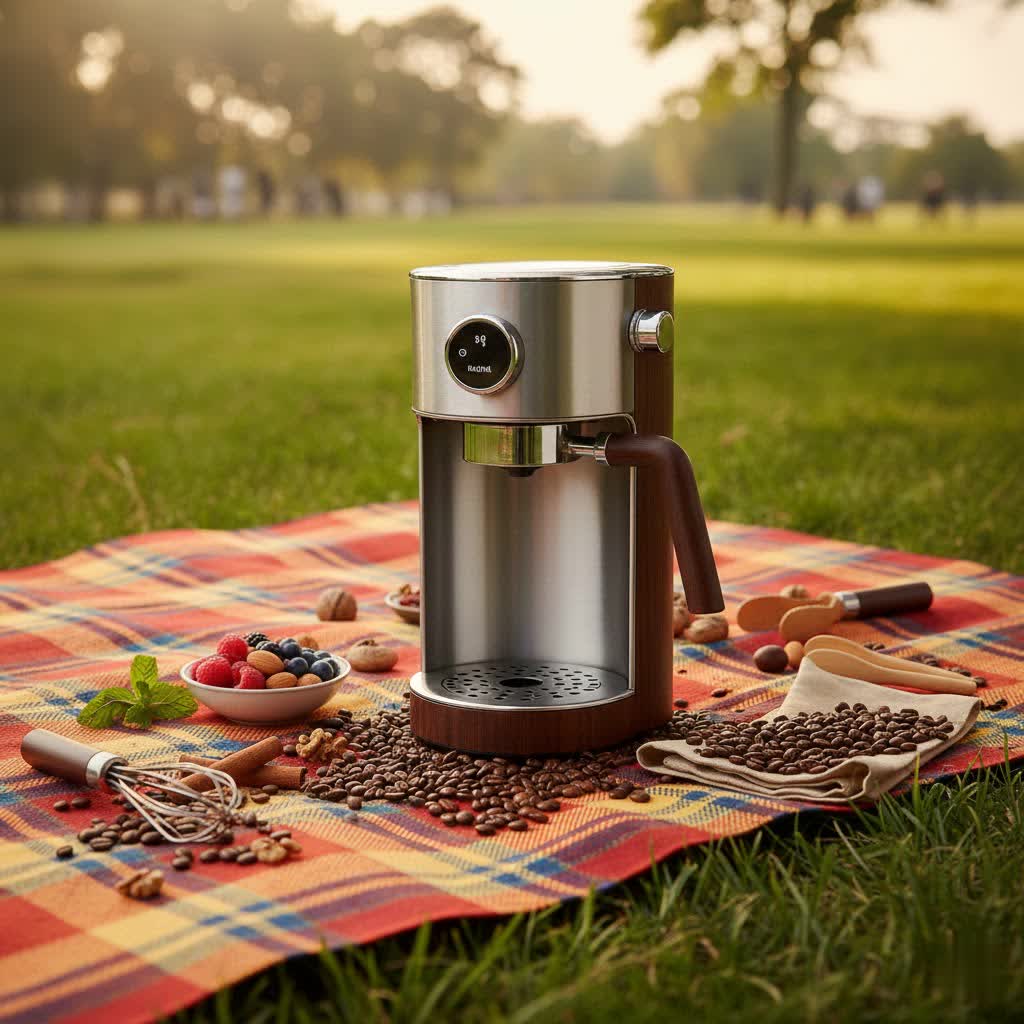
Types of Drip Coffee Makers: Finding Your Perfect Match
Drip coffee makers are the workhorses of the coffee world, known for their reliability and ease of use. But within this broad category, there’s a surprising variety designed to cater to different preferences and lifestyles.
Standard Automatic Drip Coffee Makers
|
Our Picks for the Best Coffee Maker in 2026
As an Amazon Associate I earn from qualifying purchases.
|
||
| Num | Product | Action |
|---|---|---|
| 1 | Cuisinart 14-Cup Coffee Maker, Programmable PerfecTemp Glass Carafe Coffee Machine with 1-4 Cup Setting, Brew Strength Control and Brew Pause, Stainless Steel, DCC-3200NAS |

|
| 2 | Veken French Press Coffee Maker 34oz,No Plastic Touching Cafe,Thickened Borosilicate Glass Stainless Steel Brewer,Cold Brew Cafetera Teapot for Kitchen Travel Camping,Gifts,Bar Accessories,Dark Pewter |
|
| 3 | Hamilton Beach 2-Way Programmable Coffee Maker, 12 Cup Glass Carafe And Single Serve Coffee Maker, Black with Stainless Steel Accents, 49980RG |
|
| 4 | Newdehanm Pour Over Coffee Dripper & Filter, Reusable Paperless Clever Dripper Automatic Drip Coffee and Tea Maker with Immersion Extraction, BPA-Free, 21oz Home Brewing |
|
| 5 | BLACK+DECKER 12-Cup Digital Coffee Maker, Programmable, Washable Basket Filter, Sneak-A-Cup, Auto Brew, Water Window, Keep Hot Plate, Black |
|
| 6 | Keurig K-Express Single Serve Coffee Maker – Strong Brew Option, 42oz Reservoir, Sleek Design for Holiday Hosting & Gifting, Black |
|
| 7 | Elite Gourmet EHC4128 Automatic 4-Cup Brew & Drip Coffee Maker with Pause N Serve, Glass Carafe, Reusable Filter, On/Off Switch, Keep Warm, Water Level Indicator, Black |
|
| 8 | Ninja 12-Cup Programmable Coffee Brewer, 2 Brew Styles, Adjustable Warm Plate, 60oz Water Reservoir, Delay Brew - Black/Stainless Steel |
|
| 9 | Mueller 12-Cup Drip Coffee Maker - Borosilicate Carafe, Auto-Off, Reusable Filter, Anti-Drip, Keep-Warm Function, Clear Water Level Window Coffee Machine, Kitchen Essentials & Accessories |
|
| 10 | Xeoca Commercial Coffee Urn, 100 Cup Coffee Maker and Hot Water Urn, 1500W Fast-Brewing Percolator for Business, Parties, Catering, and Large Gatherings (100 Cups) |
|
These are the most common and straightforward machines. You add water, grounds, press a button, and coffee brews. They are typically affordable and excellent for those who want a simple, no-fuss approach to their morning cup. Capacity usually ranges from 8 to 14 cups, making them ideal for households with multiple coffee drinkers or those who enjoy several cups throughout the day.
Programmable Drip Coffee Makers
Imagine waking up to the aroma of freshly brewed coffee, ready and waiting. Programmable models allow you to set a timer for your brew cycle in advance. This feature is a game-changer for busy mornings, ensuring your coffee is ready exactly when you need it without any extra effort. Many also come with automatic shut-off features for peace of mind.
Single-Serve Drip Coffee Makers
Perfect for individuals or small households where only one or two cups are needed at a time, these machines minimize waste and often offer quick brewing cycles. Some use pods, while others have reusable filters for your favorite ground coffee. They are usually more compact, saving valuable counter space.
Advanced Drip Coffee Makers with Special Features
This category encompasses machines that push the boundaries of drip brewing. They might include:
- Thermal Carates: Designed to keep coffee hot for hours without a warming plate, preventing the burnt taste often associated with glass carafes on prolonged heat.
- Built-in Grinders: For the freshest possible coffee, these machines grind whole beans just before brewing, offering superior flavor and aroma.
- Temperature and Strength Controls: Allowing you to customize your brew, from water temperature (crucial for optimal extraction) to coffee intensity.
- SCA Certification: Indicating that the machine meets the Specialty Coffee Association’s rigorous standards for brewing quality, including precise temperature control and even extraction.
- Smart Features: Some modern models integrate with smart home systems, offering app control or voice commands for ultimate convenience.
Choosing the right type depends on your daily habits, the number of coffee drinkers in your home, and how much customization you desire from your brewing process.
How Drip Coffee Makers Work: The Science of Your Morning Brew
At its core, a drip coffee maker employs a simple yet effective method to extract flavor from coffee grounds. First, water is poured into a reservoir and then heated to an optimal temperature, typically between 195°F and 205°F (90°C to 96°C) as recommended by the Specialty Coffee Association for ideal extraction. This precisely heated water is then dispersed evenly over the coffee grounds, usually through a showerhead mechanism. As the hot water passes through the grounds, it extracts soluble solids, oils, and aromatics, resulting in brewed coffee. Gravity then pulls this delicious liquid through a filter (paper or permanent mesh) and into a carafe below. Unlike espresso machines, which use pressure, drip coffee makers rely on gravity and precise temperature to produce a clean, balanced, and flavorful cup without bitterness.
Drip Coffee Maker Buying Guide: Key Factors to Consider
Selecting the Best Drip Coffee Maker can feel overwhelming with the myriad of options available. To make an informed decision, consider these crucial factors:
Budget
Your budget is often the first filter. Basic models can be found for under $50, offering straightforward functionality. Mid-range machines ($50-$200) introduce features like programmability, thermal carafes, and brew strength controls. High-end or “splurge” models ($200+) boast premium materials, precise temperature control (often SCA-certified), built-in grinders, and smart capabilities, delivering an exceptional brewing experience.
Usage Needs
- Capacity: How much coffee do you need? A single-serve machine is perfect for one person, while a 10-14 cup model suits families or entertaining.
- Frequency: Daily heavy use warrants a durable machine with consistent performance, while occasional use might allow for a simpler model.
- Preferred Coffee Type: If you love whole beans, a built-in grinder might be a priority. If convenience is key, pre-ground coffee or pods are an option.
Essential Features
- Programmability: For scheduled brewing.
- Temperature Control: Look for models that maintain water temperature between 195°F-205°F for optimal extraction. PID controllers are a plus for consistency.
- Brew Strength Control: Adjusts the steeping time or water flow for a milder or bolder cup.
- Carafe Type: Thermal carafes keep coffee hot for hours without a warming plate, preserving flavor. Glass carafes are cheaper and allow you to see the coffee level but can “cook” coffee if left on a hot plate too long.
- Automatic Shut-off: A safety feature that turns off the machine after a set period.
- Brew Pause Function: Allows you to pour a cup mid-brew without drips.
- Water Filtration System: Improves coffee taste by reducing impurities and can extend the life of your machine by reducing scale buildup.
- SCA Certification: A strong indicator of quality, ensuring the machine meets professional brewing standards.
Trusted Brands
Some brands consistently deliver quality and innovation in the drip coffee maker market. Names like Technivorm Moccamaster, Breville, Cuisinart, OXO, Fellow, and Ratio are often cited for their performance, durability, and user satisfaction. Researching these brands can guide you towards reliable choices.
Comparing Top Drip Coffee Makers: A Detailed Look
Let’s compare some of the most popular and highly-rated drip coffee makers on the market, considering their features, performance, and what makes them stand out.
| Feature | Technivorm Moccamaster KBGV Select | Breville Precision Brewer Thermal | Cuisinart 14-Cup Programmable | OXO Brew 8-Cup Coffee Maker | Fellow Aiden Precision Coffee Maker |
|---|---|---|---|---|---|
| Price Range | High ($300+) | Mid-High ($250-$350) | Mid ($100-$150) | Mid ($150-$200) | High ($300+) |
| Type of Machine | Standard Automatic Drip | Advanced Programmable Drip | Programmable Drip | Programmable Drip | Advanced Automatic Drip |
| Capacity | 10 Cups | 12 Cups | 14 Cups | 8 Cups | 10 Cups |
| Special Features | Copper heating element, 5-year warranty, SCA certified, easily replaceable parts, consistent temperature | Customizable brew settings (Gold, Fast, Strong, Over Ice, Cold Brew), pour-over adapter, SCA certified, precise temperature control | Programmable (24-hour), brew pause, adjustable keep-warm, charcoal water filter | SCA certified, thermal carafe, single-serve option, pre-infusion bloom, descaling indicator | SCA certified, precise temp control, simple interface, sleek design, thermal carafe |
| Carafe Type | Glass | Thermal | Glass | Thermal | Thermal |
| Overall Rating | Exceptional quality, durability, and consistent brewing; a long-term investment. | Highly versatile with extensive customization, great for enthusiasts who want control. | Excellent value, large capacity, reliable performance for everyday use. | Consistent, high-quality brew with thermal retention, good for smaller households. | Outstanding brew quality and elegant design; a premium choice for flavor purists. |
This comparison highlights that while some machines excel in simplicity and consistent quality (Moccamaster, Fellow Aiden), others offer extensive customization (Breville Precision Brewer) or large capacity at a great price (Cuisinart). Your “best” choice will align with your priorities.
Tips for Using and Maintaining Your Drip Coffee Maker
To ensure your drip coffee maker consistently delivers delicious coffee and stands the test of time, proper usage and regular maintenance are key.
Optimize Your Brew
- Use Quality Water: Filtered water is crucial. Tap water contains minerals and chlorine that can affect taste and lead to scale buildup.
- Grind Fresh, Grind Right: If possible, grind whole beans just before brewing. For drip coffee, a medium grind (like table salt) is ideal. Too fine, and your coffee might be over-extracted and bitter; too coarse, and it will be weak.
- Correct Coffee-to-Water Ratio: A common starting point is 1-2 tablespoons of ground coffee for every 6 ounces of water. Adjust to your taste preferences. The Specialty Coffee Association recommends 55 grams of coffee per liter of water.
Essential Cleaning and Maintenance
Regular cleaning prevents mineral buildup and coffee oil residue, which can negatively impact flavor and machine lifespan.
- Daily Rinse: After each use, empty the carafe and rinse it, the filter basket, and the lid with warm, soapy water. Leave compartments open to air dry.
- Weekly Deep Clean (Removable Parts): Hand-wash or use a dishwasher (if parts are dishwasher-safe) for all removable components to thoroughly remove coffee oils. Wipe down the exterior with a damp cloth.
- Monthly Descaling: Mineral buildup (limescale) from water can clog your machine’s internal components, slowing brew time and affecting temperature.
- Method: Fill the water reservoir with equal parts white distilled vinegar and water. Place a paper filter in the basket. Run a full brew cycle. Once complete, turn off the machine and let the vinegar solution sit in the carafe for 30-60 minutes to work its magic.
- Rinse Cycles: After soaking, discard the vinegar solution. Run 2-3 full cycles with fresh, clean water to flush out any remaining vinegar taste or smell. Repeat until the water runs clear and there’s no vinegar odor. Some machines have a dedicated “clean” cycle, which simplifies this process.
- Frequency: Descape every 1-3 months, depending on your water hardness and usage frequency. You’ll notice it’s needed if brewing slows down or your coffee tastes off.
Simple and Delicious Drip Coffee Recipes at Home
While a drip coffee maker excels at making a classic black coffee, you can easily elevate your home brewing with a few simple techniques and recipes.
The Perfect Standard Brew
- Prep: Fill your water reservoir with filtered water to your desired cup mark.
- Grind: Measure fresh, medium-ground coffee into a paper or reusable filter, following the 1-2 tablespoons per 6 oz of water ratio.
- Brew: Start your machine and wait for the magic to happen.
- Enjoy: Serve immediately for the best flavor.
Customizing Your Cup
- Adjust Brew Strength: If your machine has a strength setting, experiment with “bold” or “light” options. Alternatively, adjust the coffee-to-water ratio.
- Flavor Boosters: Add a pinch of cinnamon or cocoa powder to your coffee grounds before brewing for a subtle flavor infusion.
- Iced Coffee: Brew a stronger batch of coffee (use slightly more grounds) and pour it over ice. You can then add milk, syrup, or cream to taste. Many advanced drip makers even have a dedicated “over ice” setting.
Where to Buy Your Drip Coffee Maker
Finding a reputable seller is just as important as choosing the right machine. You have several options:
- Online Retailers: Websites like Amazon, Best Buy, and specialty coffee retailers (e.g., Seattle Coffee Gear, Whole Latte Love) offer vast selections, competitive pricing, and user reviews. Be sure to check return policies.
- Department Stores/Electronics Superstores: Stores like Macy’s, Target, and Best Buy often carry a good range of models, allowing you to see machines in person.
- Specialty Coffee Shops/Boutiques: Some local coffee shops or kitchenware boutiques might stock high-end, SCA-certified machines and can offer expert advice.
When buying online, always read recent customer reviews and verify the seller’s authenticity to avoid counterfeit or low-quality products.
Your Detailed Drip Coffee Maker Buying Journey
To guide you step-by-step through the decision-making process:
- Define Your Needs & Budget: Start by asking yourself: How many cups do I need daily? How much am I willing to spend? What features are non-negotiable (e.g., programmable, thermal carafe)?
- Research Types & Brands: Explore the different types of drip coffee makers and reputable brands. Read professional reviews and consumer feedback to understand performance and common issues.
- Compare Features & Models: Use comparison tables or review sites to pit your top choices against each other, focusing on the features most important to you (e.g., SCA certification, temperature control, capacity).
- Hands-On (If Possible): If buying from a physical store, feel the machine, check its build quality, and assess its footprint on your counter.
- Purchase & Read Manual: Once you’ve made your decision, purchase from a trusted retailer. Crucially, read the user manual before your first brew to understand specific cleaning instructions and optimal operation for your new machine.
Conclusion
The journey to finding the best drip coffee maker is a personal one, driven by your unique taste, lifestyle, and budget. From the robust, durable build of a Technivorm Moccamaster to the versatile customization of a Breville Precision Brewer, or the dependable performance of a Cuisinart, there’s a perfect machine waiting to elevate your coffee experience. By considering factors like capacity, carafe type, programmability, and consistent brewing temperature, and committing to regular maintenance, you’re well on your way to enjoying consistently delicious coffee at home.
What’s your favorite feature in a drip coffee maker, and how has it changed your morning routine?
Frequently Asked Questions
What is the ideal brewing temperature for drip coffee?
The Specialty Coffee Association (SCA) recommends an ideal brewing temperature between 195°F and 205°F (90°C to 96°C) for optimal flavor extraction. Machines that consistently maintain this range will produce a superior cup of coffee, free from under-extraction (sour taste) or over-extraction (bitter taste).
How often should I descale my drip coffee maker?
It’s generally recommended to descale your drip coffee maker every one to three months, depending on how often you use it and the hardness of your local water. If you notice a slower brew time or a change in coffee taste, it’s a good indication that descaling is needed.
Is a thermal carafe better than a glass carafe?
For maintaining coffee quality, a thermal carafe is generally superior. It keeps coffee hot for several hours without relying on a warming plate, which can “cook” and degrade the flavor of coffee over time. Glass carafes are often less expensive and allow you to see the coffee level but require a hot plate that can negatively impact taste if coffee sits too long.
What does SCA certification mean for a drip coffee maker?
SCA (Specialty Coffee Association) certification signifies that a drip coffee maker meets stringent standards for home brewing. This includes maintaining the ideal water temperature (195-205°F), achieving proper extraction, and completing the brew cycle within a specific timeframe, ensuring a consistently excellent cup of coffee.
Can I use pre-ground coffee in a drip coffee maker?
Yes, you can certainly use pre-ground coffee in a drip coffee maker. However, for the freshest and most flavorful coffee, grinding whole beans just before brewing is always recommended. Pre-ground coffee begins to lose its aroma and flavor much faster than whole beans.
What’s the best grind size for drip coffee?
The best grind size for drip coffee is a medium grind, similar in consistency to table salt. This allows for optimal extraction as water passes through the grounds. A grind that’s too fine can lead to over-extraction and bitterness, while a grind that’s too coarse can result in under-extraction and a weak, watery brew.
