Are you ready to transform your morning ritual into a pure, untainted coffee experience? Many coffee lovers are now seeking a plastic-free coffee maker to enhance flavor, protect their health, and support a more sustainable lifestyle. With over a decade of hands-on experience in coffee machine technology, I’ve seen countless models, and the shift towards non-toxic materials is one of the most significant and beneficial trends. This guide will walk you through everything you need to know to choose the perfect plastic-free option for your home.
Choosing a coffee maker free from plastic goes beyond mere aesthetics; it’s a conscious decision for your well-being and the planet. Traditional coffee makers often contain plastic components that, especially when exposed to heat, can leach harmful chemicals such as Bisphenol A (BPA), phthalates, and even microplastics into your daily cup. These substances have been linked to various health concerns, including hormonal imbalances, reproductive issues, and increased risk of certain diseases. By opting for materials like stainless steel, glass, and ceramic, you ensure a cleaner, safer, and more flavorful brew, free from unwanted chemical contamination. This commitment also significantly reduces plastic waste, contributing to a healthier environment.
The Popular Types of Plastic-Free Coffee Makers
When considering a plastic-free coffee maker, you’ll find a range of brewing methods that naturally minimize or eliminate plastic contact. Each offers a unique brewing experience and flavor profile, catering to different preferences and lifestyles.
Drip Coffee Makers
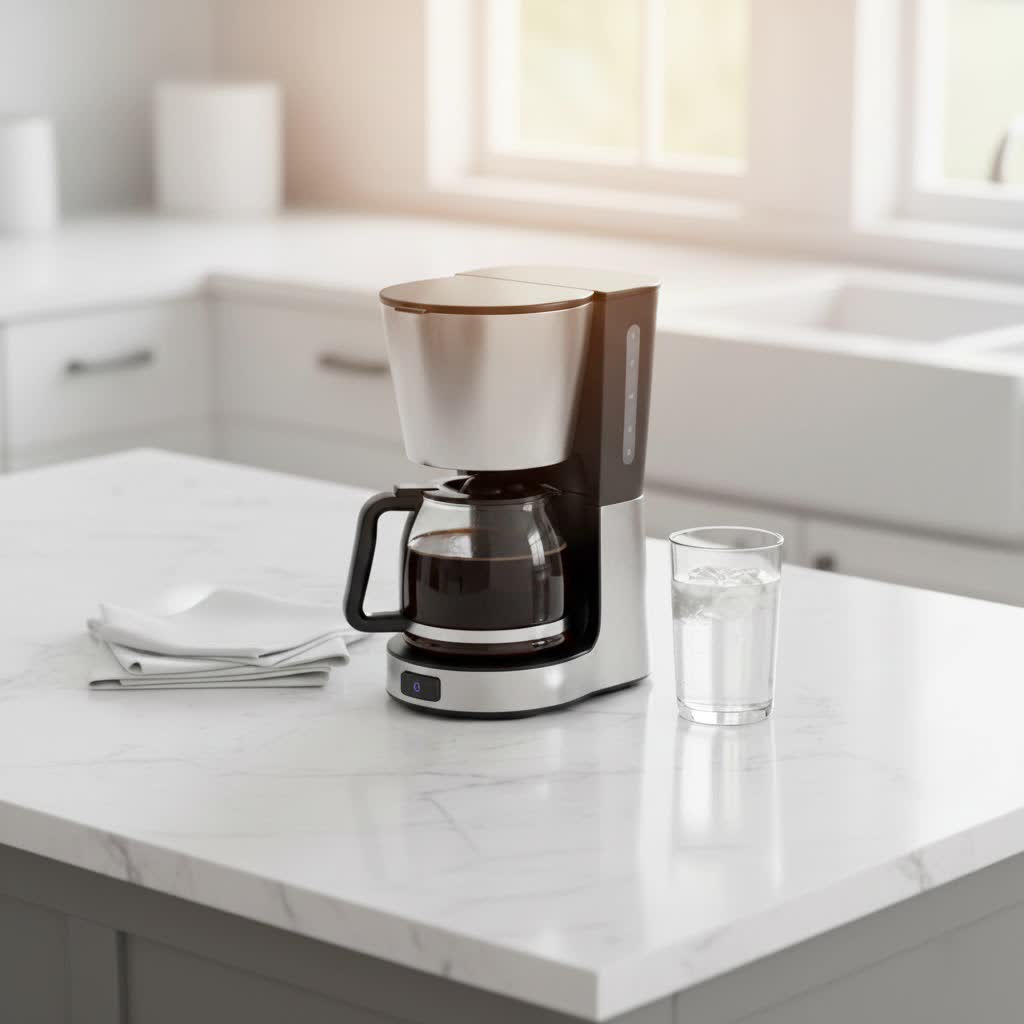
While truly 100% plastic-free automatic drip coffee makers are rare, some high-quality models significantly reduce plastic exposure where it matters most: the hot water pathway. These often feature stainless steel heating elements, glass water tubes, and carafes, with BPA-free plastics used only in non-heated, non-contact components. They offer convenience and consistent brewing for multiple cups.
- Pros: Automated, convenient for larger batches, consistent brewing temperature.
- Cons: Often the hardest type to find entirely plastic-free, higher price point for minimal-plastic models.
- Best for: Those who prioritize convenience and consistent drip coffee for several people but want to minimize plastic exposure.
|
Our Picks for the Best Coffee Maker in 2026
As an Amazon Associate I earn from qualifying purchases.
|
||
| Num | Product | Action |
|---|---|---|
| 1 | Newdehanm Pour Over Coffee Dripper & Filter, Reusable Paperless Clever Dripper Automatic Drip Coffee and Tea Maker with Immersion Extraction, BPA-Free, 21oz Home Brewing |

|
| 2 | Xeoca Commercial Coffee Urn, 100 Cup Coffee Maker and Hot Water Urn, 1500W Fast-Brewing Percolator for Business, Parties, Catering, and Large Gatherings (100 Cups) |
|
| 3 | Keurig K-Express Single Serve Coffee Maker – Strong Brew Option, 42oz Reservoir, Sleek Design for Holiday Hosting & Gifting, Black |
|
| 4 | Cuisinart 14-Cup Coffee Maker, Programmable PerfecTemp Glass Carafe Coffee Machine with 1-4 Cup Setting, Brew Strength Control and Brew Pause, Stainless Steel, DCC-3200NAS |
|
| 5 | Hamilton Beach 2-Way Programmable Coffee Maker, 12 Cup Glass Carafe And Single Serve Coffee Maker, Black with Stainless Steel Accents, 49980RG |
|
| 6 | Ninja 12-Cup Programmable Coffee Brewer, 2 Brew Styles, Adjustable Warm Plate, 60oz Water Reservoir, Delay Brew - Black/Stainless Steel |
|
| 7 | BLACK+DECKER 12-Cup Digital Coffee Maker, Programmable, Washable Basket Filter, Sneak-A-Cup, Auto Brew, Water Window, Keep Hot Plate, Black |
|
| 8 | Elite Gourmet EHC4128 Automatic 4-Cup Brew & Drip Coffee Maker with Pause N Serve, Glass Carafe, Reusable Filter, On/Off Switch, Keep Warm, Water Level Indicator, Black |
|
| 9 | Veken French Press Coffee Maker 34oz,No Plastic Touching Cafe,Thickened Borosilicate Glass Stainless Steel Brewer,Cold Brew Cafetera Teapot for Kitchen Travel Camping,Gifts,Bar Accessories,Dark Pewter |
|
| 10 | Mueller 12-Cup Drip Coffee Maker - Borosilicate Carafe, Auto-Off, Reusable Filter, Anti-Drip, Keep-Warm Function, Clear Water Level Window Coffee Machine, Kitchen Essentials & Accessories |
|
Espresso Machines
Finding a completely plastic-free espresso machine is exceptionally challenging due to the intricate internal mechanisms and high-pressure requirements. However, premium models exist that use stainless steel for heating elements and brewing paths, with only minor, non-metallic gaskets or seals made from BPA-free materials.
- Pros: Produces strong, concentrated espresso shots, often with integrated steam wands for milk.
- Cons: Very few truly plastic-free options, can be expensive, complex maintenance.
- Best for: Espresso enthusiasts willing to invest in high-quality machines that minimize plastic contact.
French Press
The French press is a beloved choice for its simplicity and the rich, full-bodied coffee it produces. Most models are inherently plastic-free, typically crafted from borosilicate glass carafes and stainless steel plungers. The immersion brewing method allows coffee grounds to steep directly in hot water, extracting a robust flavor without the need for paper filters.
- Pros: Simple to use, no paper filters required, produces full-bodied coffee, excellent for retaining natural coffee oils.
- Cons: Can leave some sediment in the cup, requires manual effort, doesn’t keep coffee hot for extended periods unless insulated.
- Best for: Coffee aficionados who enjoy a rich, strong brew and appreciate a hands-on approach.
Moka Pot (Stovetop Espresso Maker)
The Moka pot is a classic stovetop brewer that creates strong, espresso-like coffee using steam pressure. Traditional Moka pots are made from aluminum, but stainless steel versions are widely available, ensuring a completely plastic-free and non-toxic brewing process. They are durable, compact, and perfect for a robust coffee kick.
- Pros: Brews strong, concentrated coffee, compact and portable, durable stainless steel options available.
- Cons: Can be challenging to master for optimal flavor, requires stovetop heating.
- Best for: Those who love a potent, espresso-style coffee and appreciate a traditional brewing method.
Pour-Over
Pour-over brewing is an art form, allowing for incredible control over the brewing process and yielding a clean, nuanced cup of coffee. Devices like the Chemex, Hario V60, and Pure Over are typically made from borosilicate glass or ceramic, offering a 100% plastic-free contact with your brew. They often use paper filters, though reusable stainless steel or organic cotton filters are eco-friendly alternatives.
- Pros: Exceptional flavor clarity, full control over brewing variables, aesthetically pleasing.
- Cons: Requires precision and technique, usually brews smaller batches, often requires special filters.
- Best for: Enthusiasts seeking the purest flavor profile and who enjoy a meditative brewing process.
Percolator
Electric and stovetop percolators offer a classic brewing experience, continuously cycling hot water through coffee grounds until the desired strength is achieved. Many modern percolators are made entirely of stainless steel, including the internal components, making them excellent plastic-free choices. Electric models can even keep your coffee warm.
- Pros: Brews quickly, often keeps coffee hot, can brew larger quantities, durable stainless steel options.
- Cons: Can sometimes over-extract coffee if not monitored, flavor profile might not appeal to everyone.
- Best for: Those who prefer a traditional, bold cup of coffee and require larger batches with minimal fuss.
Essential Factors for Choosing a Plastic-Free Coffee Maker
Selecting the right plastic-free coffee maker requires careful consideration of several key elements. Your ultimate choice should align with your daily habits, taste preferences, and commitment to a non-toxic lifestyle.
Budget Considerations
Plastic-free coffee makers span a wide price range. Manual brewers like ceramic pour-overs or basic French presses can be quite affordable, often under $50. Mid-range options, such as quality stainless steel French presses or Moka pots, typically fall between $50 and $150. High-end, minimal-plastic automatic drip machines or premium espresso makers can cost several hundred dollars or more. Decide what you’re willing to invest, keeping in mind that durable, non-toxic materials often represent a long-term investment in both health and product longevity.
Usage Needs and Lifestyle
Consider how much coffee you drink and how frequently you brew.
- Single-serve vs. Batch brewing: If you brew for one, a pour-over or small French press is ideal. For families or entertaining, a larger French press, percolator, or a minimal-plastic drip machine might be more suitable.
- Daily routine: Do you prefer a quick, automated brew, or do you enjoy the ritual of manual preparation? Manual methods like pour-over or French press require more hands-on time, while electric percolators offer quicker results.
- Portability: If you travel or need a brewer for the office, a compact stainless steel French press or Moka pot could be perfect.
Key Features to Look For
- Materials: Prioritize borosilicate glass, food-grade stainless steel (18/8 or 304/316), and ceramic. Ensure that any plastic components, especially those in contact with hot water, are clearly labeled BPA-free and phthalate-free. Ideally, avoid plastic altogether in the brew path.
- Temperature control: Consistent water temperature (ideally between 195-205°F) is crucial for optimal extraction and flavor. Some electric drip machines excel here, while manual methods rely on your kettle.
- Filter type: Decide between paper filters (compostable, unbleached are best), reusable stainless steel mesh filters (for French presses, percolators, or some pour-overs), or organic cotton filters.
- Ease of cleaning: Dishwasher-safe components or simple designs that are easy to handwash will make maintenance much less of a chore.
- Durability and repairability: Look for robust construction and brands that offer replacement parts, ensuring your investment lasts for years.
Reputable Brands
Several brands are known for their commitment to quality and often offer plastic-free or minimal-plastic options.
- Chemex: Iconic for glass pour-over coffee makers.
- Hario: Offers a range of glass and ceramic pour-over drippers and accessories.
- Bialetti: Famous for Moka pots, with excellent stainless steel versions like the Venus.
- Frieling & Espro: Highly regarded for their durable stainless steel French presses.
- Technivorm Moccamaster: A gold standard for automatic drip machines with metal and glass brew paths and minimal BPA-free plastic.
- Presto & Farberware: Offer stainless steel electric percolators.
- Pure Over: Specializes in all-glass pour-over systems.
Comparing Notable Plastic-Free Coffee Maker Models
Let’s delve into a comparison of prominent plastic-free coffee maker types, highlighting their typical features, price points, and what makes each stand out.
| Feature | French Press (Stainless Steel/Glass) | Moka Pot (Stainless Steel) | Pour-Over (Glass/Ceramic) | Percolator (Electric Stainless Steel) | Minimal-Plastic Drip (e.g., Moccamaster) |
|---|---|---|---|---|---|
| Price Range | $30 – $150 | $40 – $100 | $20 – $100 (brewer only) | $50 – $120 | $300 – $400+ |
| Type of Brew | Rich, full-bodied immersion | Strong, espresso-like | Clean, nuanced, aromatic | Bold, traditional cycling | Balanced, consistent drip |
| Materials | Borosilicate glass, SS, silicone | Stainless steel, silicone | Borosilicate glass, ceramic, wood | Stainless steel | Aluminum, copper, glass, BPA-free plastic |
| Capacity | 1-8 cups | 2-10 espresso shots | 1-8 cups (with carafe) | 4-12 cups | 8-10 cups |
| Filter Needs | Integrated SS mesh filter | Integrated SS filter | Paper or reusable SS/cotton | Integrated SS basket | Paper filter |
| Key Advantage | Simplicity, rich flavor, no filters | Compact, strong coffee | Flavor clarity, control | Large batches, keeps warm, durable | Convenience, precise temp, minimal plastic in brew path |
| Considerations | Can have sediment, manual | Learning curve | Manual, requires technique | Can over-extract | Higher cost, not 100% plastic-free |
Usage and Maintenance Tips for Your Plastic-Free Coffee Maker
To ensure your plastic-free coffee maker delivers delicious brews for years to come and remains free from contaminants, proper usage and maintenance are essential.
Proper Usage
- Use filtered water: This not only improves the taste of your coffee but also prevents mineral buildup in your machine, especially crucial for electric models. Avoid leaving water in any reservoir overnight.
- Grind consistency: Match your grind size to your brewing method. Coarse for French press, medium for drip and percolators, fine-medium for Moka pots, and medium for pour-over. Using a quality grinder with stainless steel burrs (avoiding plastic hoppers) ensures a purer experience from bean to cup.
- Optimal temperature: For most brewing methods, water between 195°F and 205°F (90-96°C) is ideal for extraction. A good temperature-controlled kettle (stainless steel, of course) is an excellent companion.
- Preheating: Preheating your French press, pour-over dripper, or Moka pot with hot water before brewing can help maintain a stable temperature throughout the extraction process.
Cleaning and Care
- Daily rinse: After each use, rinse all components that came into contact with coffee grounds and oil. For glass and stainless steel, a quick wash with mild soap and hot water is usually sufficient.
- Regular deep cleaning: Depending on usage, deep clean your coffee maker weekly or bi-weekly. For French presses and Moka pots, disassemble all parts and scrub thoroughly. For pour-overs, ensure no residue remains in the crevices of ceramic or glass.
- Descaling electric machines: If you have a minimal-plastic drip machine or electric percolator, descale it every 1-3 months, especially if you have hard water. Use a natural descaling solution (like white vinegar and water) to remove mineral buildup, which can affect performance and taste.
- Avoid abrasive cleaners: Use soft sponges or brushes to prevent scratching the surfaces of glass or stainless steel.
Common Issues and Solutions
- Bitter coffee: Often a sign of over-extraction. Try a coarser grind, shorter brew time, or slightly lower water temperature.
- Weak coffee: Usually under-extraction. Try a finer grind, longer brew time, or hotter water. Ensure proper coffee-to-water ratio.
- Cloudy coffee (French Press): Could be due to too fine a grind or plunging too quickly. Use a coarser grind and plunge slowly and steadily.
- Slow drip (Pour-Over): Your grind might be too fine, clogging the filter. Adjust to a coarser grind.
Delicious Plastic-Free Coffee Recipes to Brew at Home
Embracing a plastic-free coffee maker opens up a world of pure, unadulterated coffee flavors. Here are a few simple recipes to get you started, focusing on highlighting the clean taste that comes from using non-toxic materials.
Classic French Press Perfection
This method brings out the full body and rich oils of your coffee.
- Ratio: Use a 1:15 coffee to water ratio (e.g., 30g coffee for 450ml water).
- Grind: Coarse, like sea salt.
- Process: Add grounds to your preheated French press. Pour hot water (200-205°F / 93-96°C) evenly over the grounds, ensuring full saturation. Let it bloom for 30 seconds, then stir gently.
- Steep: Place the lid on without plunging and steep for 4 minutes.
- Plunge: Slowly and steadily press the plunger down, separating the grounds.
- Serve: Immediately pour into a warmed mug to prevent over-extraction. Enjoy its smooth, deep flavor.
Elegant Pour-Over Experience
Perfect for a brighter, cleaner cup that highlights delicate notes.
- Ratio: A 1:16 ratio is a good starting point (e.g., 25g coffee for 400ml water).
- Grind: Medium, similar to table salt.
- Process: Place your paper or reusable stainless steel/cotton filter in your glass or ceramic pour-over dripper. Rinse the filter with hot water, then discard the rinse water. Add grounds.
- Bloom: Pour just enough hot water (200-205°F / 93-96°C) to saturate the grounds, let it bloom for 30-45 seconds.
- Pour: Slowly pour the remaining water in a steady, circular motion, aiming for a total brew time of 2.5 to 3.5 minutes.
- Serve: Enjoy the clean, aromatic profile.
Robust Stovetop Moka Pot Espresso
For a strong, concentrated coffee akin to espresso.
- Ratio: Fill the filter basket with finely ground coffee (medium-fine, finer than drip but coarser than true espresso), leveling without tamping. Fill the water reservoir with cold water just below the safety valve.
- Process: Screw the top and bottom chambers together tightly. Place on medium heat on your stovetop.
- Brew: Coffee will begin to gurgle and flow into the top chamber. Once it’s a steady stream and lightens in color, remove from heat.
- Serve: Pour carefully. This potent brew is excellent on its own or as a base for milk drinks.
Where to Purchase Reliable Plastic-Free Coffee Makers
Investing in a plastic-free coffee maker is a step towards a healthier and more sustainable lifestyle. Knowing where to find trustworthy options is crucial.
Retailers and Online Stores
You can find a variety of plastic-free coffee makers at:
- Specialty Coffee Shops/Stores: Often carry high-quality manual brewers like Chemex, Hario, and French presses.
- Department Stores & Home Goods Retailers: Larger chains sometimes stock stainless steel percolators or certain French press brands.
- Online Marketplaces: Websites like Amazon, Williams-Sonoma, and smaller eco-conscious online retailers (e.g., The Good Trade, Sustainable Jungle) offer a wide selection and often provide detailed product specifications and customer reviews.
- Manufacturer Websites: Buying directly from brands like Moccamaster, Frieling, or Bialetti ensures authenticity and direct customer support.
Tips for Buying Online
- Read reviews carefully: Look for mentions of materials, durability, and any plastic components (even if minimal).
- Check product specifications: Always verify that the materials listed are indeed stainless steel, glass, or ceramic, especially for parts that contact hot water.
- Look for certifications: While less common for plastic-free claims, some brands highlight BPA-free plastics or food-grade stainless steel.
- Understand return policies: In case the product doesn’t meet your expectations for being plastic-free.
- Prioritize reputable sellers: Stick to well-known retailers or brands with a transparent commitment to non-toxic materials.
Comprehensive Buying Guide: Your Step-by-Step Path
Ready to make the switch? Follow this detailed buying guide to confidently choose your ideal plastic-free coffee maker.
Step 1: Define Your Needs and Budget
Start by asking yourself:
- How many cups of coffee do I typically brew per day?
- Do I prefer an automated process or a hands-on brewing ritual?
- What kind of coffee flavor do I enjoy most (bold, clean, strong)?
- What’s my maximum budget for this investment?
Step 2: Research Plastic-Free Brewing Methods and Brands
Based on your needs, explore the types of plastic-free coffee makers detailed above (French press, pour-over, Moka pot, percolator, minimal-plastic drip). Look into specific brands known for their commitment to non-toxic materials. Read general reviews and expert opinions on these methods and brands to narrow down your choices.
Step 3: Evaluate Materials and Features
Once you have a few contenders, scrutinize their material composition.
- Prioritize: Ensure glass (preferably borosilicate), food-grade stainless steel (18/8 or 304/316), or ceramic are the primary materials, especially where water and coffee interact.
- Question “BPA-free”: Understand that “BPA-free” plastic may still contain other bisphenols or phthalates. Aim for minimal to no plastic contact with hot liquids.
- Consider filters: Plan for reusable stainless steel or organic cotton filters, or unbleached compostable paper filters.
- Assess convenience: Evaluate features like warming plates (for percolators/drip), insulation (for French presses), or ease of assembly/disassembly.
Step 4: Compare Products and Read Detailed Reviews
Look for specific product reviews focusing on plastic-free aspects. Pay attention to comments regarding taste purity, durability, and cleaning. Compare models side-by-side, weighing their pros and cons against your budget and lifestyle. Don’t hesitate to check manufacturer specifications for material breakdowns.
Step 5: Purchase from a Trusted Source
Whether online or in-store, buy from a retailer with a good reputation and transparent product information. Once your new plastic-free coffee maker arrives, take the time to thoroughly inspect it.
Step 6: Read the User Manual and Care Instructions
Before your first brew, familiarize yourself with the manufacturer’s specific instructions for assembly, use, and cleaning. Proper care from day one will ensure the longevity and performance of your new, healthier coffee maker.
Conclusion
Embracing a plastic-free coffee maker is a simple yet impactful step towards a healthier lifestyle and a greener planet. By choosing brewers made from durable, non-toxic materials like stainless steel, glass, and ceramic, you safeguard your health from leached chemicals and microplastics, while also enjoying a purer, more authentic coffee flavor. From the rich immersion of a French press to the precise elegance of a pour-over, or the robust kick of a Moka pot, there’s a perfect plastic-free option waiting to elevate your daily ritual.
Making an informed decision about your coffee maker ensures you’re investing in both your well-being and the planet. With so many excellent options available today, enjoying a delicious, chemical-free cup of coffee has never been easier or more rewarding. What kind of pure, unadulterated coffee experience will you brew next?
Frequently Asked Questions
Why should I choose a plastic-free coffee maker?
Choosing a plastic-free coffee maker helps you avoid harmful chemicals like BPA, BPS, phthalates, and microplastics that can leach from plastic components into your hot coffee. These chemicals are linked to various health issues, and eliminating them ensures a purer, healthier, and often better-tasting brew while also reducing your environmental footprint.
Are “BPA-free” coffee makers truly safe?
While “BPA-free” is a step in the right direction, it doesn’t guarantee complete safety. Many BPA-free plastics use similar chemicals like BPS or BPF, which can also be endocrine disruptors. For ultimate peace of mind, prioritize coffee makers made entirely from glass, stainless steel, or ceramic, especially for parts that contact hot water or coffee.
What are the best materials for a plastic-free coffee maker?
The best materials are food-grade stainless steel (like 18/8, 304, or 316), borosilicate glass, and ceramic. These materials are non-reactive, durable, and won’t leach chemicals or microplastics into your beverage. For certain seals or handles, look for high-quality, BPA-free silicone or natural wood.
Can I find an automatic drip coffee maker that is completely plastic-free?
Finding an entirely 100% plastic-free automatic drip coffee maker is very challenging due to internal components and seals. However, excellent options like the Technivorm Moccamaster or Aarke Drip Coffee Maker feature stainless steel heating elements, glass water paths, and BPA-free plastic used only in non-heated, non-contact areas, significantly minimizing exposure.
How do I maintain a plastic-free coffee maker to ensure longevity?
Regular cleaning is key. After each use, rinse components with hot water and mild soap. For electric machines, descale every 1-3 months with a natural solution like vinegar. Avoid abrasive scrubbers to protect surfaces. Using filtered water also helps prevent mineral buildup and improves coffee taste.
What are some popular plastic-free brewing methods?
Popular plastic-free brewing methods include the French press (glass or stainless steel), pour-over (glass or ceramic drippers like Chemex or Hario V60), Moka pots (stainless steel versions), and electric or stovetop percolators (all stainless steel). Each method offers a distinct coffee experience, from full-bodied to clean and aromatic.
