Do you ever find yourself gazing longingly at coffee shop menus, wishing you could recreate that perfect cup at home? For many, the morning ritual isn’t complete without a fragrant, invigorating brew. The good news is, achieving café-quality coffee at home is entirely possible, but navigating the vast landscape of coffee makers can feel overwhelming. From sleek espresso machines to simple drip brewers, selecting the best coffee maker for your unique lifestyle and palate requires a bit of insight. This comprehensive guide will demystify the options, highlight essential features, and help you make an informed decision to elevate your home brewing experience.
Popular Types of Coffee Makers Explained
The world of coffee brewing is diverse, offering a method for every taste and convenience level. Understanding the different types is the first step in finding your ideal machine.
-
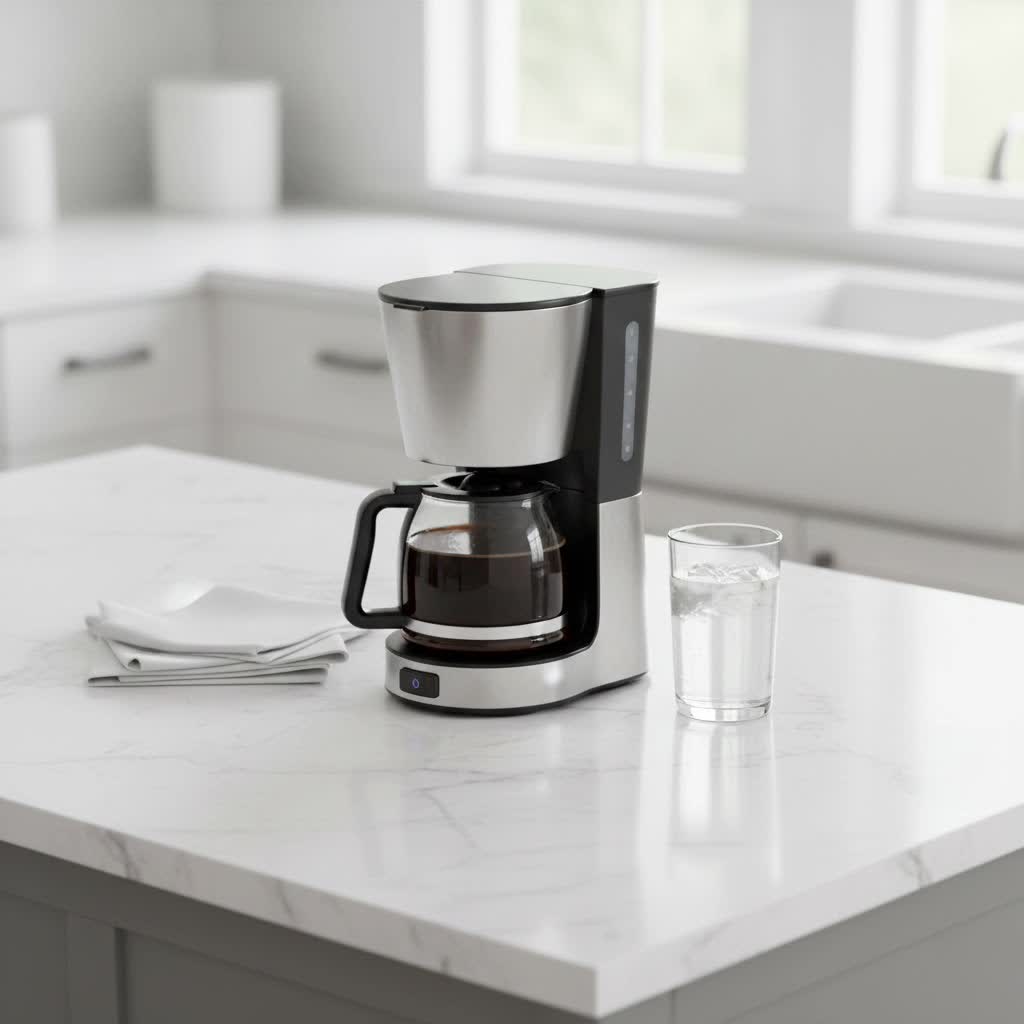
Drip Coffee Makers: These are perhaps the most common and user-friendly machines, ideal for brewing multiple cups. They work by dripping hot water over ground coffee held in a filter, yielding a clean, consistent pot.
- Pros: High capacity, often programmable, easy to use, consistent results.
- Cons: Less control over brewing variables, coffee can degrade if left on a hot plate, requires paper filters or a permanent one.
- Best for: Daily coffee drinkers, households needing multiple servings, those who value convenience.
-
Espresso Machines: For lovers of strong, concentrated coffee shots and milk-based beverages like lattes and cappuccinos, an espresso machine is essential. These machines force pressurized hot water through finely ground coffee.
- Pros: Produces rich, intense espresso shots, allows for creative milk drinks, ultimate control for enthusiasts.
- Cons: Can be expensive, requires a learning curve, often takes up more counter space.
- Types: Manual (lever-driven), Semi-Automatic (some control, but machine handles pressure), Super-Automatic (grinds beans, brews, and even froths milk at the touch of a button).
- Best for: Espresso purists, aficionados of milk-based coffee, those willing to invest time and money.
-
Single-Serve Coffee Makers (Pod/Capsule): Exemplified by brands like Keurig and Nespresso, these machines offer unparalleled speed and convenience by brewing one cup at a time using pre-packaged pods or capsules.
- Pros: Extremely fast, minimal cleanup, wide variety of drink options (coffee, tea, hot chocolate).
- Cons: Higher cost per cup, environmental waste from pods, limited customization, proprietary systems.
- Best for: Individuals, offices, those prioritizing speed and minimal fuss over nuanced flavor.
-
Pour-Over Coffee Makers: This manual method involves pouring hot water slowly and evenly over coffee grounds in a cone-shaped filter. It demands precision but rewards with a clean, bright cup that highlights the coffee’s subtle notes.
- Pros: Exceptional flavor clarity, full control over brew variables, simple design.
- Cons: Manual, time-consuming, requires additional accessories (kettle, scale).
- Best for: Coffee connoisseurs, those who enjoy the ritual of brewing, single servings.
-
French Press: A full immersion brewing method where coarsely ground coffee steeps in hot water before a plunger presses the grounds to the bottom. This results in a rich, full-bodied cup with some sediment.
- Pros: Robust flavor, full body, portable, no paper filters needed.
- Cons: Can have sediment, requires careful cleaning, coffee can over-extract if left too long.
- Best for: Those who prefer a bold, full-bodied coffee experience, travelers.
-
Moka Pot: A stovetop espresso maker that brews strong, espresso-like coffee through steam pressure. It’s a classic for many European households.
- Pros: Strong coffee, compact, affordable, no electricity needed.
- Cons: Can produce bitter coffee if not managed well, not true espresso.
- Best for: Strong coffee lovers, small kitchens, budget-conscious buyers.
-
Cold Brew Makers: These machines steep coffee grounds in cold water for an extended period (12-24 hours) to produce a concentrate. The result is a smooth, low-acidity coffee that can be served cold or hot.
- Pros: Exceptionally smooth and less acidic coffee, concentrate lasts for weeks, versatile.
- Cons: Very long brew time, requires planning.
- Best for: Iced coffee enthusiasts, those sensitive to acidity.
|
Our Picks for the Best Coffee Maker in 2026
As an Amazon Associate I earn from qualifying purchases.
|
||
| Num | Product | Action |
|---|---|---|
| 1 | BLACK+DECKER 12-Cup Digital Coffee Maker, Programmable, Washable Basket Filter, Sneak-A-Cup, Auto Brew, Water Window, Keep Hot Plate, Black |

|
| 2 | Cuisinart 14-Cup Coffee Maker, Programmable PerfecTemp Glass Carafe Coffee Machine with 1-4 Cup Setting, Brew Strength Control and Brew Pause, Stainless Steel, DCC-3200NAS |
|
| 3 | Ninja 12-Cup Programmable Coffee Brewer, 2 Brew Styles, Adjustable Warm Plate, 60oz Water Reservoir, Delay Brew - Black/Stainless Steel |
|
| 4 | Newdehanm Pour Over Coffee Dripper & Filter, Reusable Paperless Clever Dripper Automatic Drip Coffee and Tea Maker with Immersion Extraction, BPA-Free, 21oz Home Brewing |
|
| 5 | Veken French Press Coffee Maker 34oz,No Plastic Touching Cafe,Thickened Borosilicate Glass Stainless Steel Brewer,Cold Brew Cafetera Teapot for Kitchen Travel Camping,Gifts,Bar Accessories,Dark Pewter |
|
| 6 | Hamilton Beach 2-Way Programmable Coffee Maker, 12 Cup Glass Carafe And Single Serve Coffee Maker, Black with Stainless Steel Accents, 49980RG |
|
| 7 | Mueller 12-Cup Drip Coffee Maker - Borosilicate Carafe, Auto-Off, Reusable Filter, Anti-Drip, Keep-Warm Function, Clear Water Level Window Coffee Machine, Kitchen Essentials & Accessories |
|
| 8 | Keurig K-Express Single Serve Coffee Maker – Strong Brew Option, 42oz Reservoir, Sleek Design for Holiday Hosting & Gifting, Black |
|
| 9 | Xeoca Commercial Coffee Urn, 100 Cup Coffee Maker and Hot Water Urn, 1500W Fast-Brewing Percolator for Business, Parties, Catering, and Large Gatherings (100 Cups) |
|
| 10 | Elite Gourmet EHC4128 Automatic 4-Cup Brew & Drip Coffee Maker with Pause N Serve, Glass Carafe, Reusable Filter, On/Off Switch, Keep Warm, Water Level Indicator, Black |
|
Coffee Maker Buying Guide: Key Factors to Consider
Choosing the best coffee maker isn’t a one-size-fits-all decision. Your ideal machine will depend on several personal factors.
Budget
Coffee makers range significantly in price. You can find basic drip machines for under $50, while high-end super-automatic espresso machines can cost thousands.
- Under $100: Expect basic drip machines, French presses, Moka pots, and entry-level single-serve brewers. Features will be minimal but functional.
- $100 – $300: This range offers more advanced drip machines with programmability, thermal carafes, and better brew quality. You’ll also find quality pour-over setups and mid-range single-serve options.
- $300+: This category includes semi-automatic espresso machines, high-quality drip brewers like those certified by the Specialty Coffee Association (SCA), and models with integrated grinders. Super-automatic espresso machines start here and go upwards.
Usage Needs
Think about your daily coffee habits.
- Number of Users/Capacity: Do you brew for just yourself, a couple, or a whole family? Single-serve machines are perfect for one, while 8-14 cup drip coffee makers suit larger households. Check the water reservoir size to avoid constant refilling.
- Frequency: If you brew multiple times a day, durability and ease of use become paramount. Occasional brewers might prioritize simplicity and storage.
- Coffee Preference: Are you strictly a black coffee drinker, or do you crave lattes and cappuccinos? This will heavily influence whether you need an espresso machine with a steam wand or a simple drip brewer. If iced coffee is your go-to, consider a cold brew maker or a machine that brews over ice.
Essential Features
Modern coffee makers come packed with features designed to enhance your brewing experience.
- Brew Temperature Control: The Specialty Coffee Association (SCA) recommends brewing between 195°F and 205°F for optimal extraction. Machines with precise temperature control deliver consistently delicious results.
- Brew Strength Settings: Many machines offer options like “regular,” “bold,” or even “iced” settings to customize the intensity of your coffee.
- Carafe Type: Thermal carafes keep coffee hot for hours without a heating plate, preserving flavor by preventing it from burning. Glass carafes are often cheaper and allow you to see the coffee level, but typically sit on a hot plate that can scorch coffee over time.
- Built-in Grinder: For the freshest taste, grinding beans just before brewing is key. Some machines integrate a grinder, saving counter space and simplifying the process. However, dedicated grinders often offer more control over grind size.
- Milk Frother/Steam Wand: If you love milk-based drinks, this feature is non-negotiable. Steam wands offer manual control for microfoam, while automatic frothers provide push-button convenience.
- Programmability: Set a timer to wake up to freshly brewed coffee, or enjoy auto-shutoff for peace of mind. These small conveniences make a big difference in daily life.
- Ease of Cleaning: Look for removable, dishwasher-safe parts and descaling alerts to simplify maintenance and prolong your machine’s life.
Brand Reputation
Reliable brands often indicate quality and good customer support. Look for those frequently recommended by experts and users alike, such as Breville, OXO, Technivorm Moccamaster, Cuisinart, De’Longhi, Nespresso, Fellow, and Ninja.
Comparing Noteworthy Coffee Maker Models
To illustrate the diversity, let’s compare representative options across popular categories.
| Feature | Drip (e.g., Technivorm Moccamaster) | Espresso (e.g., Breville Bambino Plus) | Single-Serve (e.g., Nespresso Vertuo) |
|---|---|---|---|
| Price Range | Mid-High ($300-$350+) | Mid-High ($400-$700+) | Low-Mid ($100-$300) |
| Coffee Type | Filtered hot coffee | Espresso shots, milk-based drinks | Variety of coffee, espresso, tea pods |
| Capacity | 8-10 cups | 1-2 shots per brew | Single cup (5-18 oz) |
| Special Features | Precise temperature, fast brew, SCA certified | Fast heat-up, steam wand, precise extraction | Barcode scanning for optimal brew, wide pod selection |
| Overall Rating | Excellent brew quality, durable, consistent | Great entry-level semi-automatic, compact | Ultimate convenience, varied drink options, pod expense |
Tips for Using and Maintaining Your Coffee Maker
To ensure your coffee maker consistently delivers delicious results and enjoys a long lifespan, proper usage and maintenance are crucial.
-
Optimal Usage:
- Use Filtered Water: Tap water contains minerals that can affect taste and cause scale buildup. Filtered water significantly improves both coffee flavor and machine longevity.
- Grind Size Matters: Match your grind size to your brewing method. Coarse for French press, medium for drip, fine for espresso. Grinding fresh beans right before brewing yields the best flavor.
- The Golden Ratio: A common starting point is 1:15 or 1:16 (coffee to water ratio). For instance, 1 gram of coffee for every 15 grams of water. Adjust to your taste.
-
Regular Maintenance:
- Daily Rinsing: After each use, rinse the carafe, filter basket, and any removable parts. This prevents oil residue buildup.
- Wipe Down Exterior: Keep your machine clean with a damp cloth to prevent grime and stains.
- Descaling is Essential: Mineral deposits (limescale) from water can clog internal components and affect heating efficiency. Descale your machine every 1-3 months, depending on water hardness and usage. Use a descaling solution or a 1:1 mixture of white vinegar and water, following your manufacturer’s instructions.
- Clean Espresso Machine Components: For espresso machines, backflush regularly (if applicable), clean the portafilter and shower screen, and purge the steam wand after each use to prevent milk residue buildup.
Delicious Homemade Coffee Recipes
With your best coffee maker in hand, it’s time to experiment!
- Classic Drip Coffee: For a standard 8-cup brewer, use 40-50 grams (about 4-5 tablespoons) of medium-ground coffee for 1.2 liters (40 ounces) of filtered water. Adjust strength by altering the coffee amount.
- Simple Latte (with Espresso Machine): Pull one or two espresso shots. Steam 6-8 ounces of cold milk until it’s velvety with a thin layer of microfoam. Pour the steamed milk over the espresso, holding back the foam with a spoon, then spoon the foam on top.
- Easy Iced Coffee: Brew a stronger batch of drip coffee (use slightly more grounds than usual) or cold brew concentrate. Let it cool completely, then pour over ice. Add milk or sweetener to taste. For immediate iced coffee, brew directly over ice in a carafe (check if your machine has an “over ice” setting).
Where to Buy Your Next Coffee Maker
Finding a reputable seller is as important as choosing the right machine.
- Online Retailers: Websites like Amazon, Williams Sonoma, and the official manufacturer websites (e.g., Breville, Cuisinart) offer vast selections, competitive pricing, and often user reviews. Look for reliable return policies and warranties.
- Appliance Stores: Major electronics and home appliance stores (e.g., Best Buy, local specialty shops) allow you to see models in person, get expert advice, and sometimes participate in demonstrations.
- Specialty Coffee Stores: These shops often carry higher-end equipment and can provide personalized recommendations based on your preferences.
Buying Guide: Your Step-by-Step Path to the Perfect Coffee Maker
Ready to make a choice? Follow these steps to confidently select your best coffee maker.
- Assess Your Needs & Budget: Determine how many people you’re brewing for, your preferred coffee types (black, milk drinks, iced), and your maximum spending limit.
- Explore Coffee Maker Types: Based on your needs, narrow down the types of machines that align with your priorities (convenience, quality, control).
- Compare Features & Brands: Look for specific features like temperature control, carafe type, or a milk frother that are important to you. Research reputable brands known for quality in your chosen category.
- Read Reviews & Expert Opinions: Consult independent review sites and expert articles. Pay attention to feedback on brew quality, ease of use, and durability.
- Purchase from a Reputable Seller: Buy from stores or websites with clear warranty policies, good customer service, and secure payment options.
- Master Your Brew & Maintenance: Once you have your new machine, read the manual, experiment with grind sizes and ratios, and commit to regular cleaning and descaling for the ultimate coffee experience.
“The right coffee maker transforms a routine into a ritual. It’s not just about caffeine; it’s about craft and enjoyment.” – Emma Roberts, Certified Barista & Coffee Equipment Expert
Conclusion
Choosing the best coffee maker is a personal journey, blending your budget, lifestyle, and taste preferences. Whether you crave the rich crema of an espresso, the convenience of a single-serve pod, or the robust simplicity of a French press, there’s a perfect machine out there waiting to brew your ideal cup. By considering the different types, essential features, and maintenance tips, you’re now equipped to make a confident choice. Invest in a quality machine, explore new beans, and master your brewing technique – your morning routine will thank you. What coffee adventure will you embark on first?
Frequently Asked Questions
How often should I descale my coffee maker?
Most experts recommend descaling your coffee maker every 1 to 3 months, depending on how often you use it and the hardness of your water. If you notice slower brewing times or a change in taste, it’s probably time for a descale.
What’s the difference between a thermal and glass carafe?
A thermal carafe is insulated, keeping coffee hot for several hours without a heating element, which preserves flavor. A glass carafe typically sits on a hot plate, which can cause coffee to taste burnt or stale over time, though it allows you to see the coffee level easily.
Can I use ground coffee in a single-serve machine?
While most single-serve machines use proprietary pods, some models offer reusable filter cups that allow you to use your own ground coffee. This offers more flexibility and reduces waste, but might require a specific grind size for best results.
Is an expensive coffee maker always better?
Not necessarily. While higher-priced machines often offer more advanced features, better materials, and greater control, the “best” machine depends on your specific needs. A high-quality basic drip coffee maker might be perfect for someone who only drinks black coffee, even if it’s less expensive than a feature-rich espresso machine.
What’s the ideal water temperature for brewing coffee?
For optimal extraction and flavor, water should be between 195°F and 205°F (90°C and 96°C). Machines with precise temperature control often deliver superior results compared to those with less accurate heating elements.
