For coffee enthusiasts seeking a rich, full-bodied cup without the complexity of elaborate machines, the coffee press maker, commonly known as a French press, stands as an enduring favorite. This manual brewing method offers a direct, immersive experience, allowing the true character of your coffee beans to shine. But with countless models and techniques available, how do you choose the right one and master its use to consistently brew an exceptional cup? This comprehensive guide will navigate you through everything you need to know about coffee press makers, from selecting the ideal device to brewing and maintaining it like a seasoned barista.
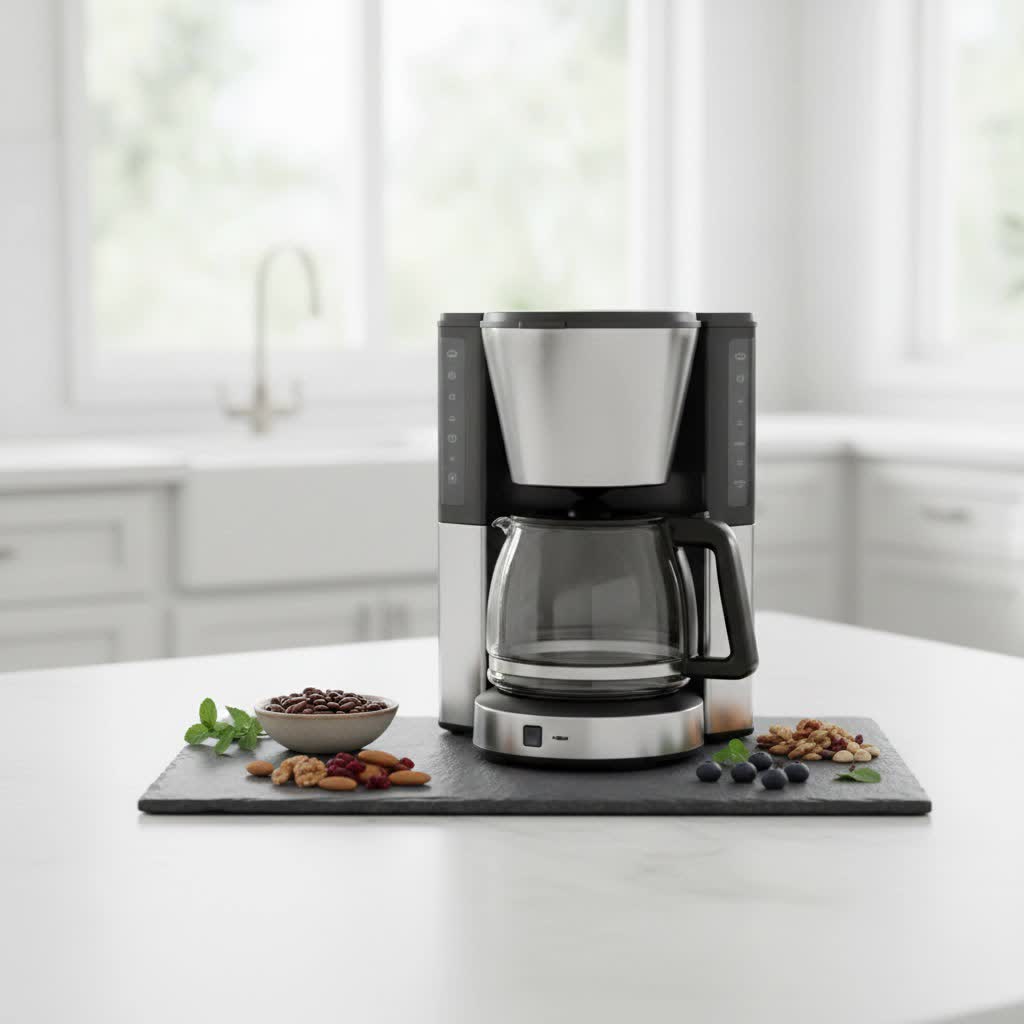
Popular Types of Coffee Press Makers
|
Our Picks for the Best Coffee Maker in 2026
As an Amazon Associate I earn from qualifying purchases.
|
||
| Num | Product | Action |
|---|---|---|
| 1 | Keurig K-Express Single Serve Coffee Maker – Strong Brew Option, 42oz Reservoir, Sleek Design for Holiday Hosting & Gifting, Black |

|
| 2 | Mueller 12-Cup Drip Coffee Maker - Borosilicate Carafe, Auto-Off, Reusable Filter, Anti-Drip, Keep-Warm Function, Clear Water Level Window Coffee Machine, Kitchen Essentials & Accessories |
|
| 3 | Xeoca Commercial Coffee Urn, 100 Cup Coffee Maker and Hot Water Urn, 1500W Fast-Brewing Percolator for Business, Parties, Catering, and Large Gatherings (100 Cups) |
|
| 4 | Cuisinart 14-Cup Coffee Maker, Programmable PerfecTemp Glass Carafe Coffee Machine with 1-4 Cup Setting, Brew Strength Control and Brew Pause, Stainless Steel, DCC-3200NAS |
|
| 5 | Veken French Press Coffee Maker 34oz,No Plastic Touching Cafe,Thickened Borosilicate Glass Stainless Steel Brewer,Cold Brew Cafetera Teapot for Kitchen Travel Camping,Gifts,Bar Accessories,Dark Pewter |
|
| 6 | BLACK+DECKER 12-Cup Digital Coffee Maker, Programmable, Washable Basket Filter, Sneak-A-Cup, Auto Brew, Water Window, Keep Hot Plate, Black |
|
| 7 | Ninja 12-Cup Programmable Coffee Brewer, 2 Brew Styles, Adjustable Warm Plate, 60oz Water Reservoir, Delay Brew - Black/Stainless Steel |
|
| 8 | Elite Gourmet EHC4128 Automatic 4-Cup Brew & Drip Coffee Maker with Pause N Serve, Glass Carafe, Reusable Filter, On/Off Switch, Keep Warm, Water Level Indicator, Black |
|
| 9 | Newdehanm Pour Over Coffee Dripper & Filter, Reusable Paperless Clever Dripper Automatic Drip Coffee and Tea Maker with Immersion Extraction, BPA-Free, 21oz Home Brewing |
|
| 10 | Hamilton Beach 2-Way Programmable Coffee Maker, 12 Cup Glass Carafe And Single Serve Coffee Maker, Black with Stainless Steel Accents, 49980RG |
|
Coffee press makers come in various designs, primarily differing in material and capacity, each offering distinct advantages for different users. Understanding these types is the first step toward finding your perfect brewing companion.
Glass French Presses
Often the most iconic and visually appealing, glass French presses allow you to observe the mesmerizing brewing process. They are generally the most affordable option, making them a great entry point for newcomers. However, glass is fragile and has poorer heat retention compared to other materials.
Stainless Steel French Presses
For those prioritizing durability and heat retention, stainless steel models are an excellent choice. Many feature double-walled insulation, keeping your coffee hot for longer periods. They are less prone to breakage, making them ideal for everyday use or travel. While typically more expensive, their longevity often justifies the investment.
Travel French Presses
Designed for on-the-go convenience, travel presses are compact, often made from durable stainless steel or BPA-free plastics, and include a built-in mug. They are perfect for camping, office use, or anyone who desires a fresh press coffee anywhere, anytime.
Essential Factors When Buying a Coffee Press Maker
Choosing the right coffee press maker involves more than just picking a pretty design. Several key factors should influence your decision to ensure it perfectly matches your brewing habits and preferences.
Budget
Coffee press makers range widely in price. Entry-level glass models are very affordable, while high-end stainless steel or specialized presses can be a significant investment. Determine how much you’re willing to spend, keeping in mind that higher prices often correlate with better durability, heat retention, and filtration features.
Capacity
Consider how much coffee you typically brew at once. French presses are available in various sizes, from single-serving (12 oz) to large family-sized (51 oz). Choose a capacity that aligns with your daily consumption to avoid brewing too much or too little.
Material and Durability
As discussed, glass offers aesthetics but is fragile, while stainless steel provides superior durability and heat retention. Some presses also incorporate ceramic or plastic elements. Evaluate your lifestyle: if you’re prone to accidents or need a travel-friendly option, a robust material like stainless steel might be best.
Filtration System
While most French presses use a standard mesh filter, some advanced models, like those from Espro, feature patented dual-layer micro-filters or even the option for paper filters. These systems significantly reduce the amount of sediment, or “grit,” in your cup, resulting in a cleaner, smoother brew. If a super clean cup is important to you, consider these enhanced filtration options.
Brand Reputation
Brands like Bodum are renowned for their classic designs and reliability, while others like Espro and Fellow are celebrated for innovative features and modern aesthetics. Researching reputable brands and reading user reviews can provide valuable insights into a maker’s performance and customer satisfaction.
Top Coffee Press Maker Brands and Models Compared
To help you navigate the market, here’s a comparative look at some notable coffee press makers, highlighting their key characteristics.
| Feature | Bodum Chambord | Frieling Double Wall | Espro P7 | Fellow Clara |
|---|---|---|---|---|
| Price (Approx.) | $30-$50 | $100-$160 | $120-$150 | $80-$100 |
| Type | Glass | Stainless Steel | Stainless Steel | Stainless Steel |
| Capacity | 12-51 oz | 17-44 oz | 18-32 oz | 24 oz |
| Special Features | Classic design, aesthetic | Double-wall insulation | Dual-layer micro-filter | Non-stick interior, agitation lid |
| Overall Rating | Excellent value, iconic | Superior heat retention | Grit-free coffee | Premium design, thoughtful features |
Mastering Your Coffee Press: Usage and Maintenance Tips
The art of brewing with a coffee press maker is simple yet nuanced. Achieving the perfect cup consistently requires attention to detail, from the grind size to cleaning.
Brewing the Perfect Cup: A Step-by-Step Guide
- Preheat Your Press: Rinse the carafe with hot water. This helps maintain water temperature during brewing for optimal extraction.
- Grind Your Beans: Use freshly ground, coarse coffee. This is crucial to prevent over-extraction and excessive sediment. The consistency should resemble sea salt.
- Add Coffee Grounds: A common ratio is 1:16 coffee-to-water, meaning one ounce (about six tablespoons) of coffee for every 16 ounces of water, or two tablespoons per six fluid ounces. Adjust to your taste.
- Heat Your Water: Bring fresh water to a boil, then let it cool for about 30 seconds to reach the ideal temperature of 195-205°F (90-96°C). Water that’s too hot can scorch the coffee, while water that’s too cool results in under-extraction.
- Pour and Saturate: Pour about half of the hot water over the grounds, ensuring they are fully saturated.
- Stir Gently: After one minute, use a non-metal spoon to gently break the “crust” of grounds that forms on top and stir to ensure even extraction.
- Add Remaining Water & Steep: Pour in the rest of the hot water. Place the lid on the press with the plunger pulled all the way up. Let it steep for 3-5 minutes. Four minutes is often a sweet spot for a balanced brew, but experiment to find your preferred strength.
- Press Slowly: Gently and slowly press the plunger down, separating the grounds from the brewed coffee. If it’s difficult to press, your grind might be too fine; if it plunges too easily, it might be too coarse.
- Serve Immediately: Pour your coffee into mugs right away to prevent over-extraction and bitterness from continued contact with the grounds.
Grind Size and Coffee Selection
A coarse, even grind is paramount for French press brewing. Fine grounds will lead to a bitter, over-extracted cup and can clog the filter, making it hard to plunge. For the best flavor, always opt for whole beans and grind them just before brewing. Medium to dark roasts are generally recommended, as their robust flavors and oils are beautifully enhanced by the immersion brewing method. Coffees with nutty, chocolatey, or earthy profiles often shine in a French press.
Water Temperature and Ratio
Precise water temperature is vital. Water between 195-205°F extracts flavors efficiently without burning the coffee. The coffee-to-water ratio is also a matter of personal preference, but starting with a 1:16 ratio and adjusting from there is a good practice.
Cleaning and Care for Longevity
Regular cleaning is essential to maintain the quality of your coffee and the lifespan of your press.
- Discard Grounds: Once your press has cooled, carefully scoop out the used coffee grounds with a spatula or your hand. Avoid dumping them down the sink, as they can cause clogs. Compost them if possible.
- Disassemble: Separate all components: the lid, plunger rod, and filter screens.
- Rinse and Wash: Rinse all parts under hot running water. Use a soft sponge or bottle brush with mild dish soap to thoroughly clean each piece, especially the mesh filter where oils and fine particles can accumulate. Some purists prefer using only hot water or a baking soda solution to avoid any soap residue affecting flavor.
- Deep Clean (Weekly): For hard water buildup or a deeper clean, soak the disassembled metal parts in a solution of equal parts hot water and white vinegar for 30 minutes, then scrub and rinse.
- Dry Thoroughly: Allow all parts to air dry completely or wipe them with a lint-free towel before reassembling. This prevents mold and ensures your press is ready for its next use.
“A French press brews a full-bodied coffee, allowing all the nuanced oils and flavors of the bean to flourish. The key is in the coarse grind and careful timing.” – John Davis, Master Roaster
Delicious Coffee Press Recipes to Try at Home
Beyond the classic hot brew, your coffee press maker is a versatile tool for various delightful coffee creations.
Classic French Press Coffee
Follow the steps above for a consistently rich and aromatic hot coffee. This method highlights the inherent flavors of your chosen beans, offering a robust and satisfying experience.
Cold Brew Concentrate
For a smooth, low-acidity coffee, your French press is perfect for cold brew.
- Add coarsely ground coffee to your press (a 1:4 coffee-to-water ratio is a good start for concentrate).
- Pour cold, filtered water over the grounds.
- Stir gently to ensure all grounds are saturated.
- Cover and steep in the refrigerator for 12-24 hours.
- Slowly plunge, then dilute the concentrate with water, milk, or ice to taste.
Flavored Coffee Press Creations
Experiment by adding flavor elements to your press alongside the coffee grounds. Try a cinnamon stick, a few cardamom pods, a dash of vanilla extract, or even orange zest for unique twists on your morning cup.
Mua Máy Pha Cà Phê Ở Đâu Uy Tín?
When you’re ready to invest in a coffee press maker, knowing where to buy ensures you get a quality product.
Online Retailers
Major online marketplaces offer a vast selection from various brands, often with competitive pricing and customer reviews. Manufacturer websites can also provide direct sales and detailed product information.
Specialty Coffee Shops and Appliance Stores
Local coffee shops that sell brewing equipment can offer expert advice and allow you to see and feel the products firsthand. Larger appliance or kitchenware stores also carry a range of French press makers.
Tips for Online Shopping
Always read product descriptions carefully, check customer reviews for insights into durability and performance, and compare prices across different platforms. Ensure the seller has a clear return policy in case the product doesn’t meet your expectations.
Detailed Coffee Press Maker Buying Guide: A Step-by-Step Approach
Making an informed decision on your coffee press maker involves a systematic approach to ensure satisfaction.
Step 1: Define Your Needs and Budget
Consider how often you’ll use it, for how many people, and what type of coffee experience you crave (e.g., strong, clean, quick). Set a realistic budget range.
Step 2: Research Types and Features
Explore the different materials (glass, stainless steel) and capacities available. Decide if advanced features like dual-filtration or insulated walls are important to you.
Step 3: Read Reviews and Compare Models
Consult reputable review sites and user testimonials. Compare specific models based on durability, ease of use, cleaning, and the quality of coffee they produce. Pay attention to feedback regarding grit levels and heat retention.
Step 4: Make Your Purchase
Once you’ve narrowed down your choices, purchase from a trusted retailer. If buying online, double-check the seller’s reputation and return policy.
Step 5: Follow Initial Setup and Care Instructions
Upon receiving your new coffee press, always read the manufacturer’s instructions for initial cleaning and proper usage. This ensures longevity and the best possible first brew.
Conclusion
The coffee press maker offers an unparalleled opportunity to engage with your coffee, producing a brew that is intensely aromatic, rich, and full of character. By understanding the different types, carefully considering your needs, and mastering the simple art of its use and maintenance, you can consistently craft exceptional coffee that elevates your daily routine. Whether you’re a seasoned connoisseur or just beginning your coffee journey, the French press is a testament to the idea that sometimes, the simplest methods yield the most profound pleasures. What will your next perfect cup reveal?
Frequently Asked Questions
What is the ideal grind size for a coffee press maker?
The ideal grind size for a coffee press maker is coarse, resembling sea salt or breadcrumbs. A coarse grind prevents coffee grounds from passing through the mesh filter and ensures proper extraction, avoiding bitterness and a gritty texture in your final cup. Fine grinds can lead to over-extraction and make the plunger difficult to press.
How does a coffee press differ from a drip coffee maker?
A coffee press uses full immersion brewing, where coffee grounds steep entirely in hot water, resulting in a bold, full-bodied coffee with more oils and fine sediment due to its metal filter. In contrast, a drip coffee maker uses percolation, dripping hot water over grounds filtered through paper, producing a cleaner, lighter-bodied cup with less sediment and oils.
How long should coffee steep in a French press?
Most experts recommend steeping coffee in a French press for 3 to 5 minutes. Four minutes is often considered the optimal time for a balanced brew, extracting robust flavors without becoming overly bitter. You can adjust the steeping time based on your personal preference for strength and intensity.
Can I use pre-ground coffee in a French press?
While you can use pre-ground coffee in a French press, it’s generally not recommended for the best results. Pre-ground coffee is often too fine for a French press, leading to over-extraction, bitterness, and a gritty cup. If you must use pre-ground, look for brands specifically labeled for French press or coarse grind. Freshly grinding whole beans just before brewing offers superior flavor.
How often should I clean my coffee press maker?
For optimal taste and hygiene, it is recommended to clean your coffee press maker after every use. A daily clean involves discarding grounds, rinsing parts, and washing with mild soap. A weekly deep clean, including disassembling the plunger and using a vinegar or baking soda solution, helps prevent residue buildup and ensures the longevity of your press.
